







The Foundation of a Good Design: Layout Comes First
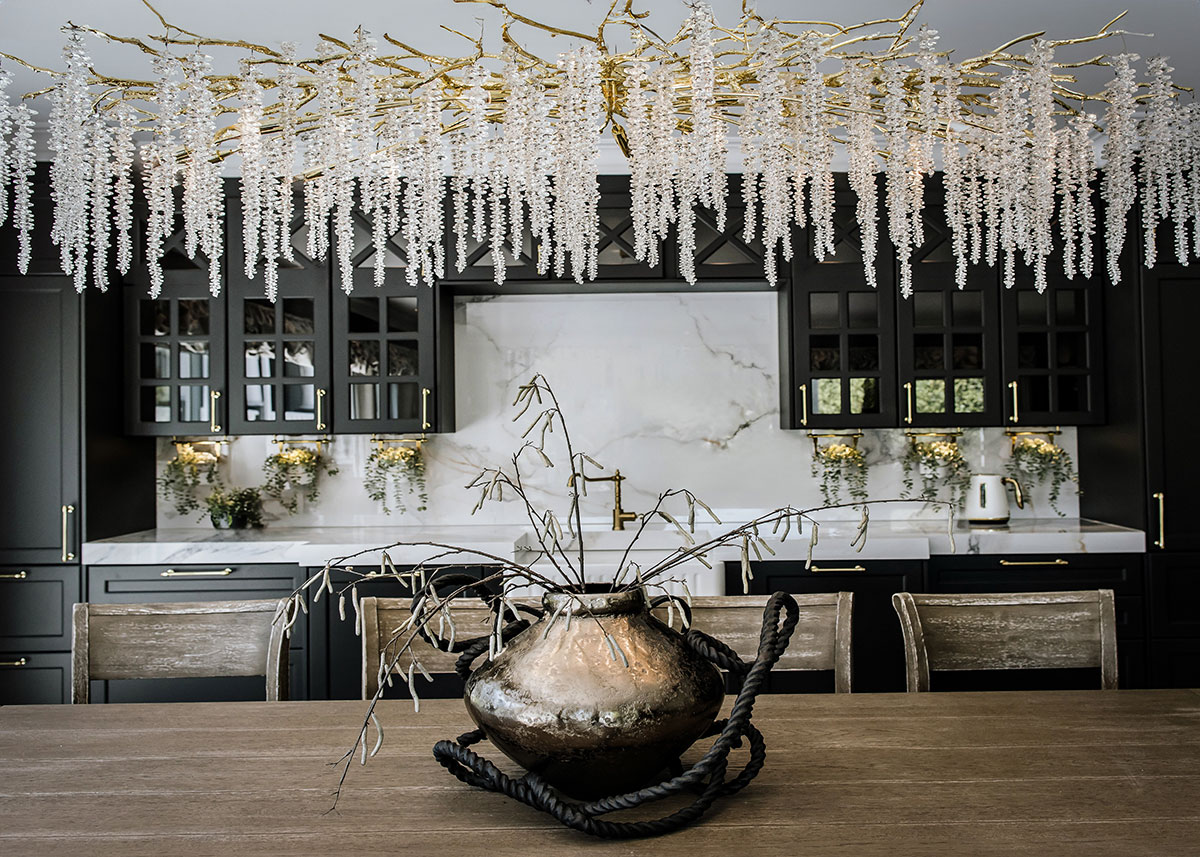
In design, style is often what captures attention first. It is what people notice in photographs, what defines trends, and what initially shapes the identity of a space. However, beyond the surface, it is the layout that determines whether that space truly works.
A well-designed interior is not defined by how it looks in a single moment, but by how it performs over time. Layout forms the foundation of that performance. It influences movement, functionality, comfort, and the overall experience of living within a space. Without a resolved layout, even the most visually refined interiors can feel disjointed, impractical, or difficult to live in.
Understanding the importance of layout shifts the focus from decoration to intention. It ensures that every design decision is supported by a clear spatial strategy rather than being applied purely for visual effect.
1. Layout Defines How a Space Functions
Before materials, colours, or furniture are introduced, a space must first function correctly. Layout determines how different areas are used, how they connect, and how efficiently they support daily activities.
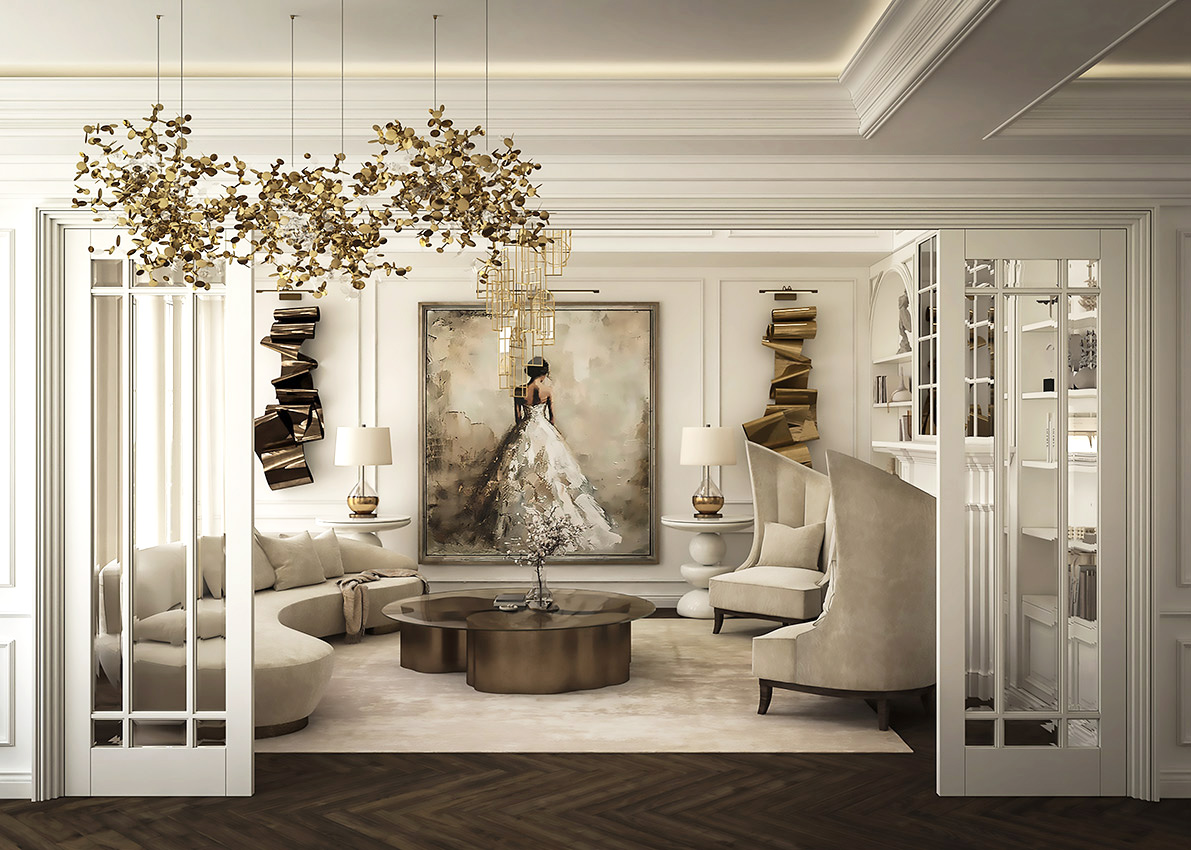
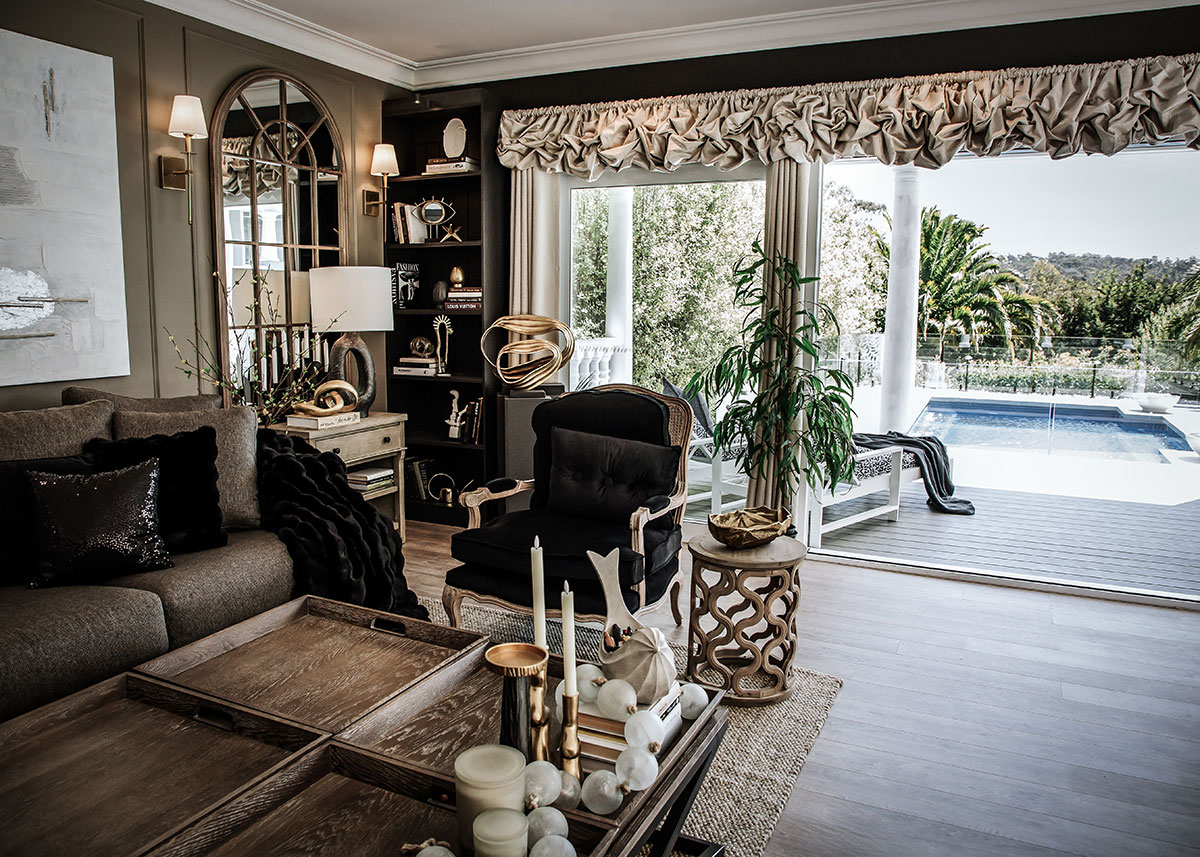
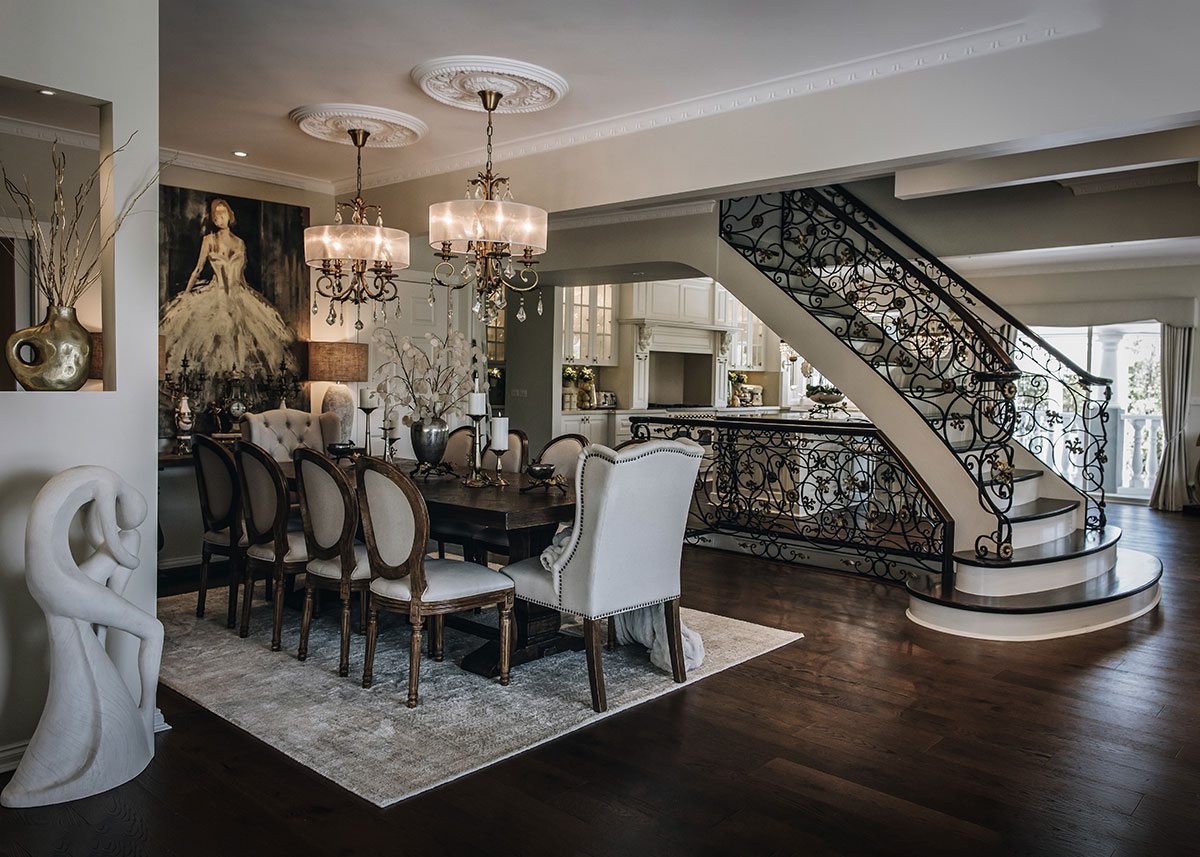
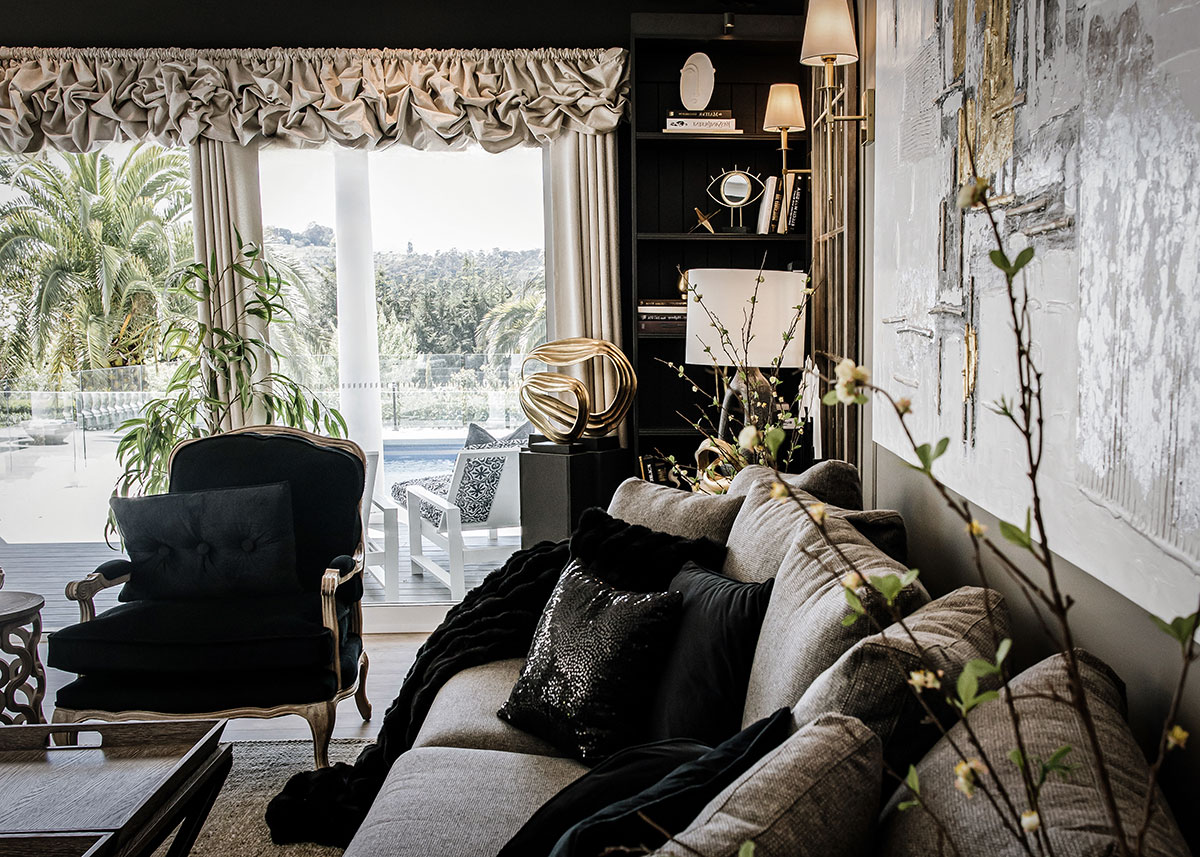
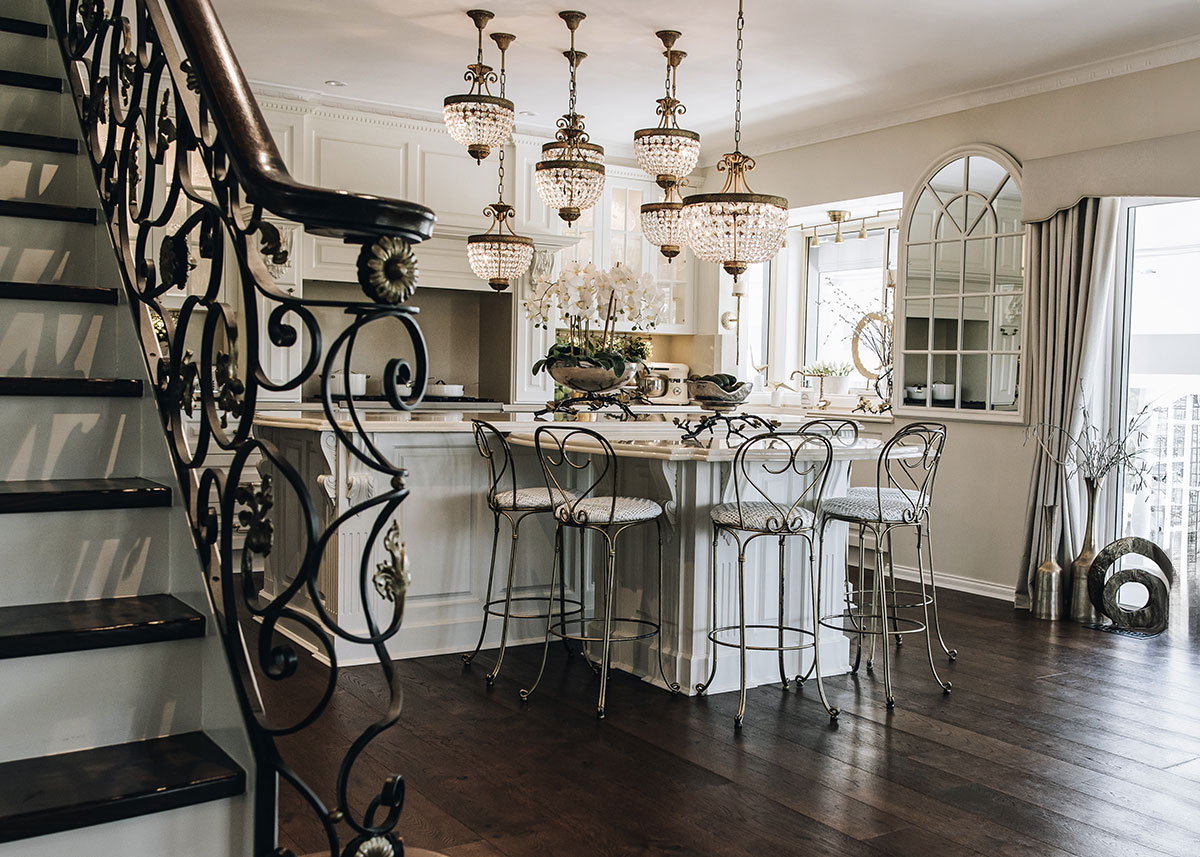
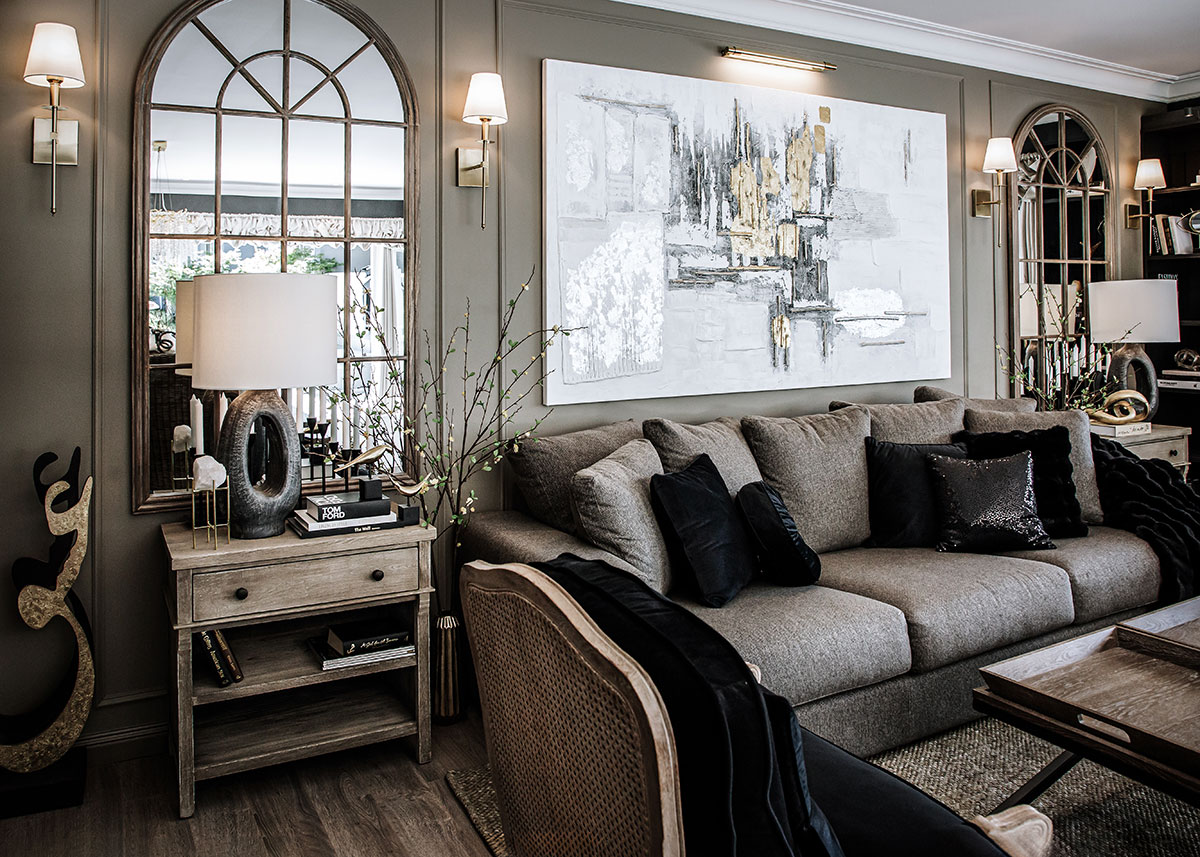
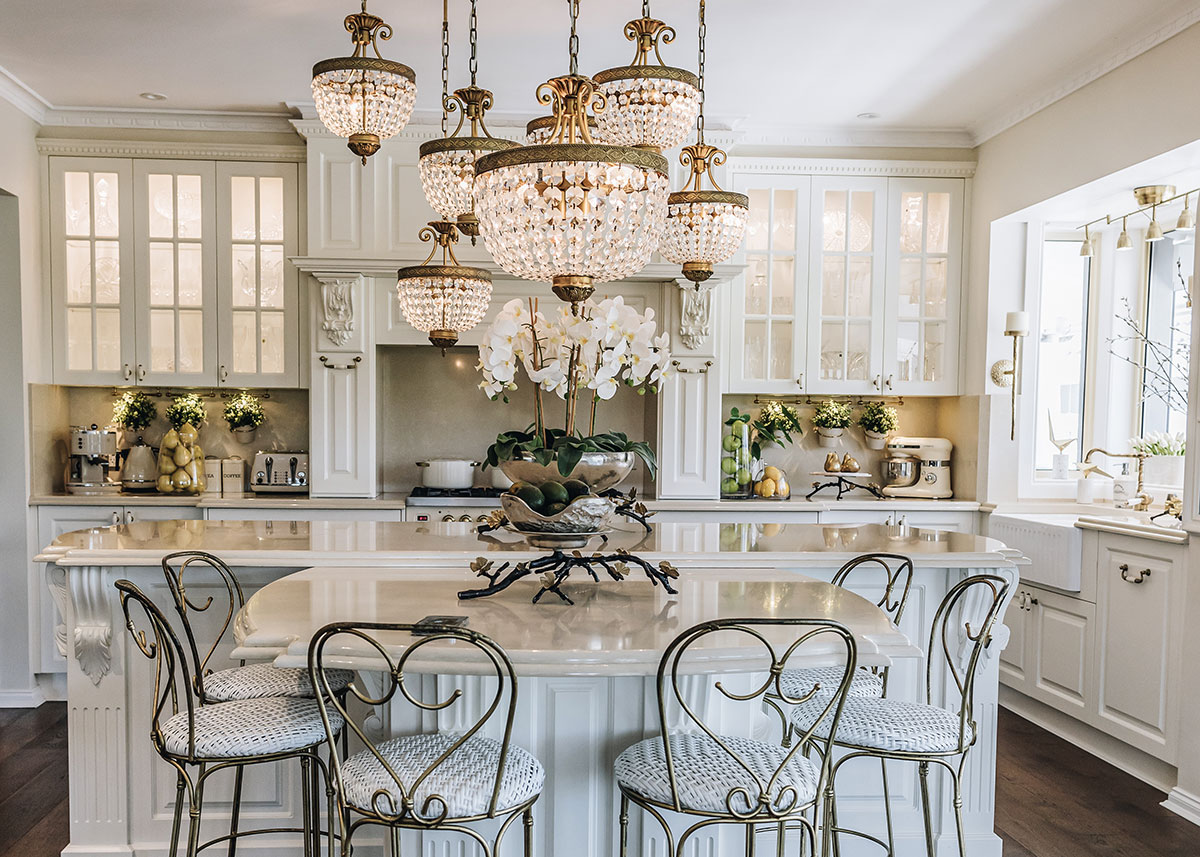
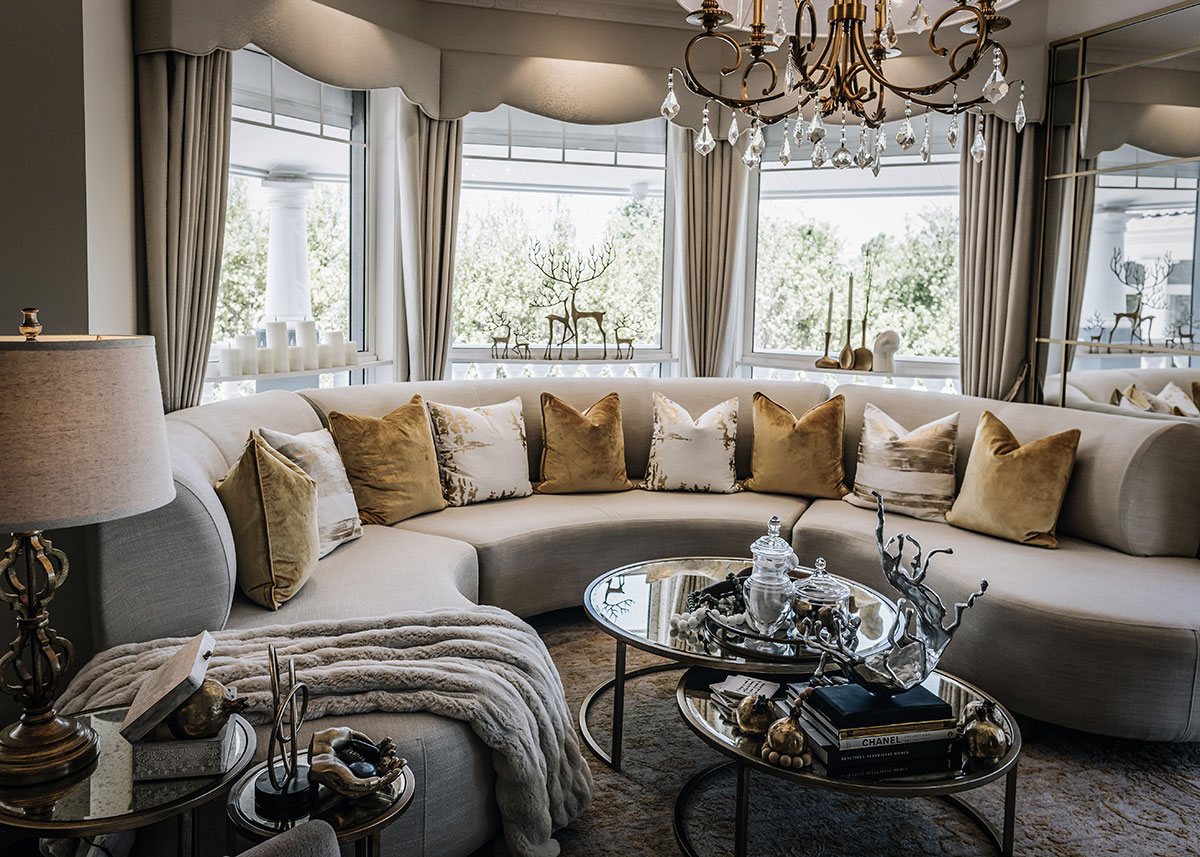
In open-plan environments, for example, the absence of walls places even greater importance on layout. Zones must be clearly defined through furniture placement, proportions, and spatial relationships rather than physical boundaries. Without this clarity, spaces can feel undefined and lack purpose.
A well-considered layout ensures that each area has a clear role while still feeling connected to the overall environment. It allows a space to support multiple functions without conflict, creating a sense of order and ease.
2. Movement and Flow Are Essential to Comfort
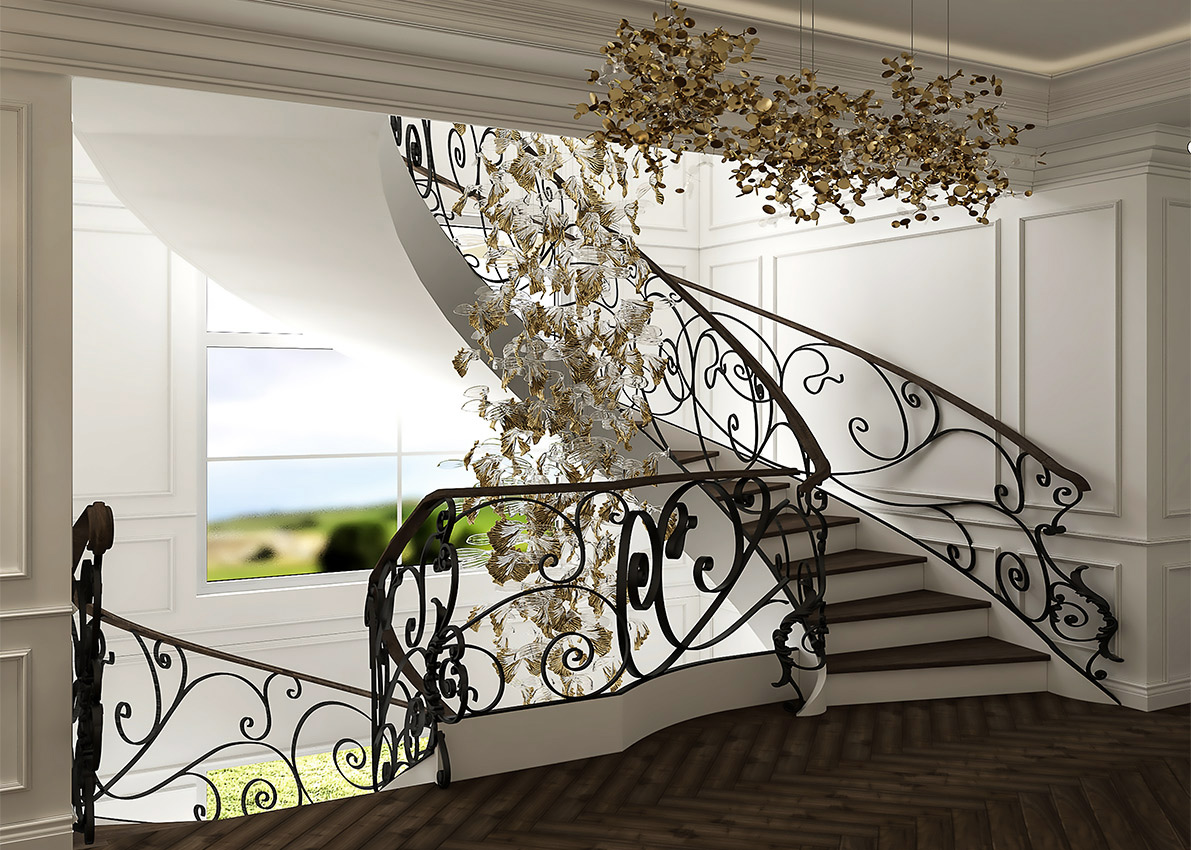
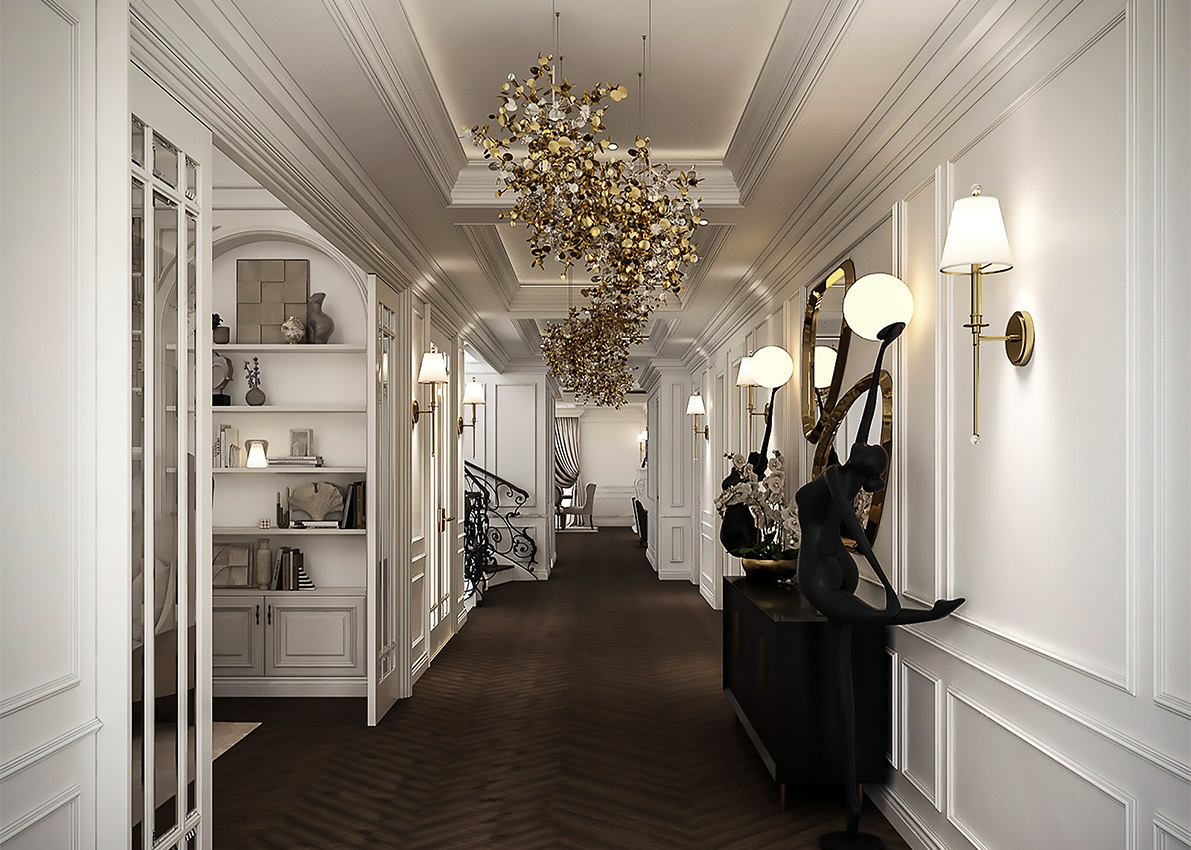
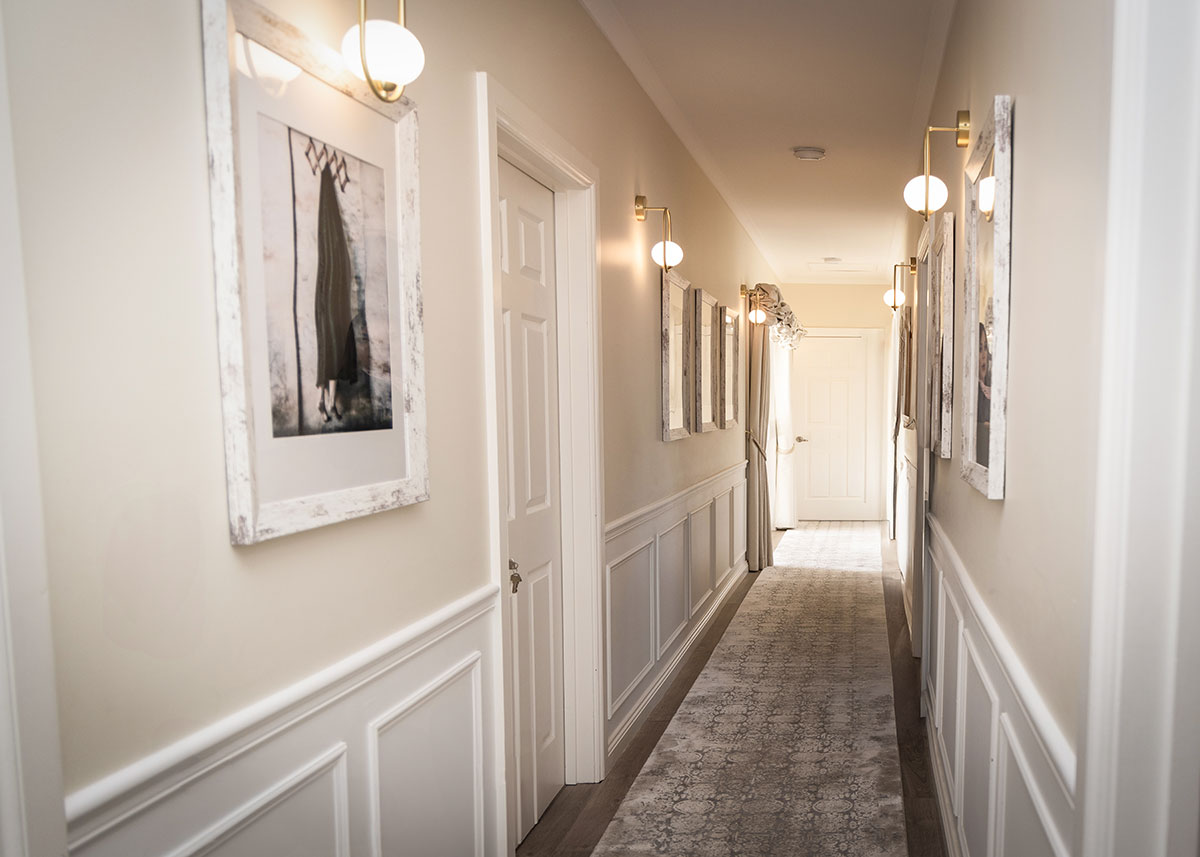
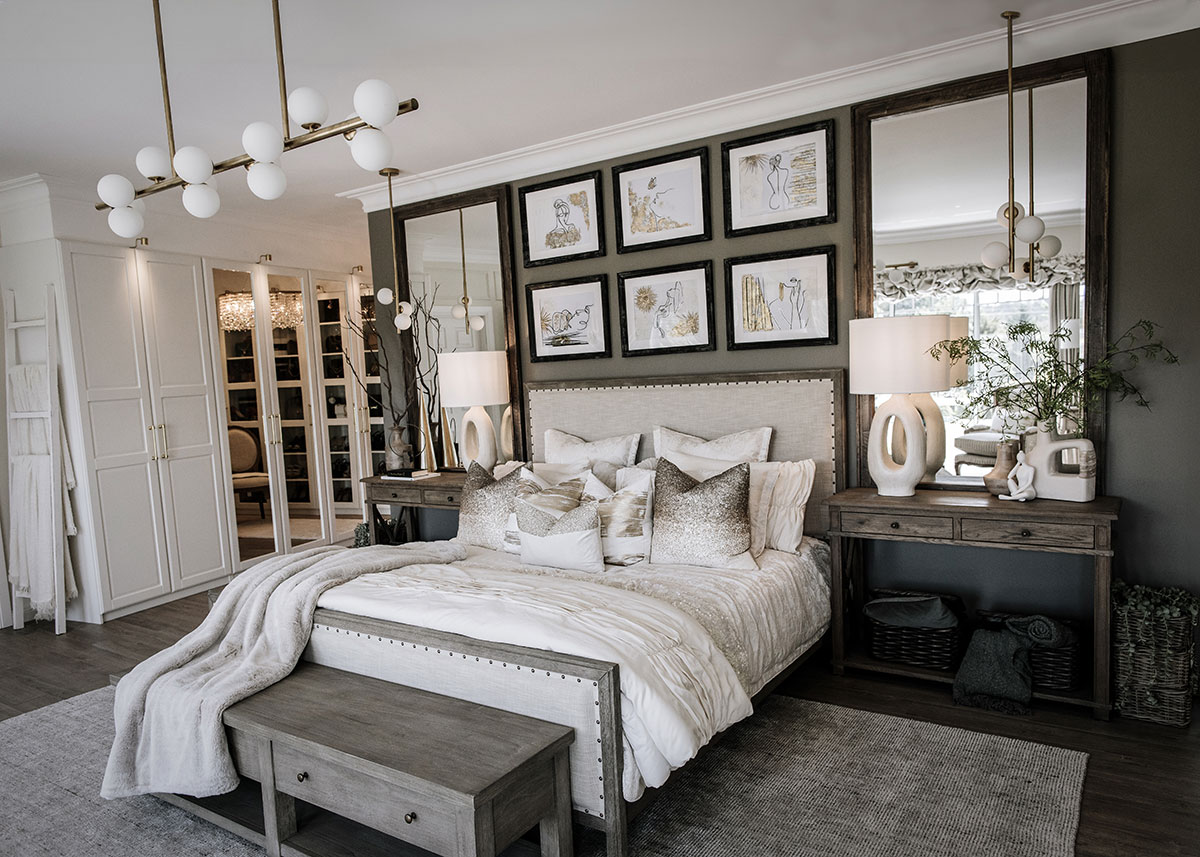
One of the most overlooked aspects of design is how people move through a space. Circulation paths should feel natural, unobstructed, and intuitive.
When layout is poorly planned, movement becomes restricted. Furniture may block pathways, transitions between areas may feel abrupt, and the space can feel smaller than it actually is. These issues are not always immediately visible, but they are consistently felt.
Good layout design removes these obstacles. It creates a rhythm of movement that allows people to navigate the space without effort. This sense of flow contributes significantly to comfort, making the environment feel more open, functional, and considered.
3. Proportion and Scale Depend on Layout
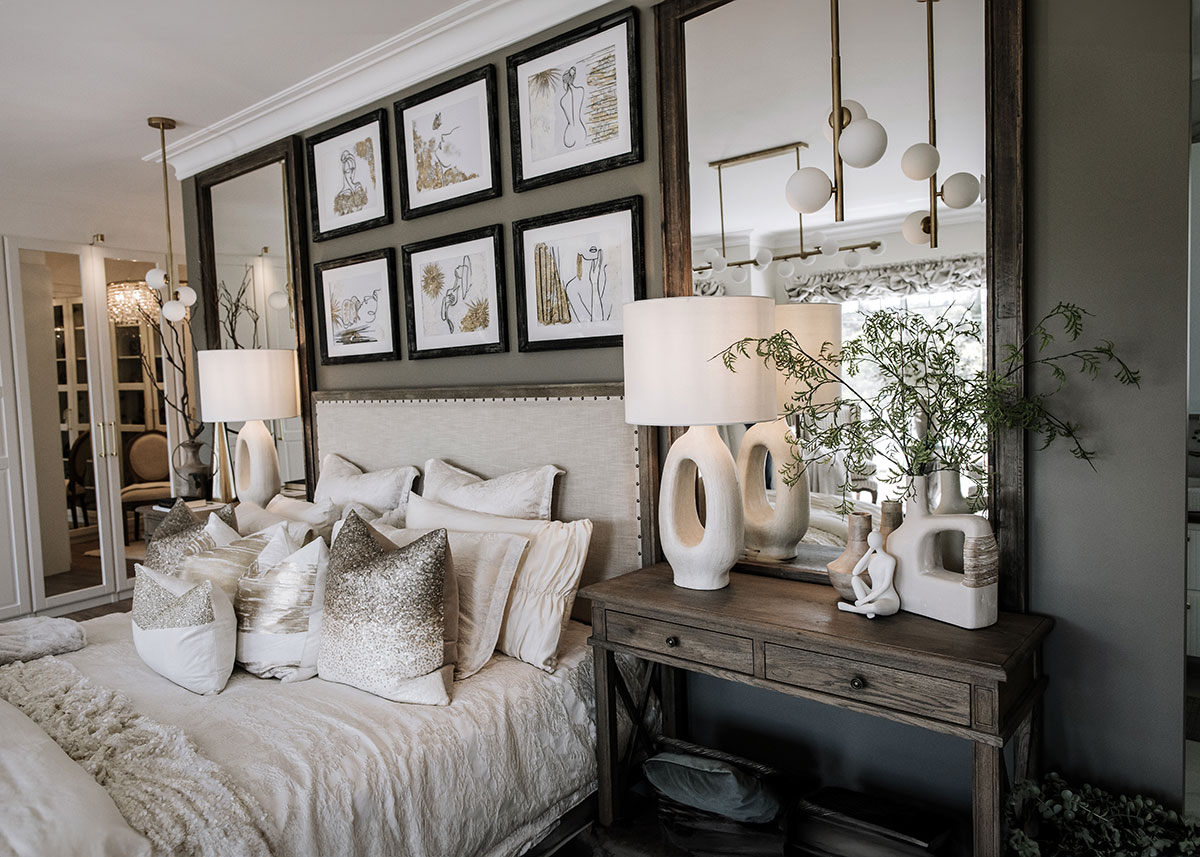
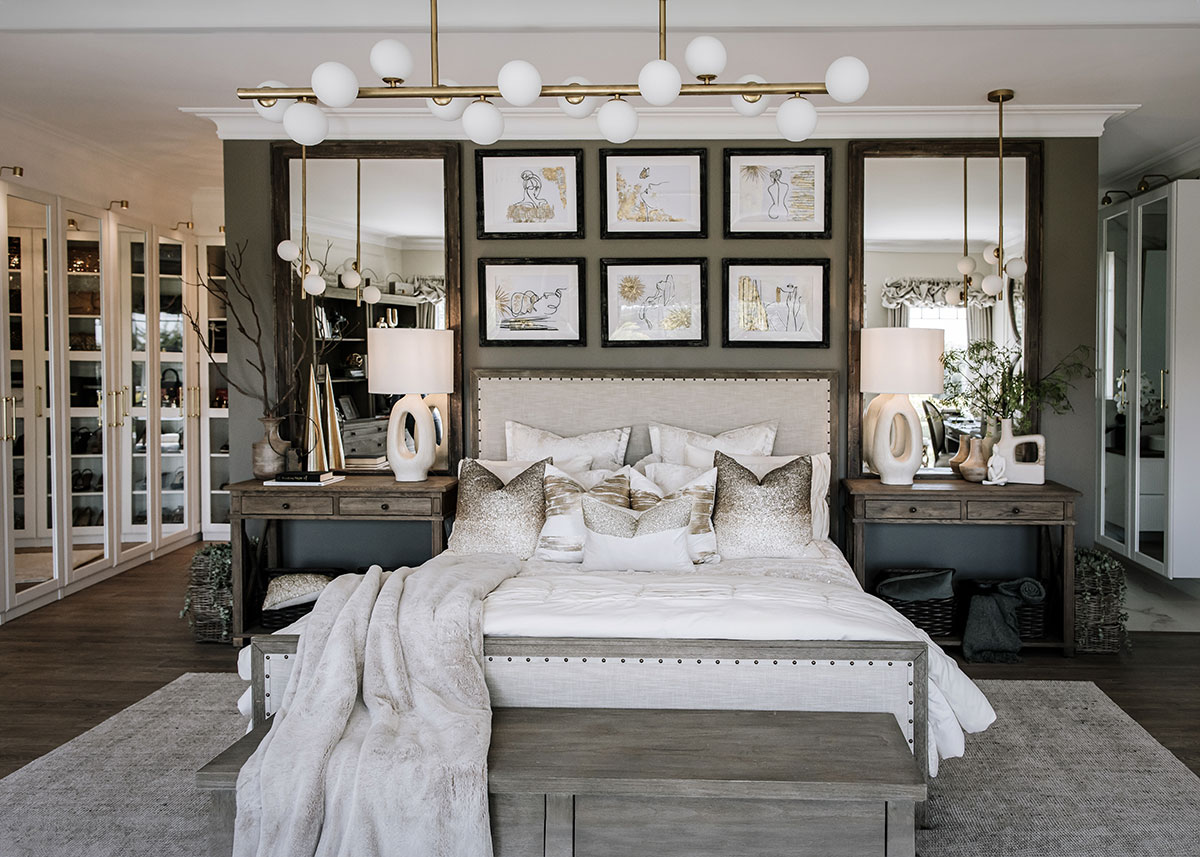
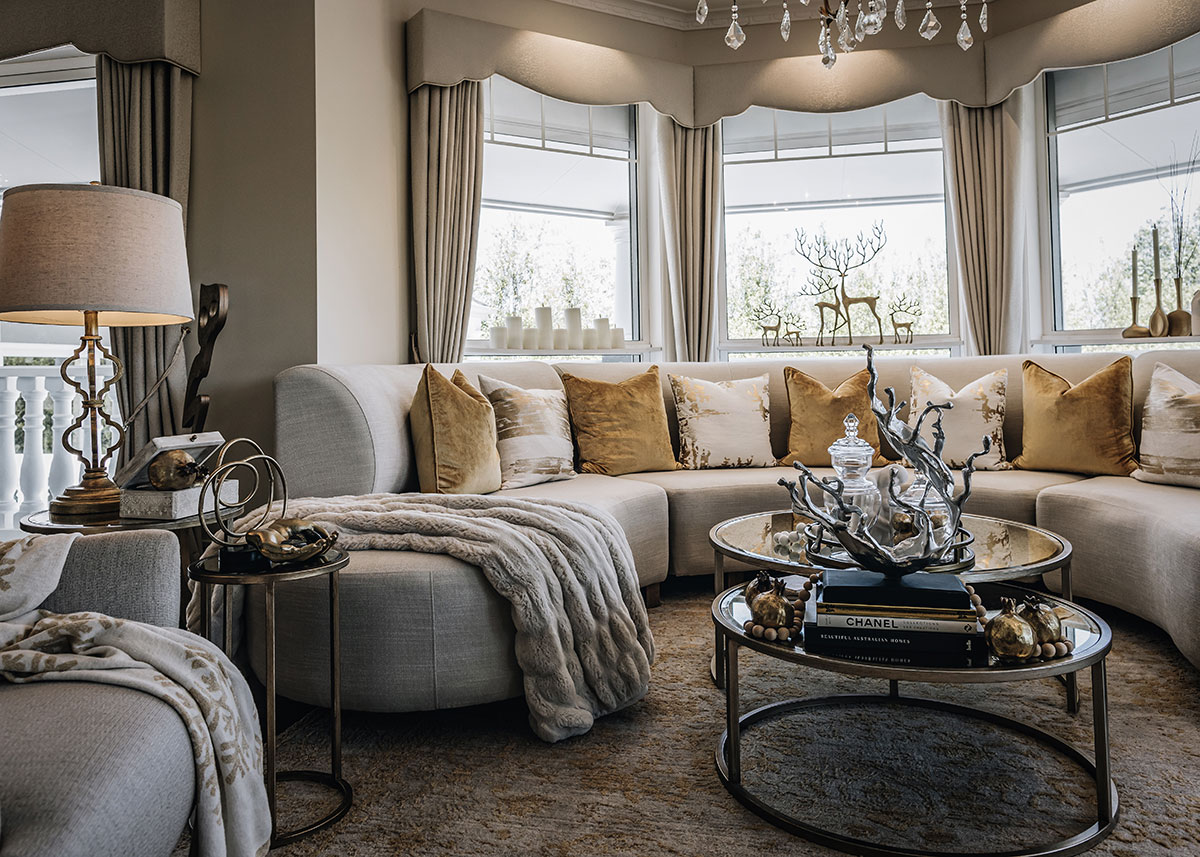
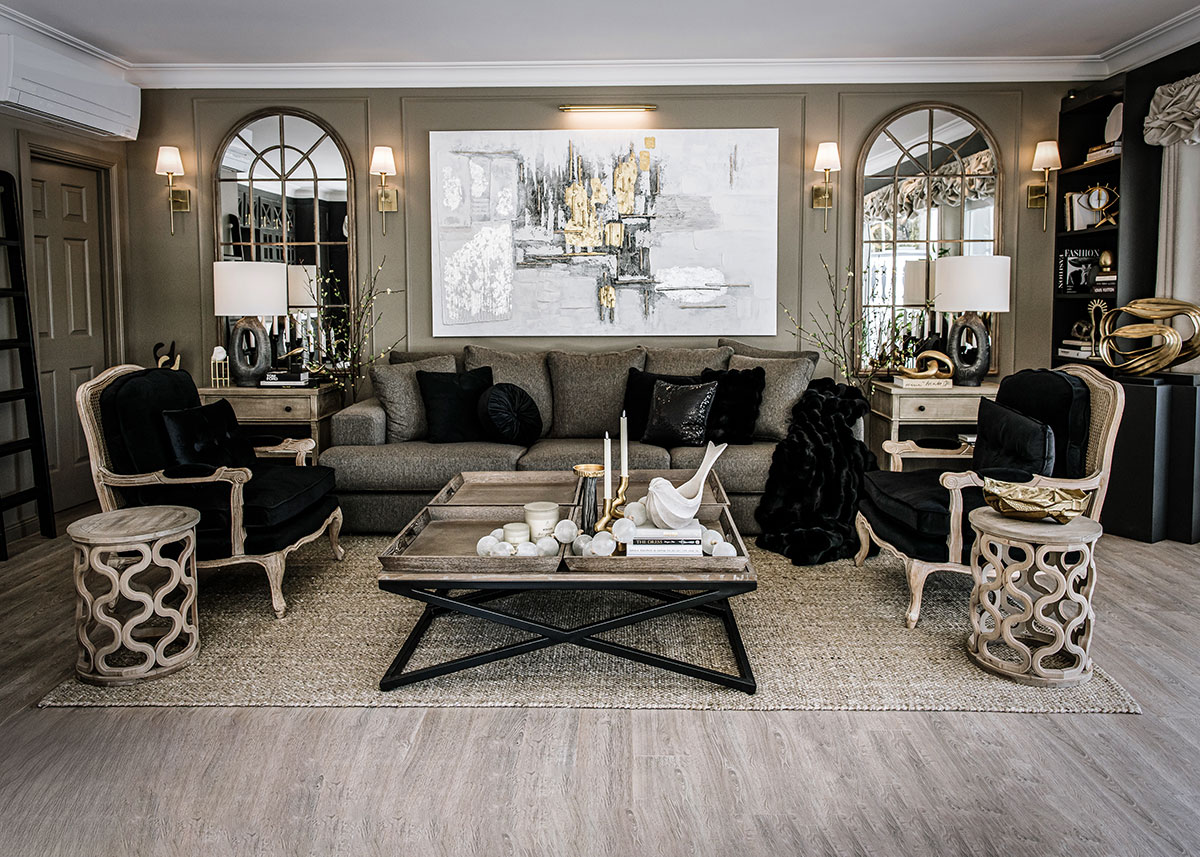
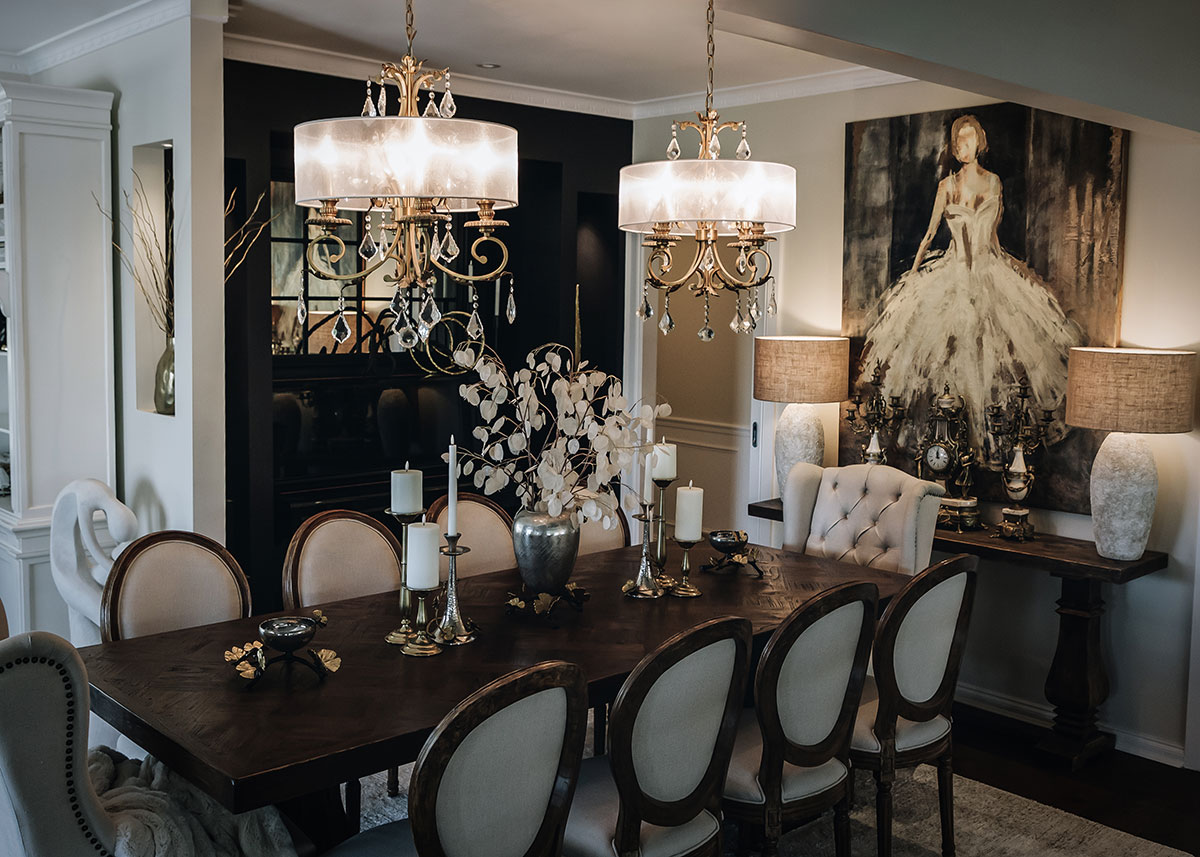
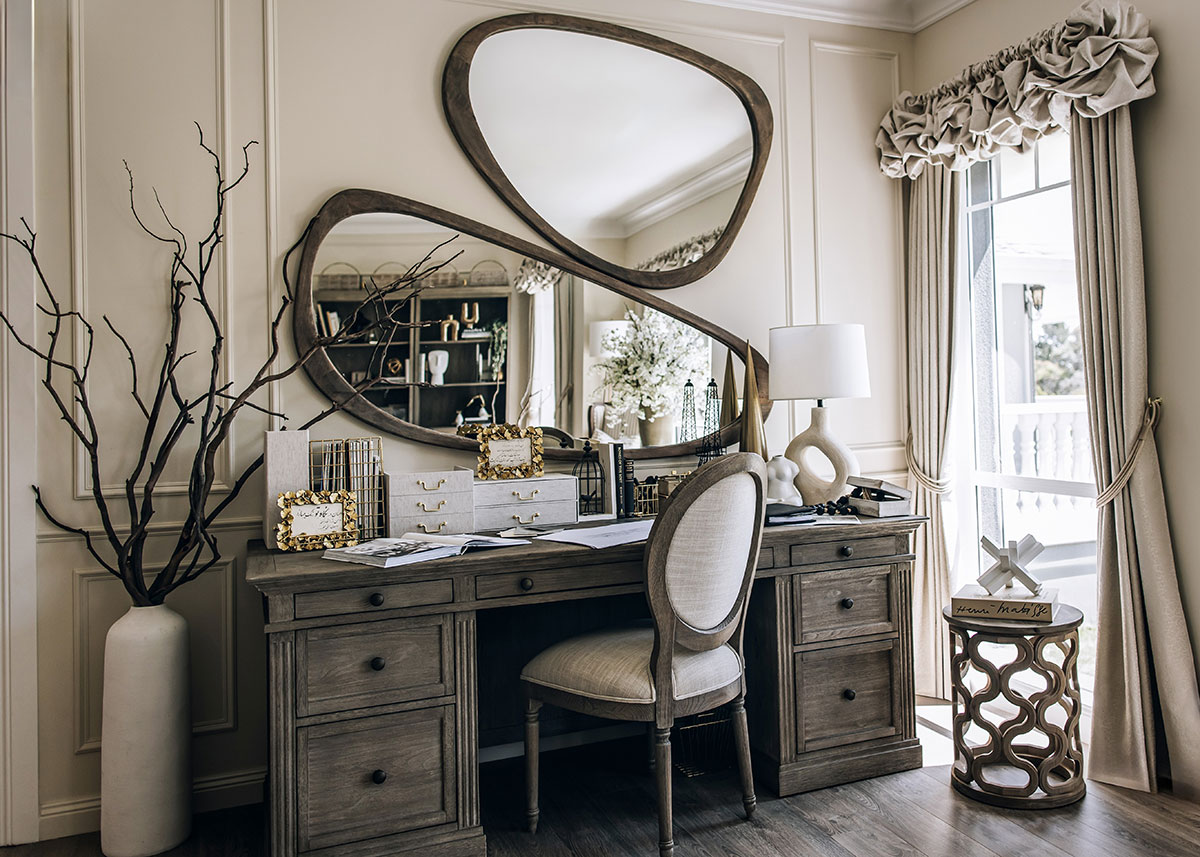
Even the most carefully selected furniture can feel out of place if the layout is not resolved. Oversized pieces in confined areas, or undersized elements in larger spaces, disrupt the visual and functional balance of a room.
Layout provides the framework that allows proportion and scale to work correctly. It defines where key pieces should be positioned, how much space they require, and how they relate to one another.
When proportion is handled well, a space feels balanced without needing excessive decoration. This is often what distinguishes a refined interior from one that feels overcrowded or incomplete.
4. Layout Supports Every Other Design Decision
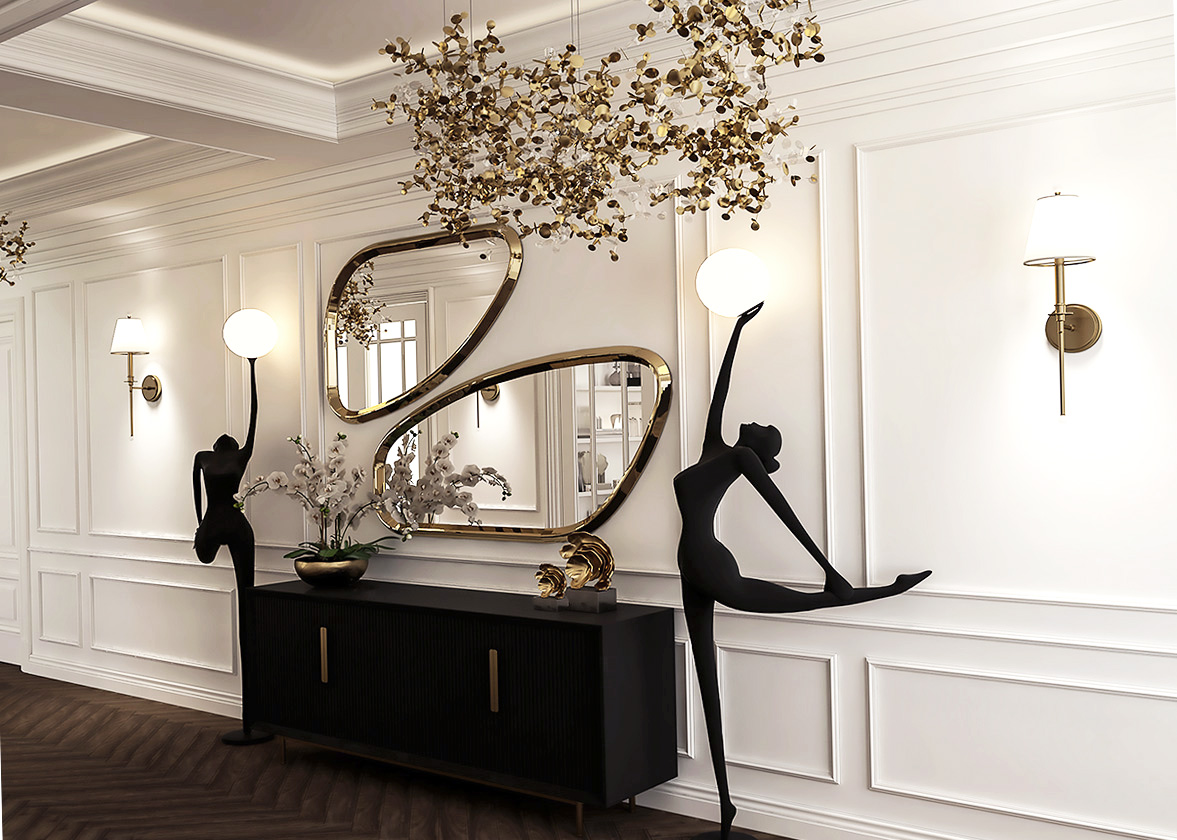
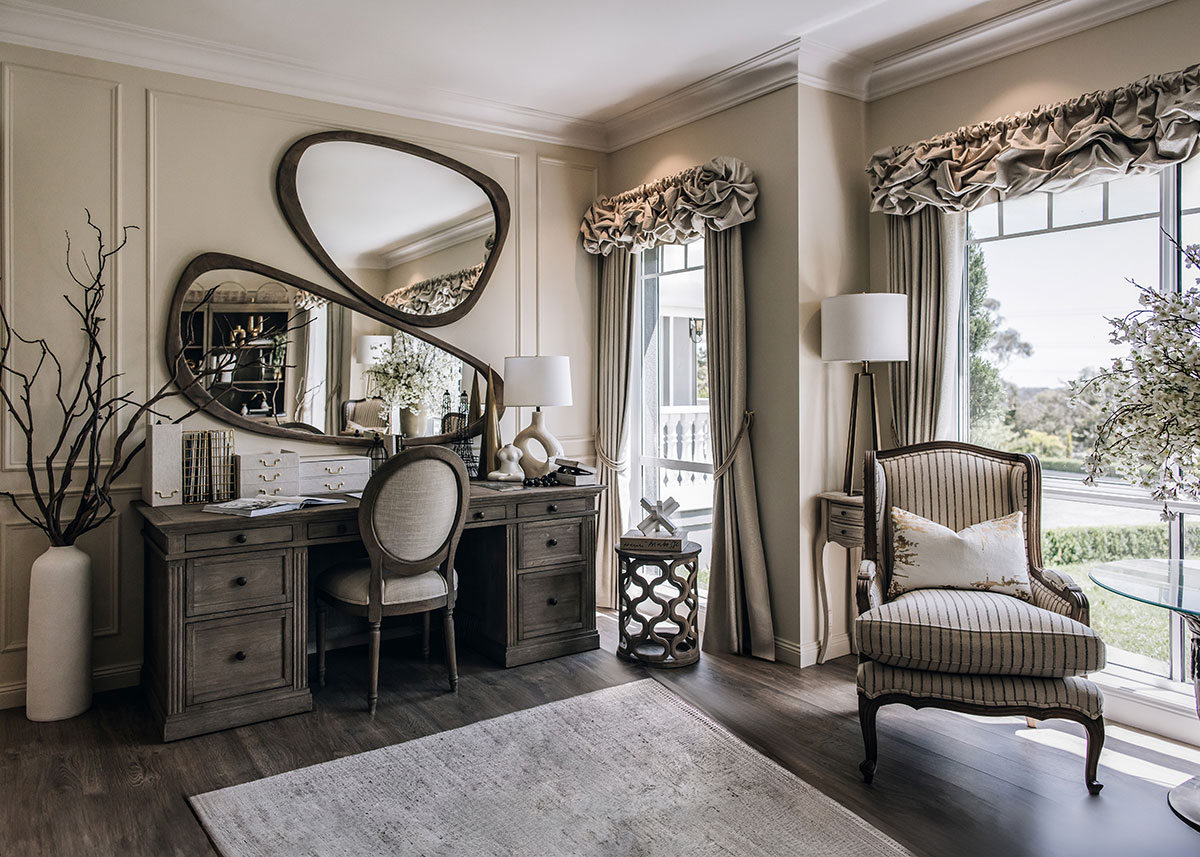
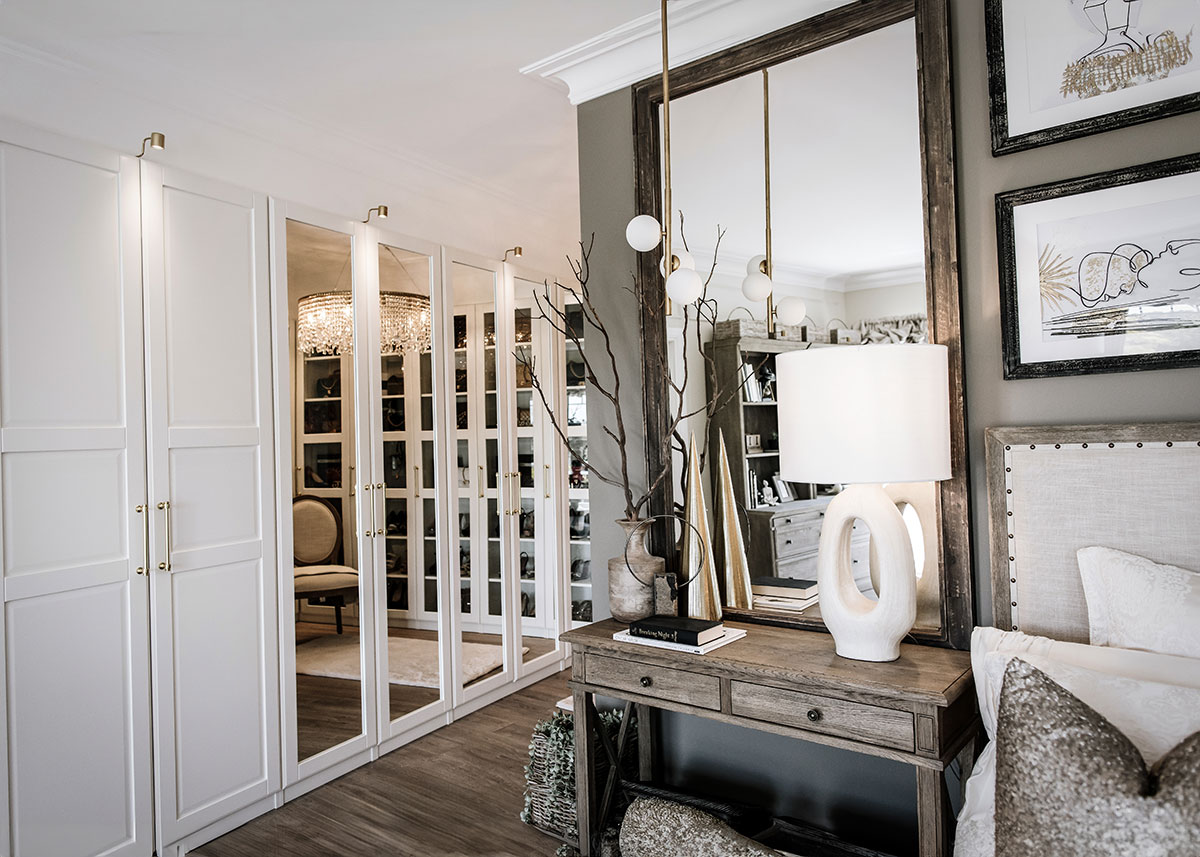
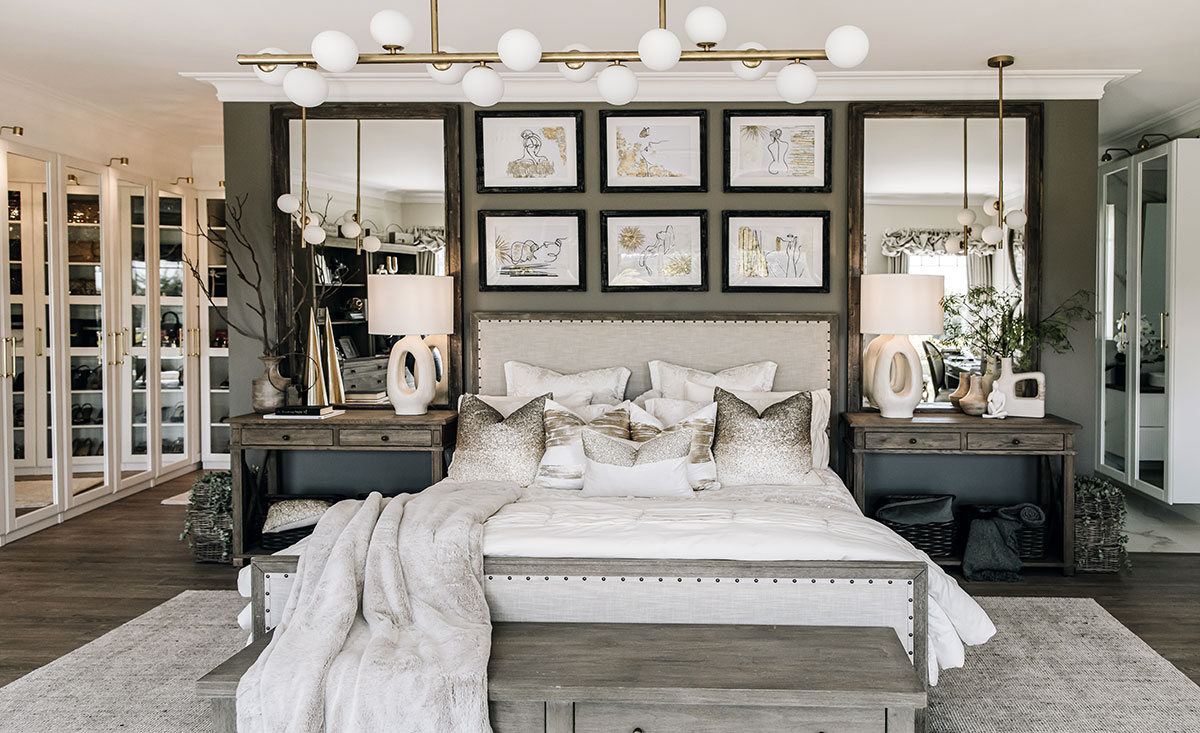
Lighting, material selection, and furniture placement all depend on a well-resolved layout. Without it, these elements can feel disconnected or ineffective.
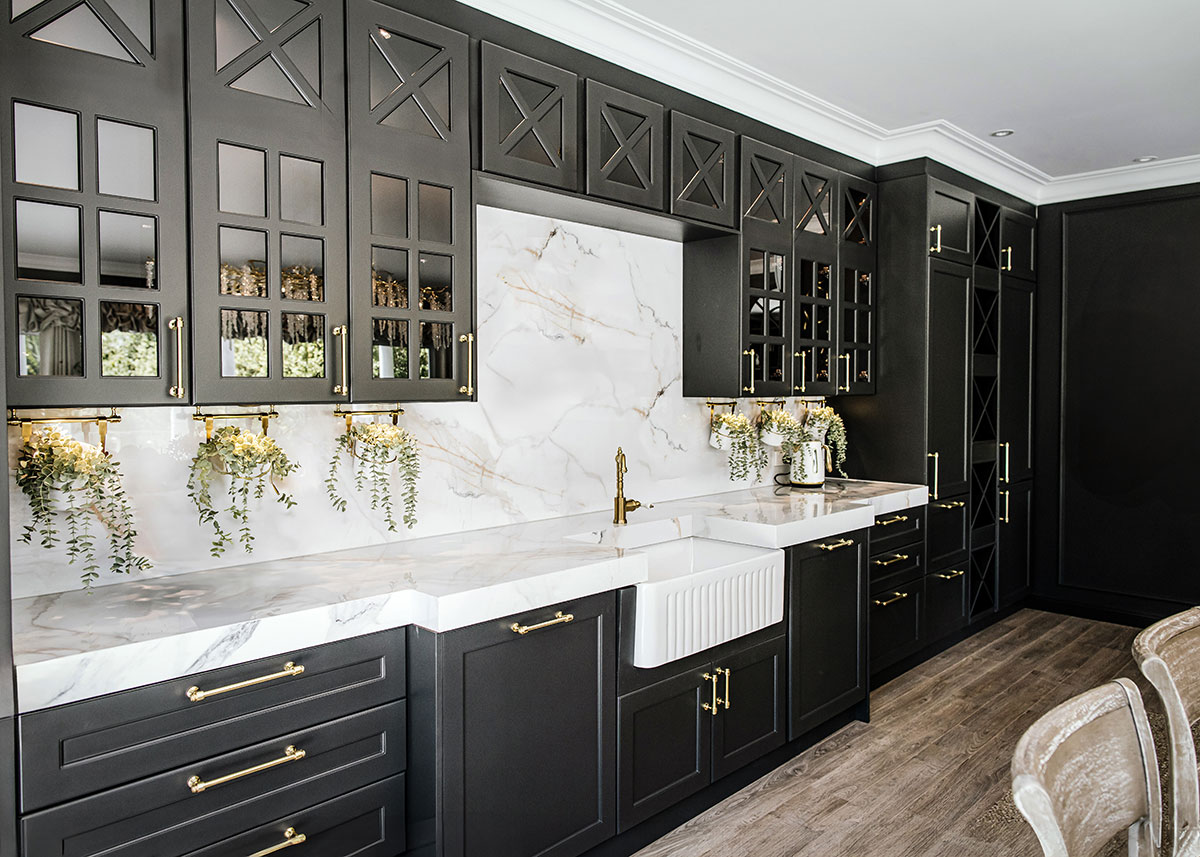
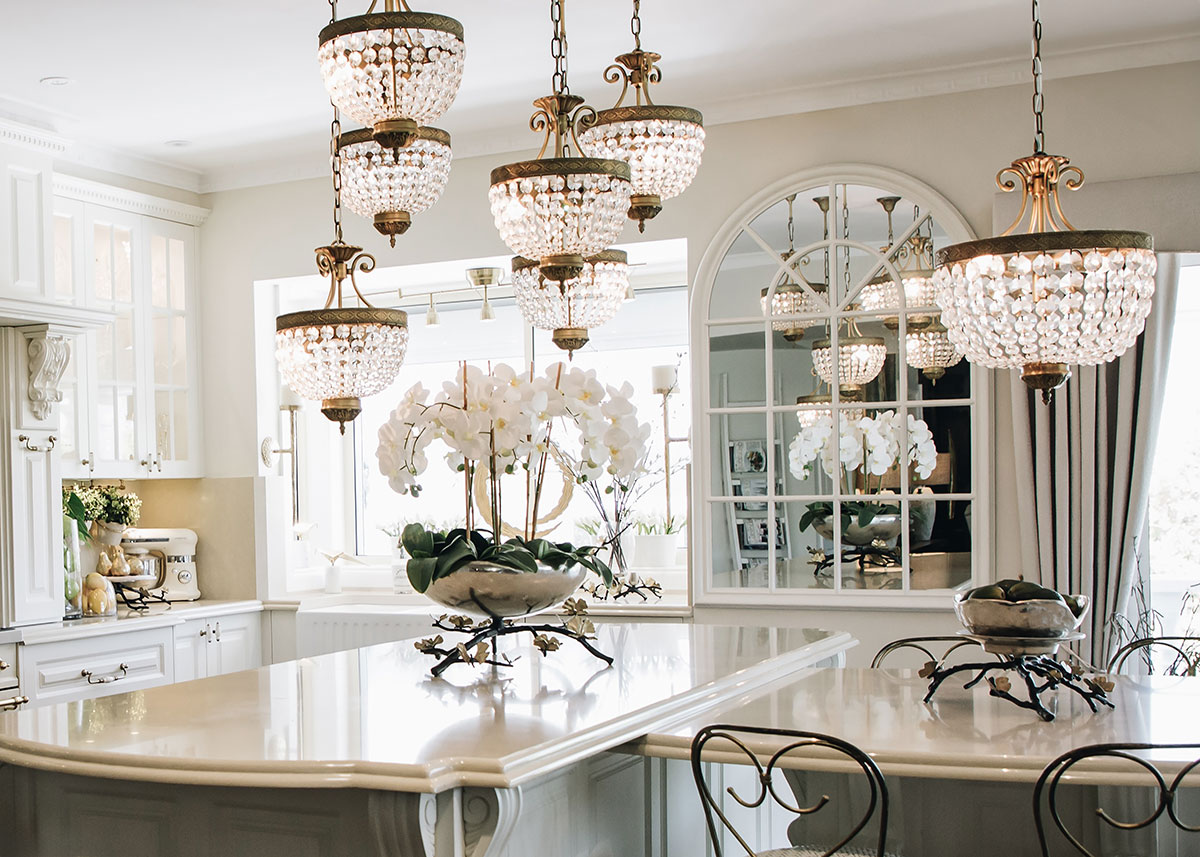
For example, lighting should respond to how a space is used, not just where fixtures can be placed. Similarly, material transitions should align with spatial zones rather than appearing arbitrary. When layout is considered from the beginning, these decisions become more intentional and cohesive.
This level of integration ensures that every element within the space works together, rather than competing for attention. The result is an interior that feels unified and purposeful.
5. Poor Layout Leads to Long-Term Frustration
While style can be updated over time, layout is far more difficult and costly to change. Mistakes made at this stage often lead to ongoing frustration.
Spaces may feel underutilised, certain areas may never function as intended, and daily routines can become unnecessarily complicated. These issues cannot be solved through styling or decoration, they require structural changes.
Investing time and expertise into layout planning from the beginning prevents these problems. It ensures that the space not only looks considered but continues to perform effectively over time.
6. A Strong Layout Creates Effortless Living
The most successful interiors are those that feel effortless. This does not happen by chance, it is the result of a well-resolved layout that supports the way people live.
When everything is positioned with intention, daily life becomes easier. Movement flows naturally, spaces respond to different needs, and the environment feels intuitive rather than restrictive.
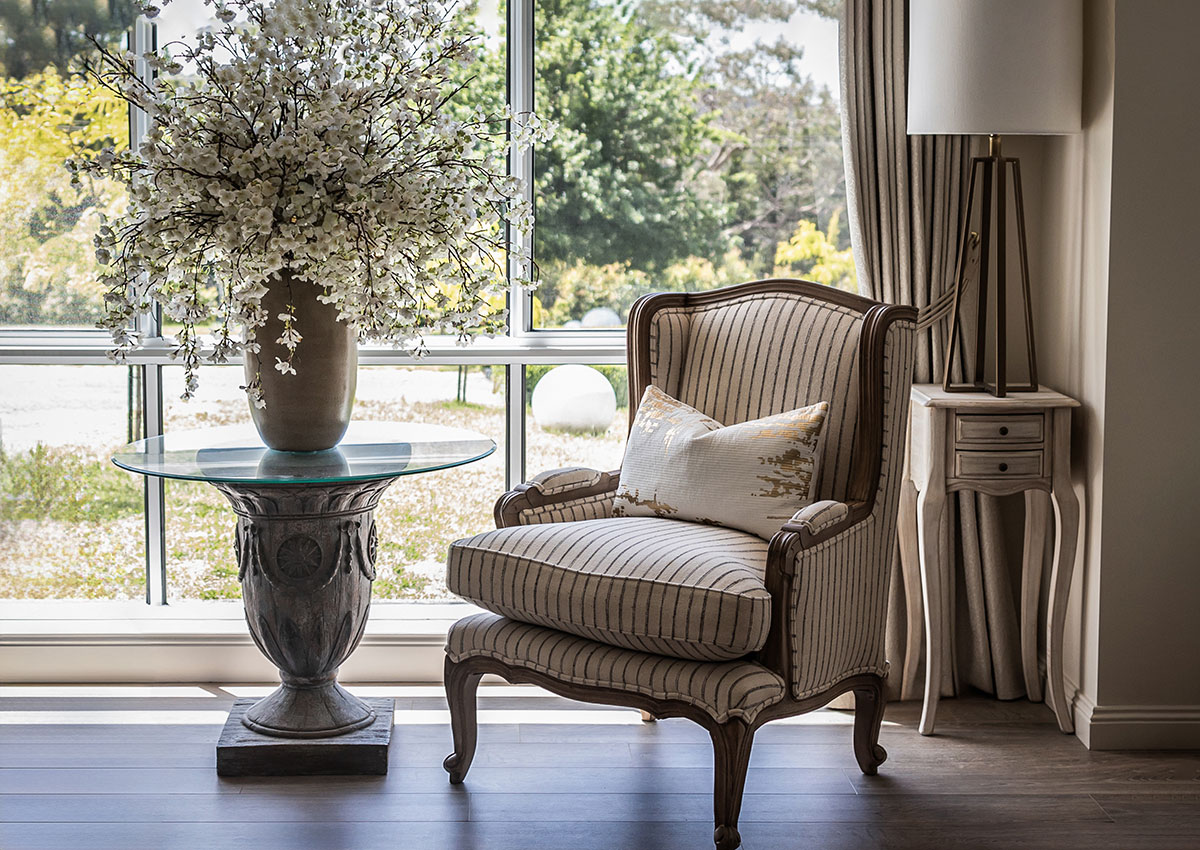
This sense of effortlessness is often what defines true luxury. It is not about excess or visual complexity, but about how seamlessly a space supports everyday living.
Final Thoughts
Style shapes how a space looks, but layout defines how it lives. Without a strong spatial foundation, even the most visually appealing interiors can fall short in practice.
At Lux Interiors, we believe that great design begins with understanding how a space should function before defining how it should appear. Because when layout is resolved with precision, every other element, from materials to lighting naturally falls into place, creating interiors that are not only beautiful, but truly liveable.