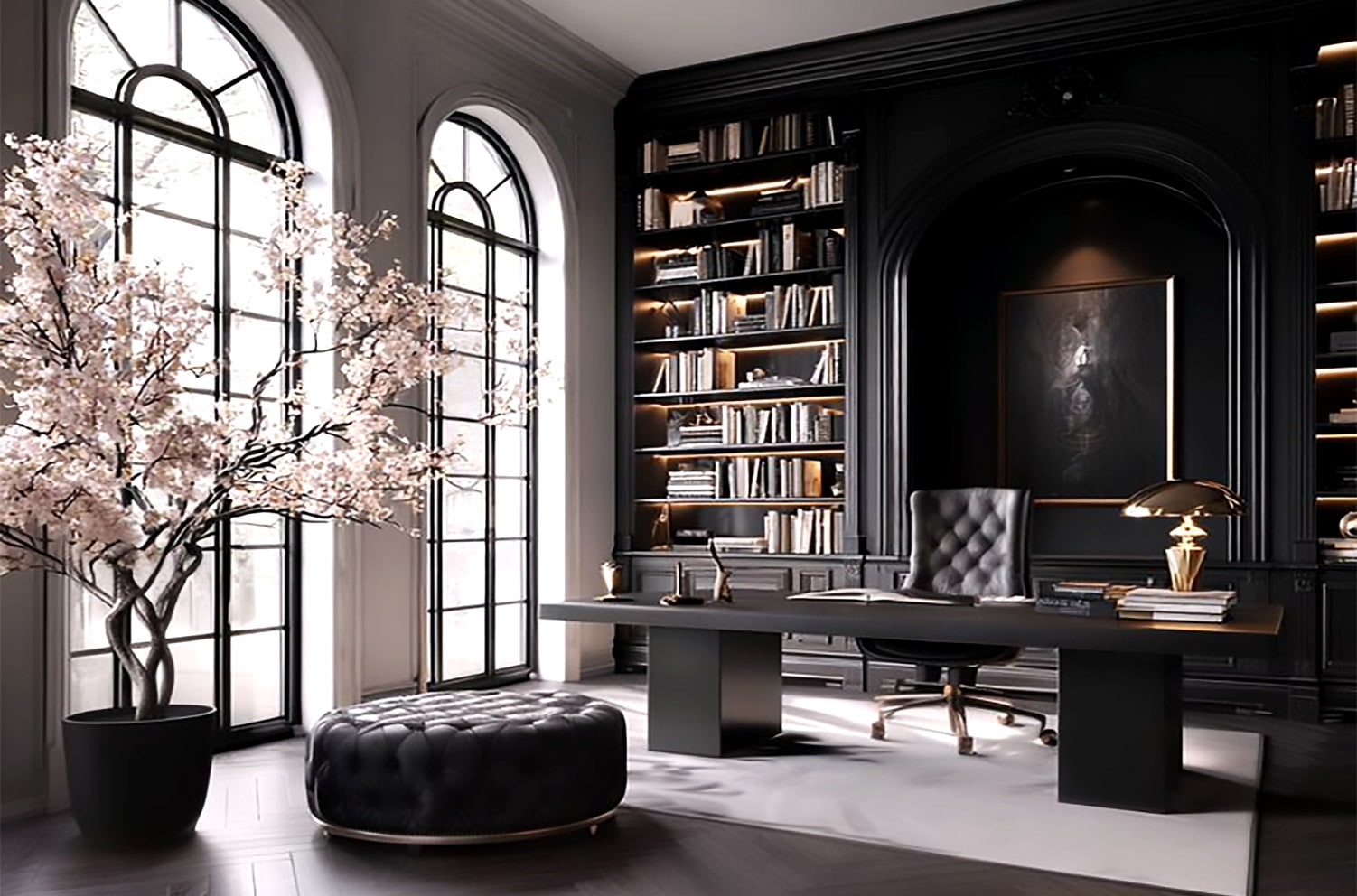
Interior design is often perceived as a purely aesthetic investment, but its influence extends far beyond appearance. The way a home is designed can significantly impact how it is perceived in the property market. Thoughtful design decisions improve functionality, comfort and visual cohesion all of which contribute to a stronger and more appealing property value over time.
1-First Impressions Shape Buyer Perception
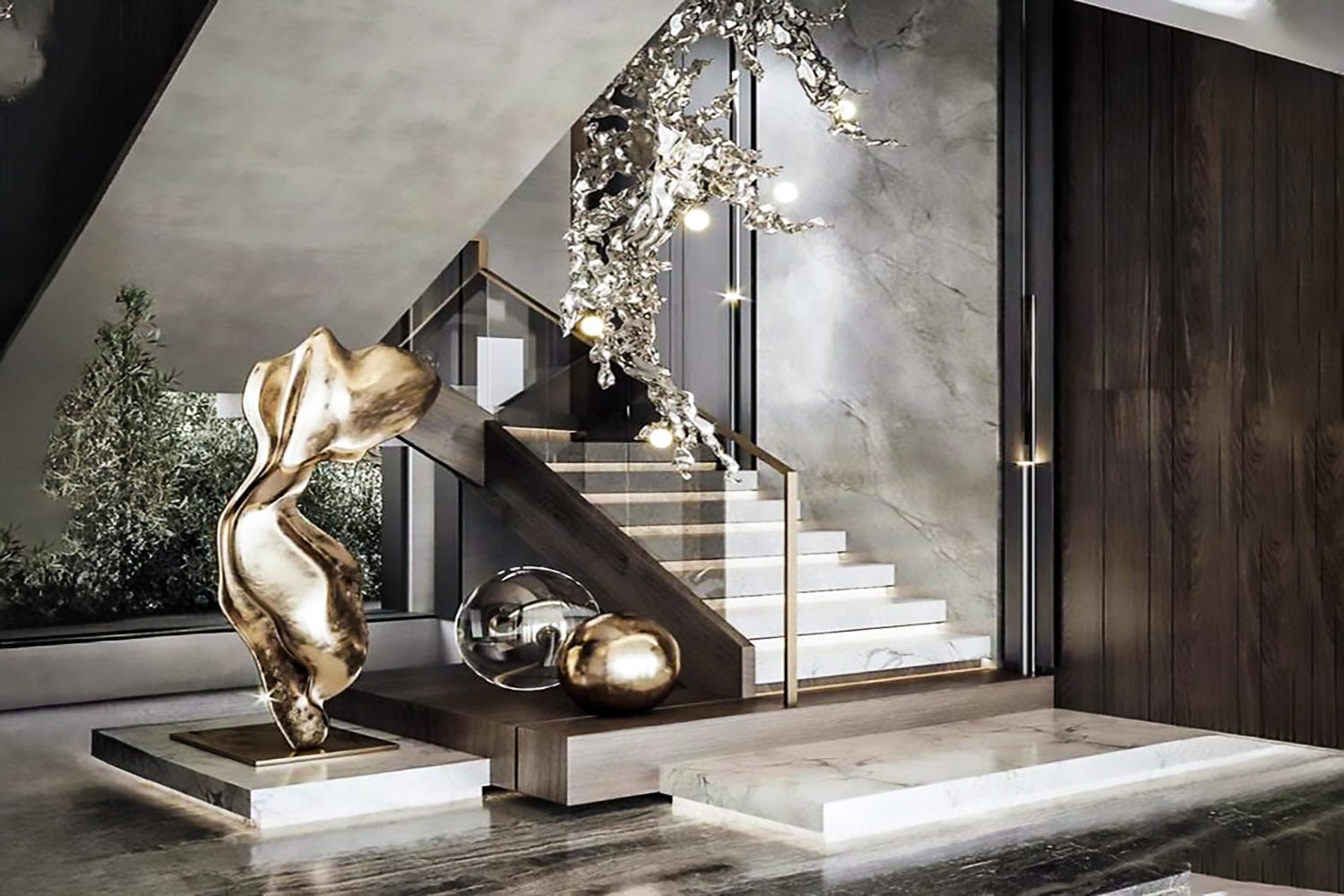
The first moments of entering a home often determine how people feel about the entire property. A well-designed interior immediately communicates care, quality and attention to detail. When spaces feel balanced, welcoming and thoughtfully planned, potential buyers are more likely to associate the property with higher value. Even subtle elements such as lighting, material quality and spatial flow can strongly influence this initial impression.
In a competitive market, that first impression often happens online. Clear photographs of a well-lit, cohesive interior attract more interest before anyone walks through the door.
2-Functional Layouts Increase Market Appeal
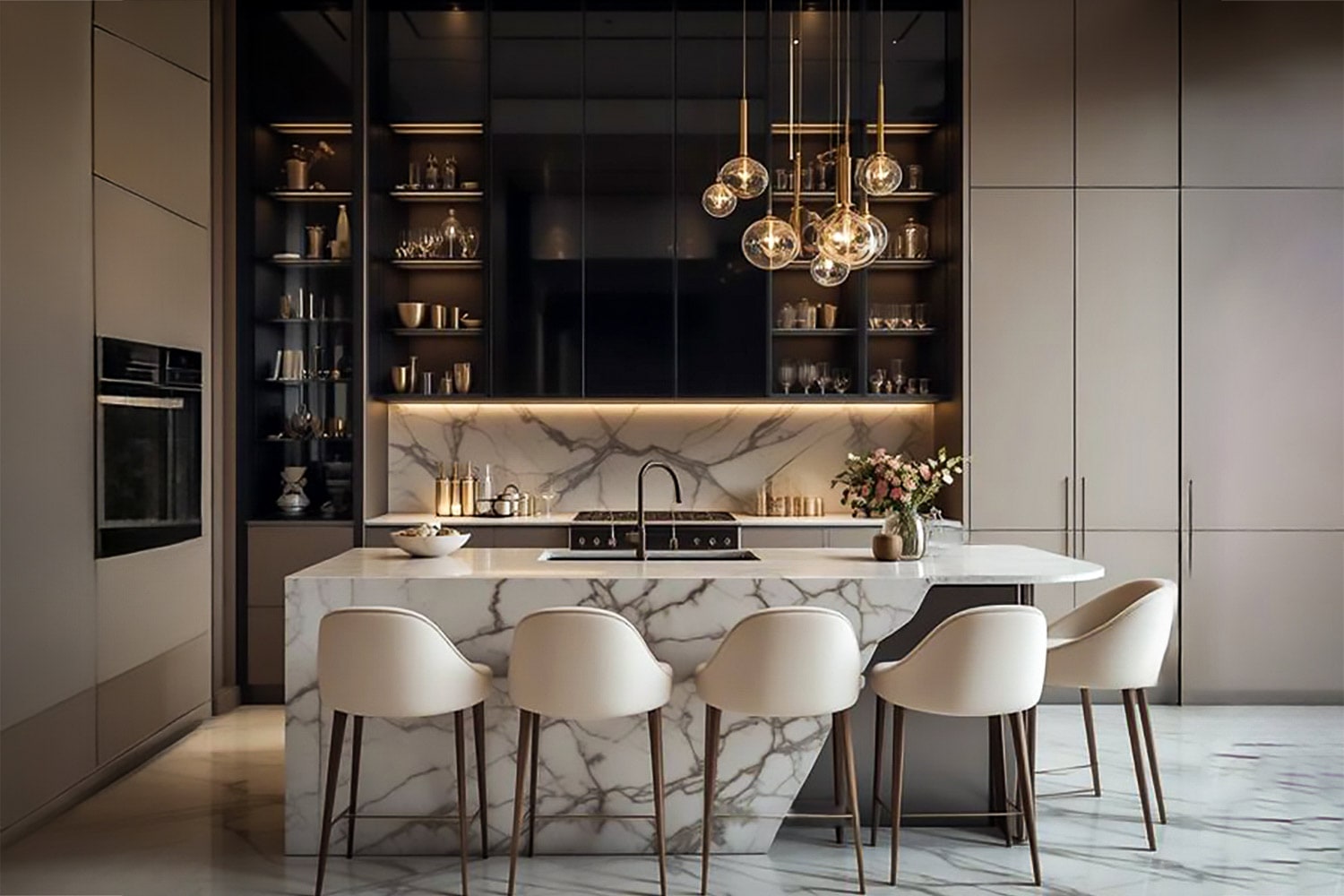
A beautiful interior alone is not enough if the layout does not support everyday living. Buyers are naturally drawn to homes where spaces feel practical and easy to navigate. Open yet clearly defined living areas, well-positioned kitchens and comfortable circulation between rooms make a home feel intuitive to live in. When a layout supports modern lifestyles including entertaining, family living and flexible work spaces the property becomes more attractive to a broader range of buyers.
3-Quality Finishes Communicate Longevity
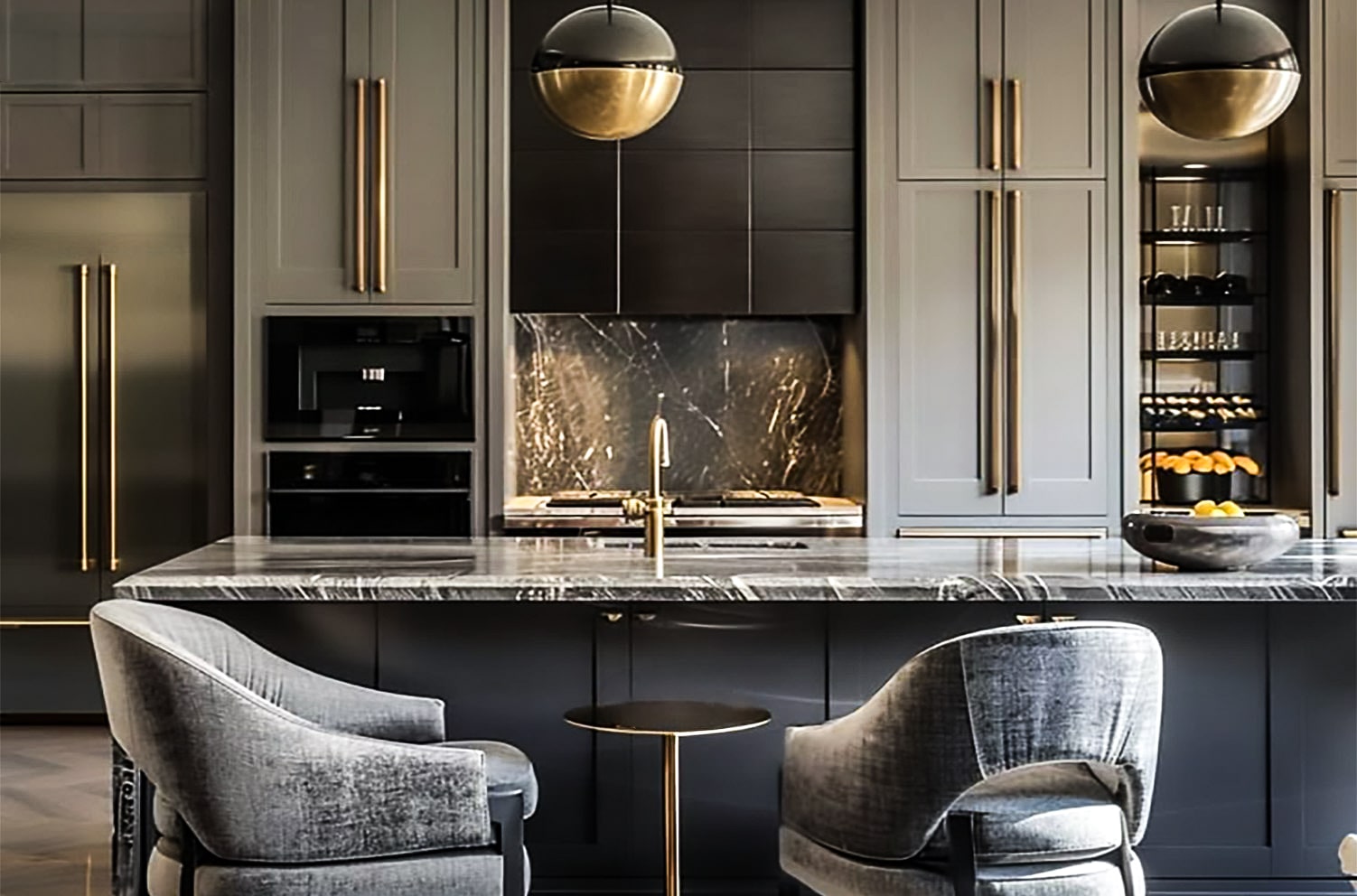
Materials and finishes play a key role in how buyers perceive the durability of a home. High-quality joinery, well-selected flooring and carefully chosen surfaces suggest that the home has been designed to last. Buyers often associate durable materials with reduced future maintenance, which can make the property feel like a more secure and valuable investment.
4-Cohesive Design Enhances Perceived Quality
Homes where materials, colours and finishes are thoughtfully coordinated tend to feel more refined and complete. When each room connects visually to the next, the home feels intentionally designed rather than pieced together over time. This level of cohesion elevates the overall experience of the space and often leads to a stronger emotional response from potential buyers.
5-Timeless Design Broadens Buyer Interest
Interiors that rely heavily on short-lived trends can quickly feel outdated. In contrast, spaces built on timeless design principles balanced proportions, natural materials and neutral foundations appeal to a wider audience. Buyers often prefer homes that feel move-in ready rather than spaces requiring immediate renovation, which can positively influence the property’s market value.
6-Design Highlights Strengths and Softens Weaknesses
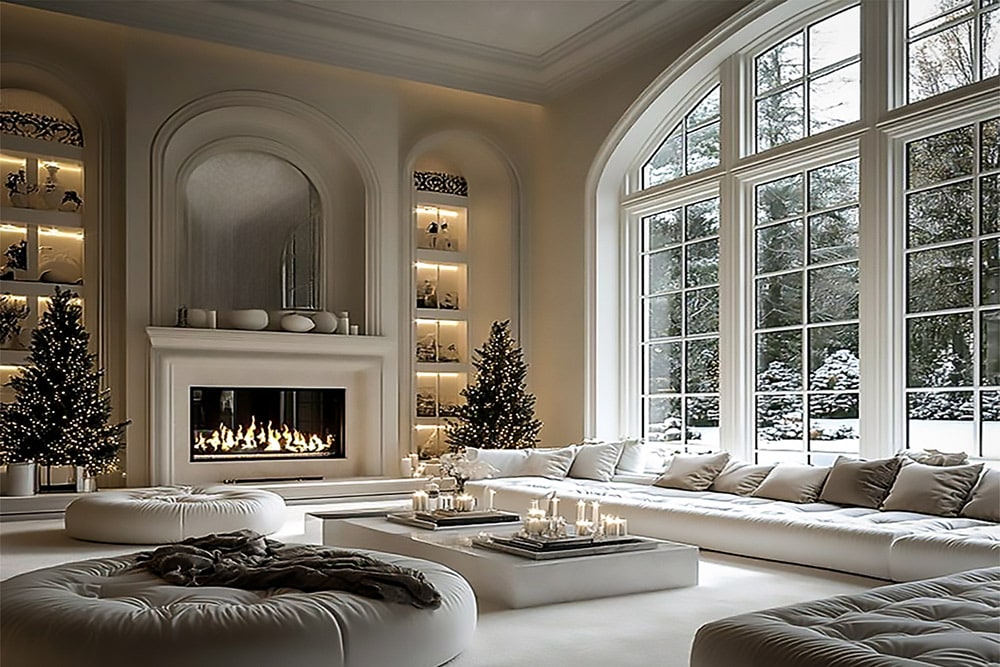
A considered interior draws attention to what a home already does well, such as ceiling height, natural light or a garden outlook, and reduces the visual weight of less generous aspects. Buyers then spend more time with the qualities that support value.
7-People Respond to How a Home Feels
Purchase decisions are rarely only practical. A warm, resolved interior helps people imagine living there, which can lead to stronger interest and a clearer sense of quality.
Final ThoughtsInterior design plays an important role not only in how a home looks, but in how it is experienced and valued. By prioritising thoughtful layouts, quality materials and cohesive design decisions, homeowners can create spaces that support everyday living while also strengthening the long-term value of their property. A well-designed interior ultimately becomes an investment that enhances both lifestyle and market appeal.
Considered residential interior design is one of the most reliable ways to strengthen how a home is lived in and how it is perceived.