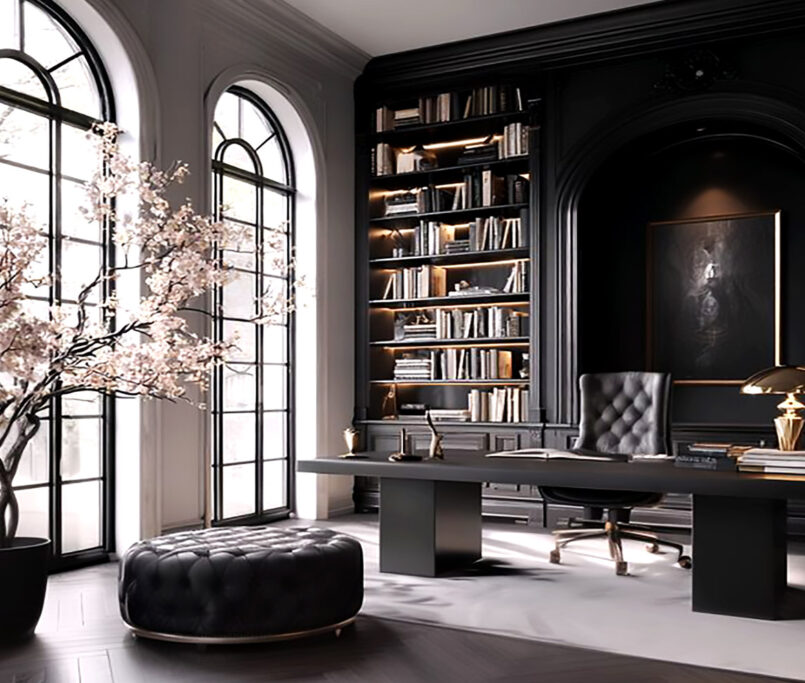
Most homeowners think the only way to make a room feel larger is to knock down walls or extend the space. But the truth is, thoughtful interior design can dramatically enhance the sense of space without a single structural change. At Yara Luxe Interiors, we believe that great design should feel effortless-elegant and deeply personal, and making a room feel bigger is one of the most transformative aspects of that process.
1. Use a Cohesive, Lifted Colour Palette
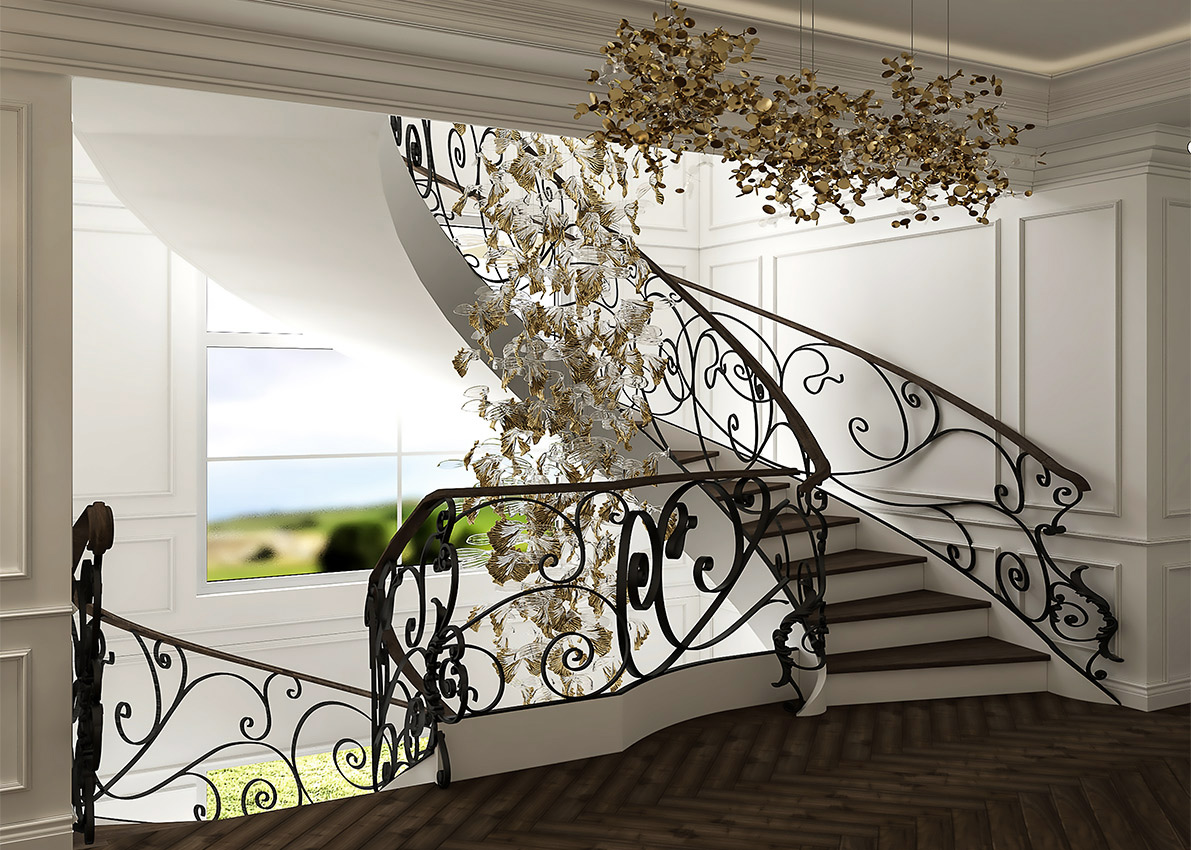
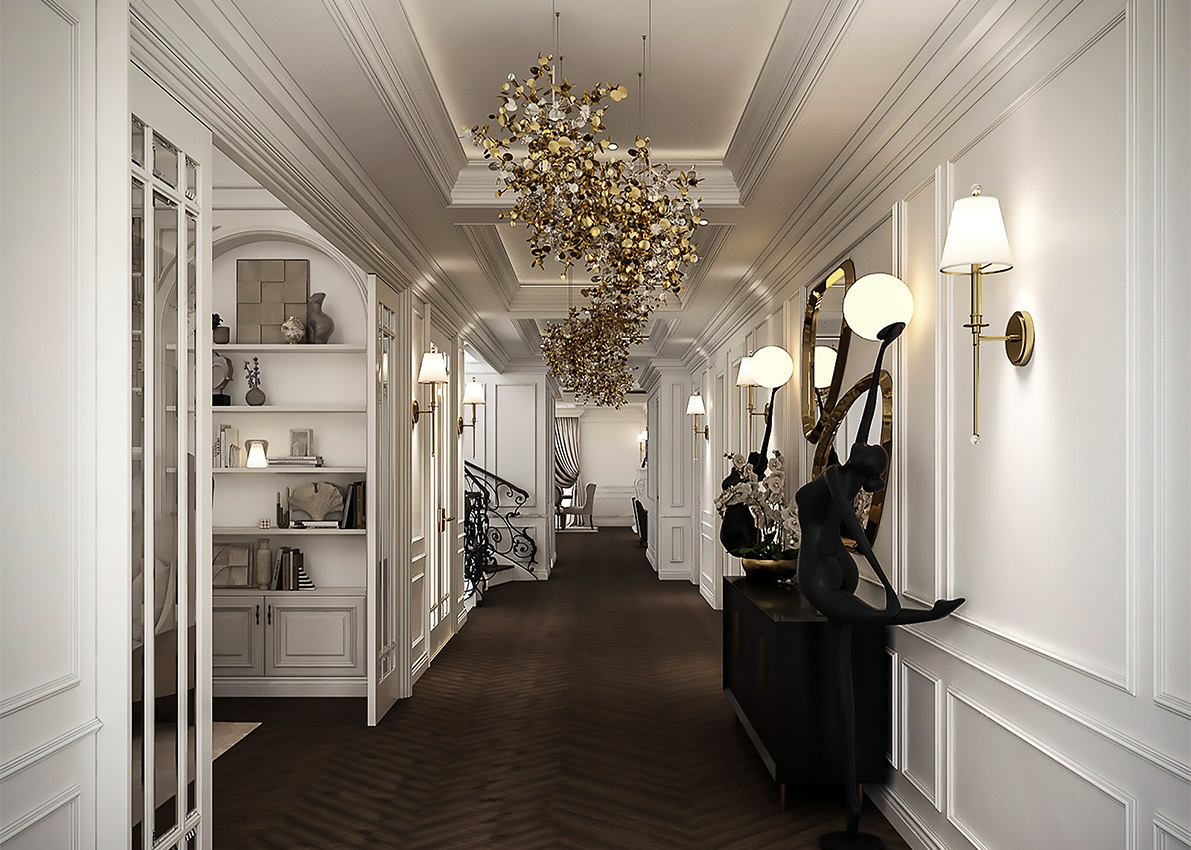
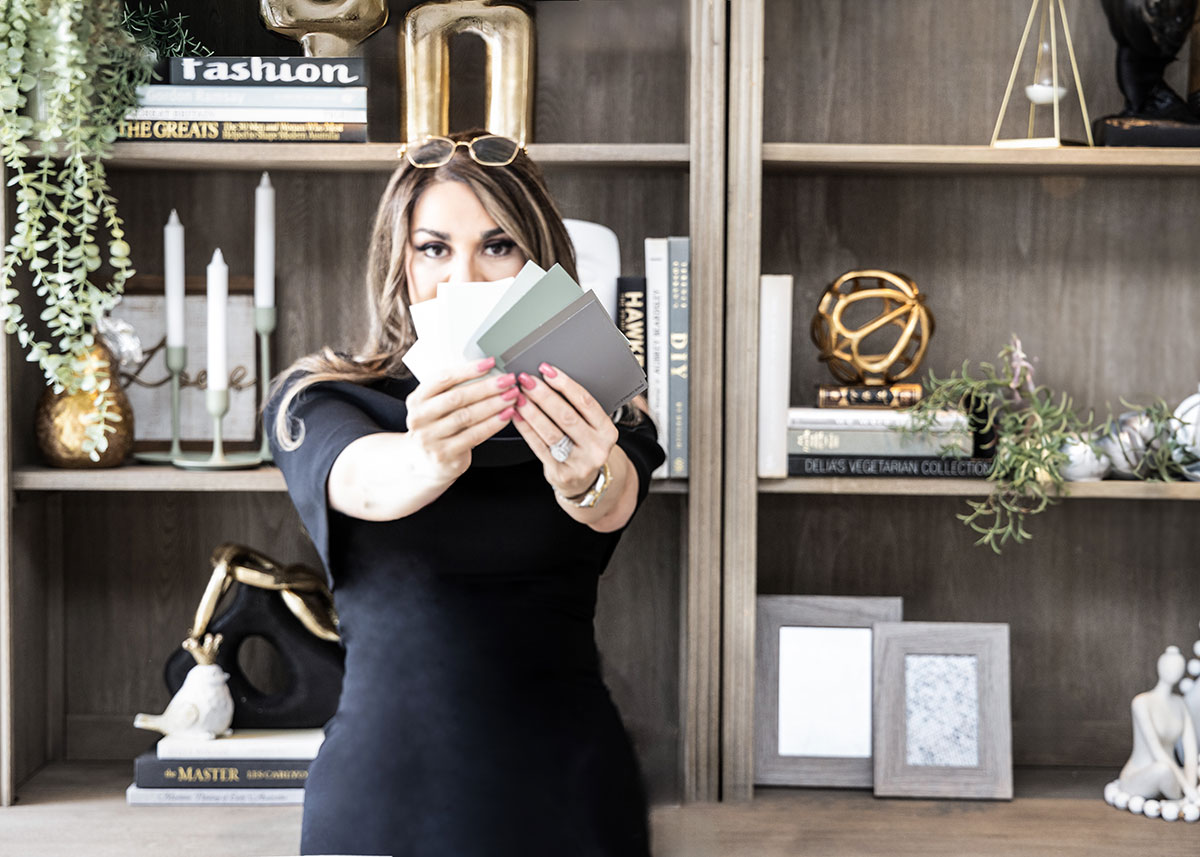
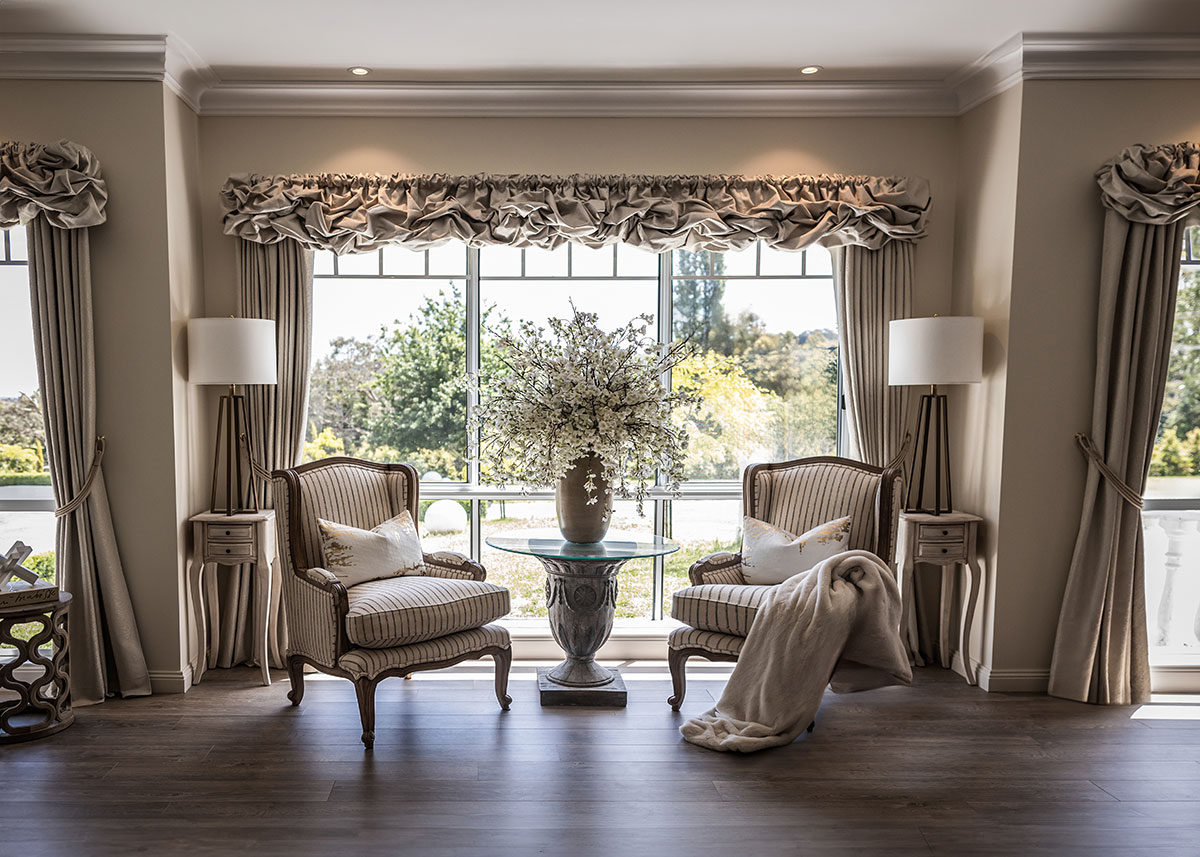
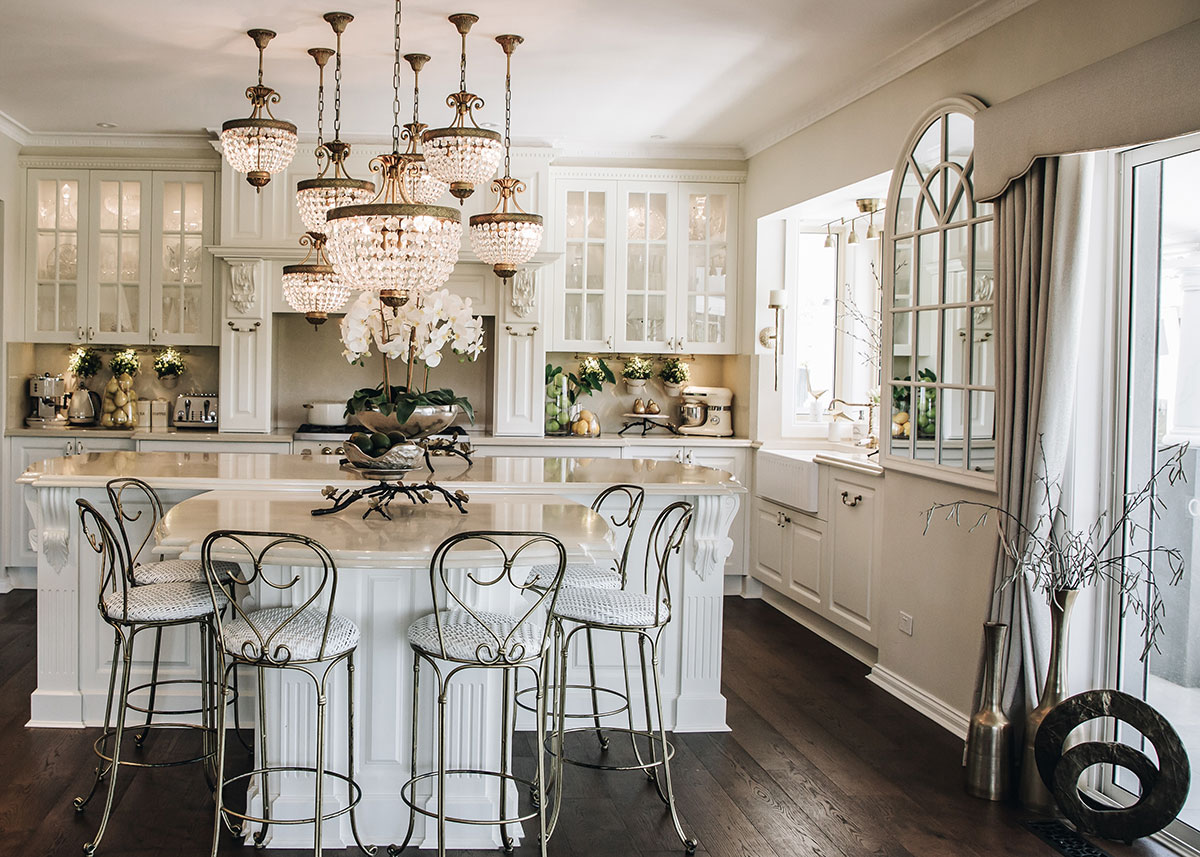
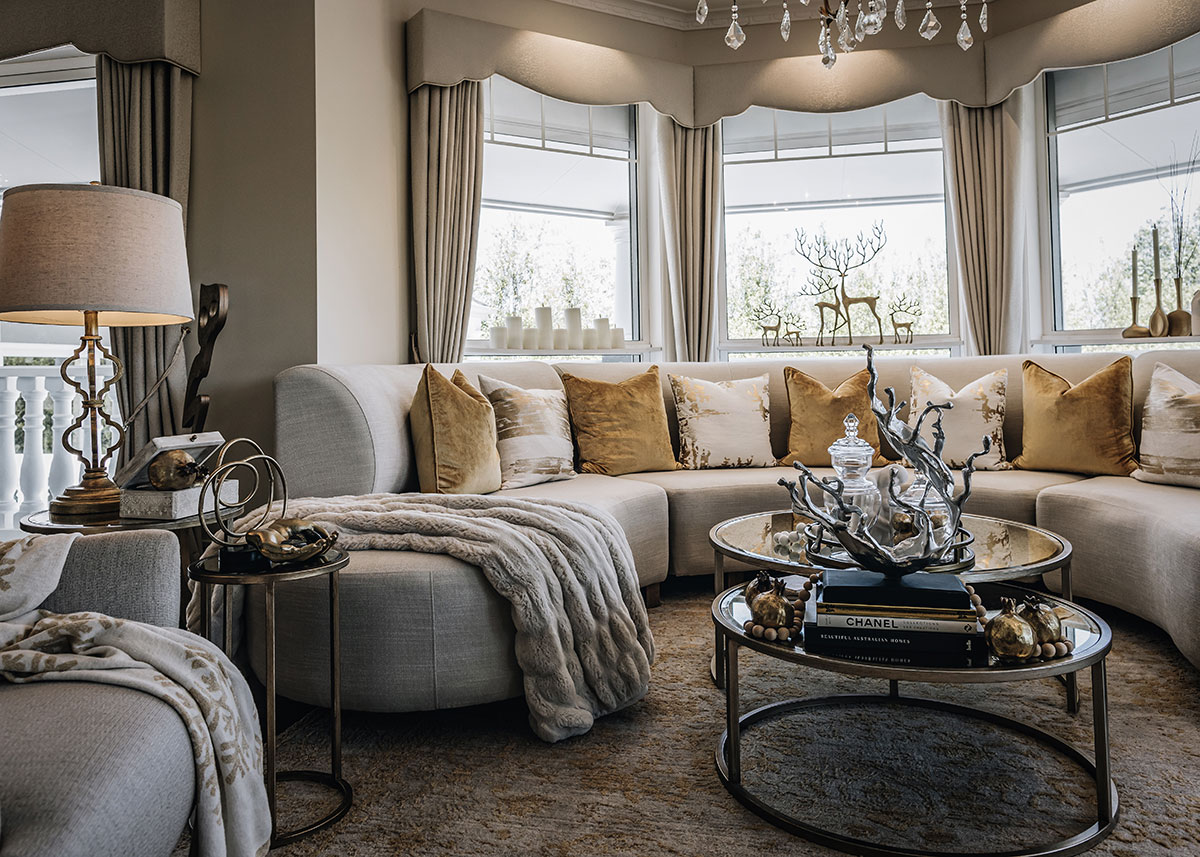
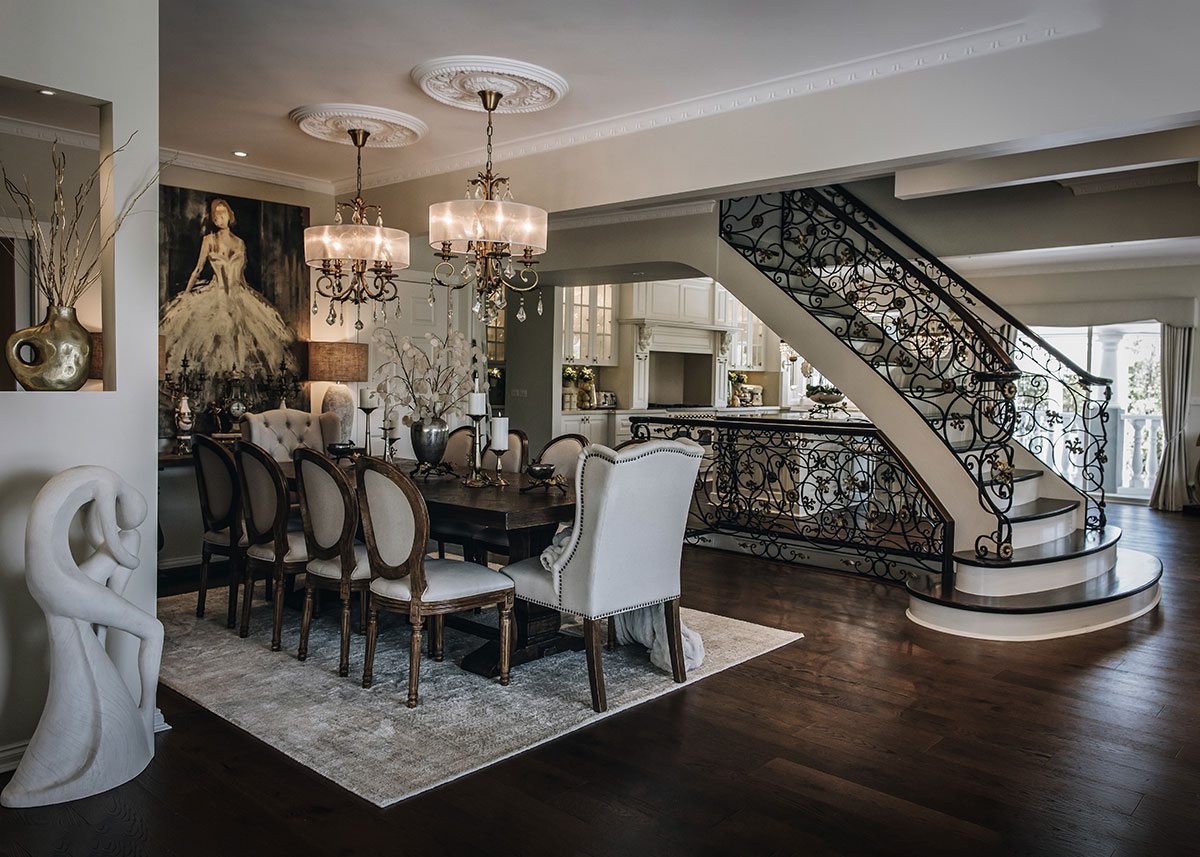
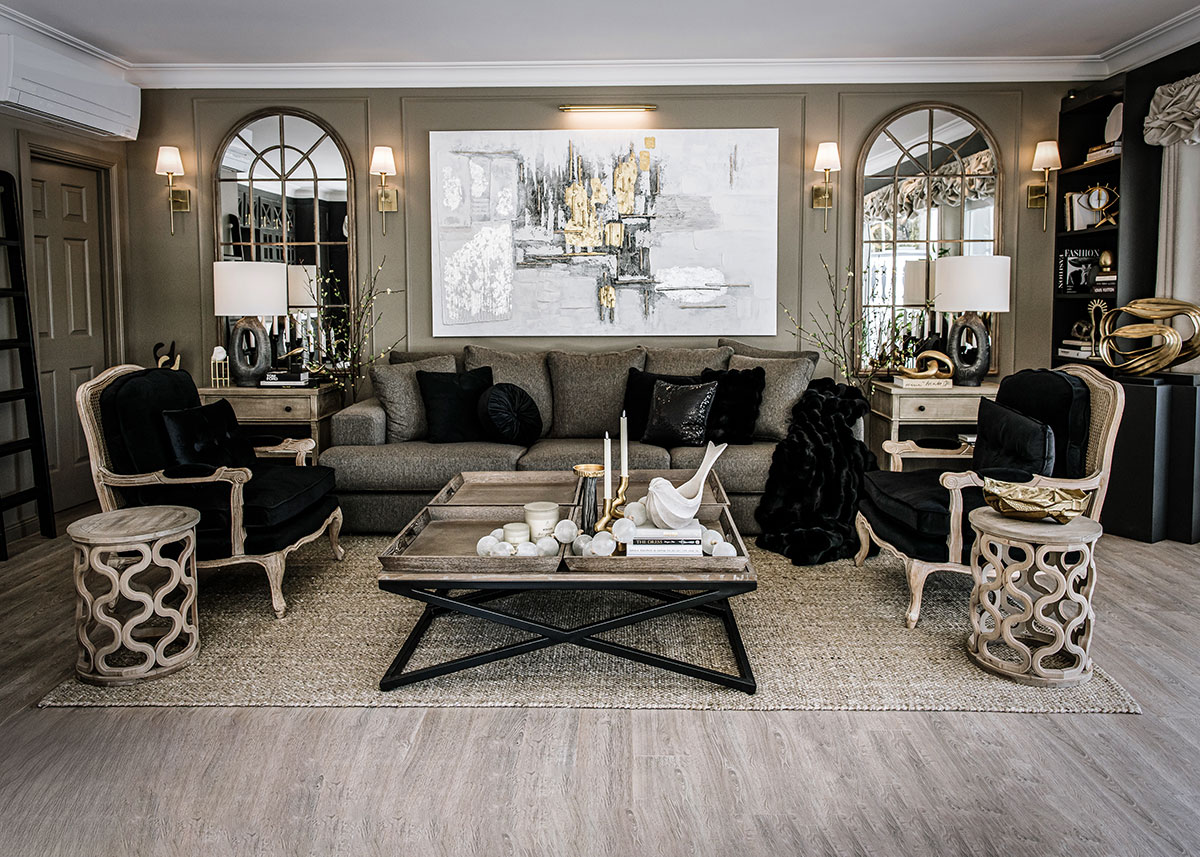
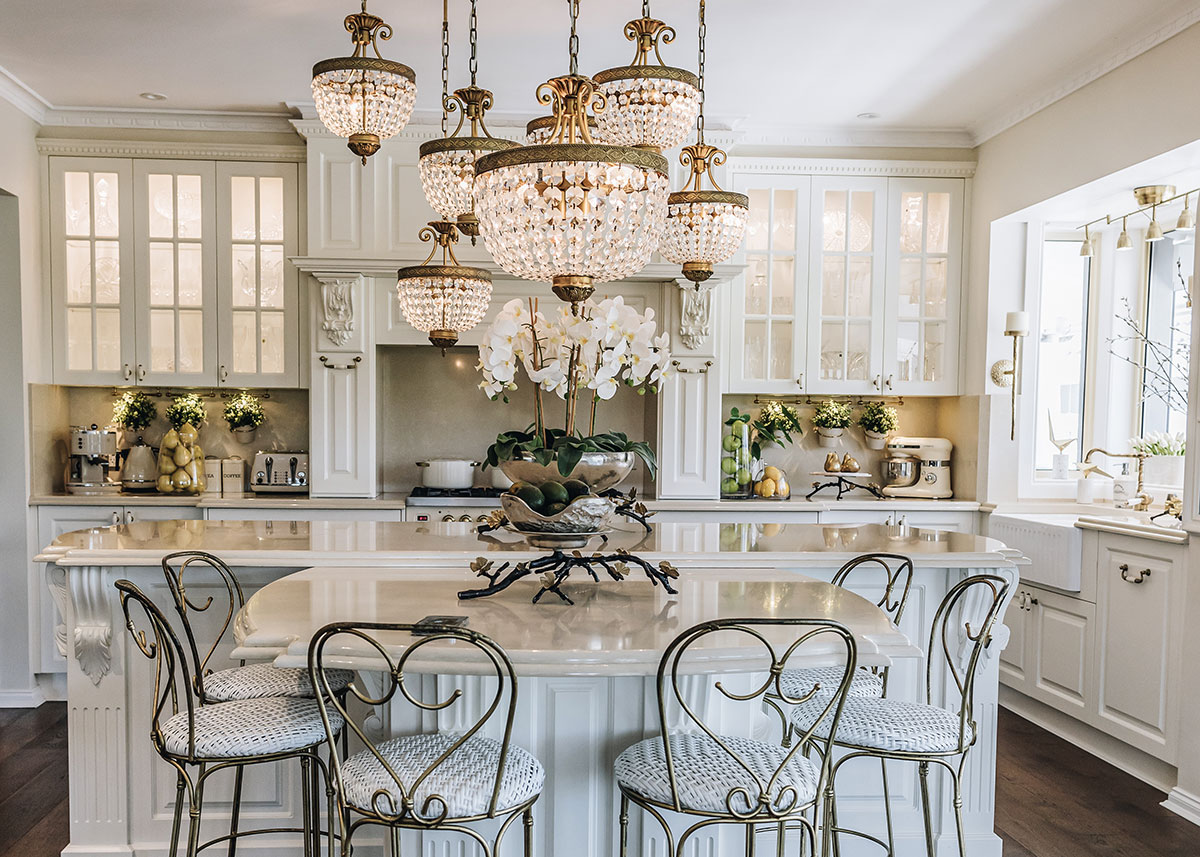
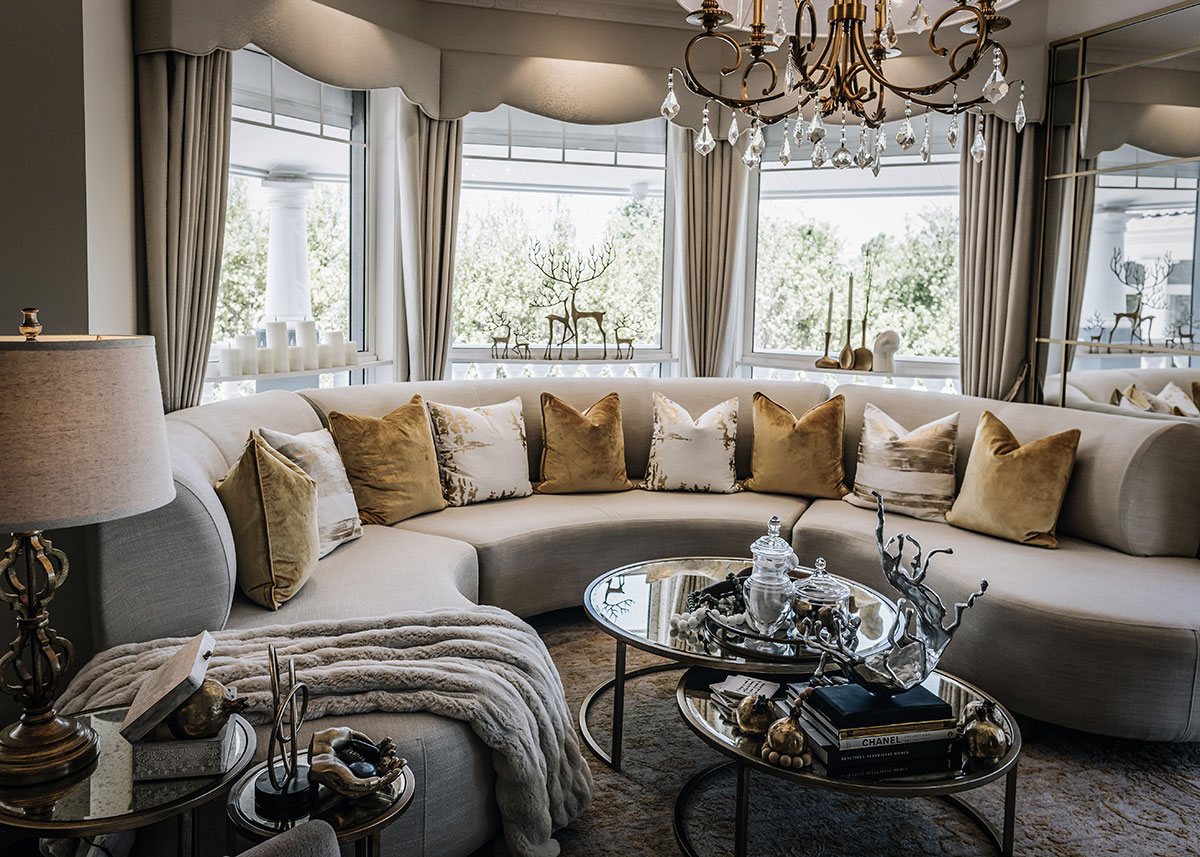
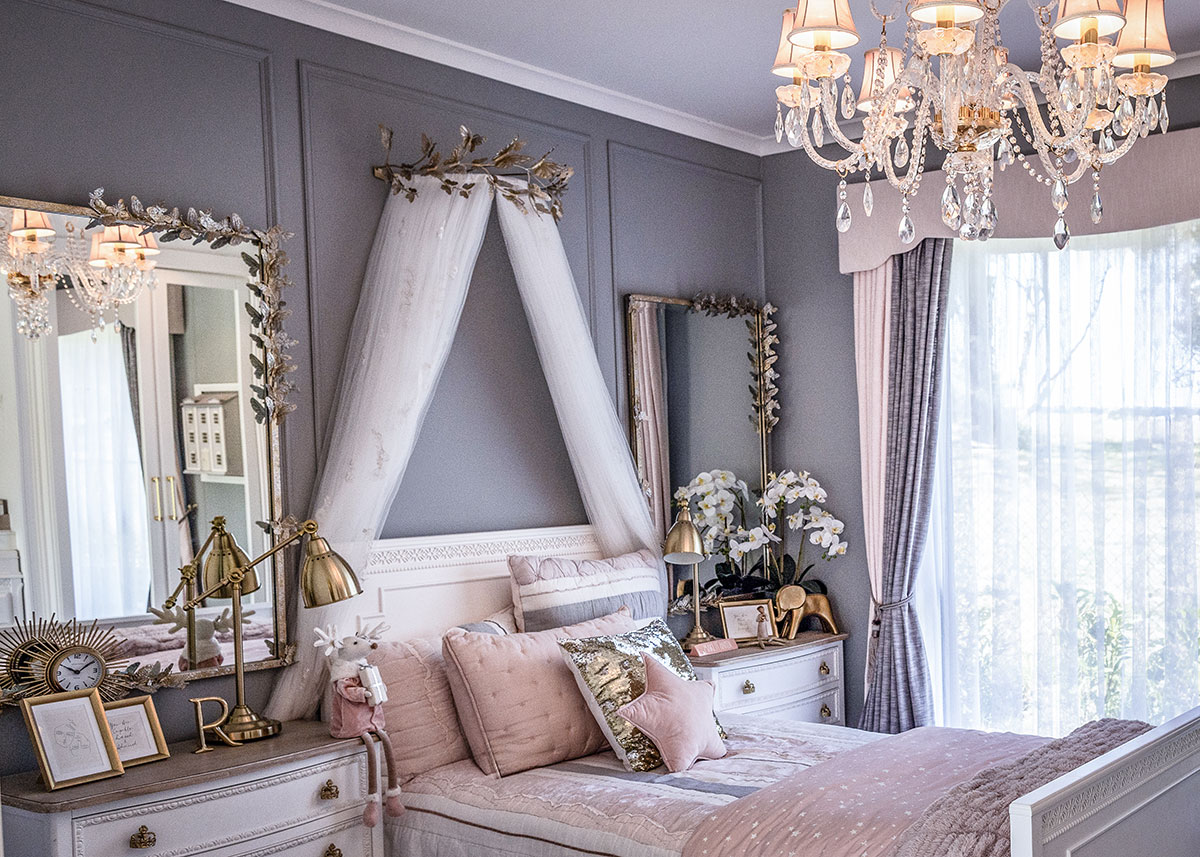
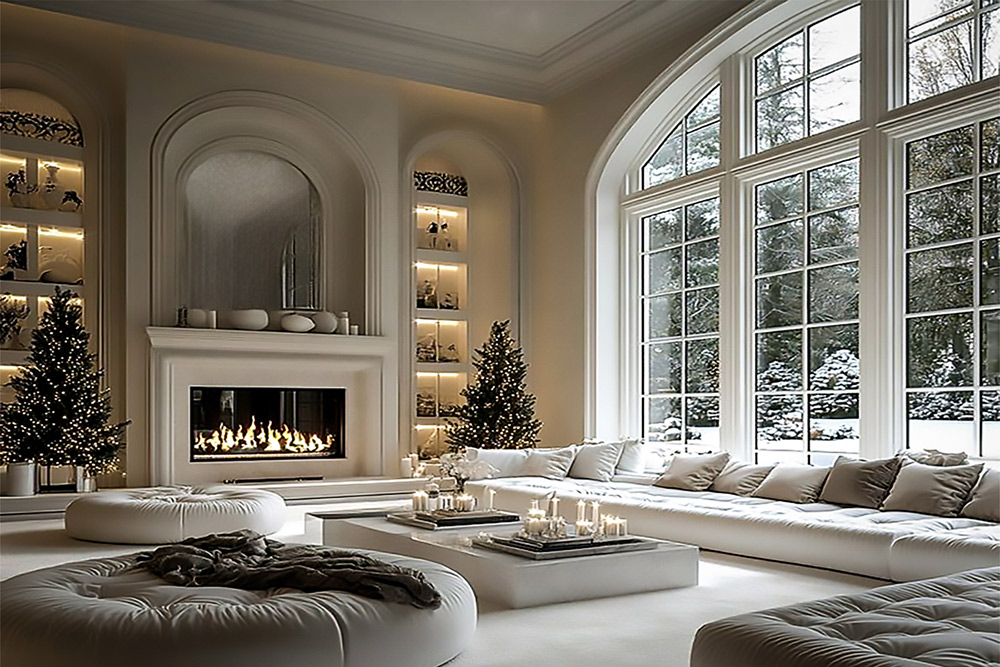
Light, unified colour schemes instantly create visual continuity the key to perceived spatial expansion. Soft neutrals, gentle greys, warm creams and pale taupes bounce light throughout a room, blurring boundaries and creating flow. Avoid harsh contrasts between walls and ceilings; instead, choose hues that extend upwards so your eye travels effortlessly around the space.
2. Invest in Strategic Lighting
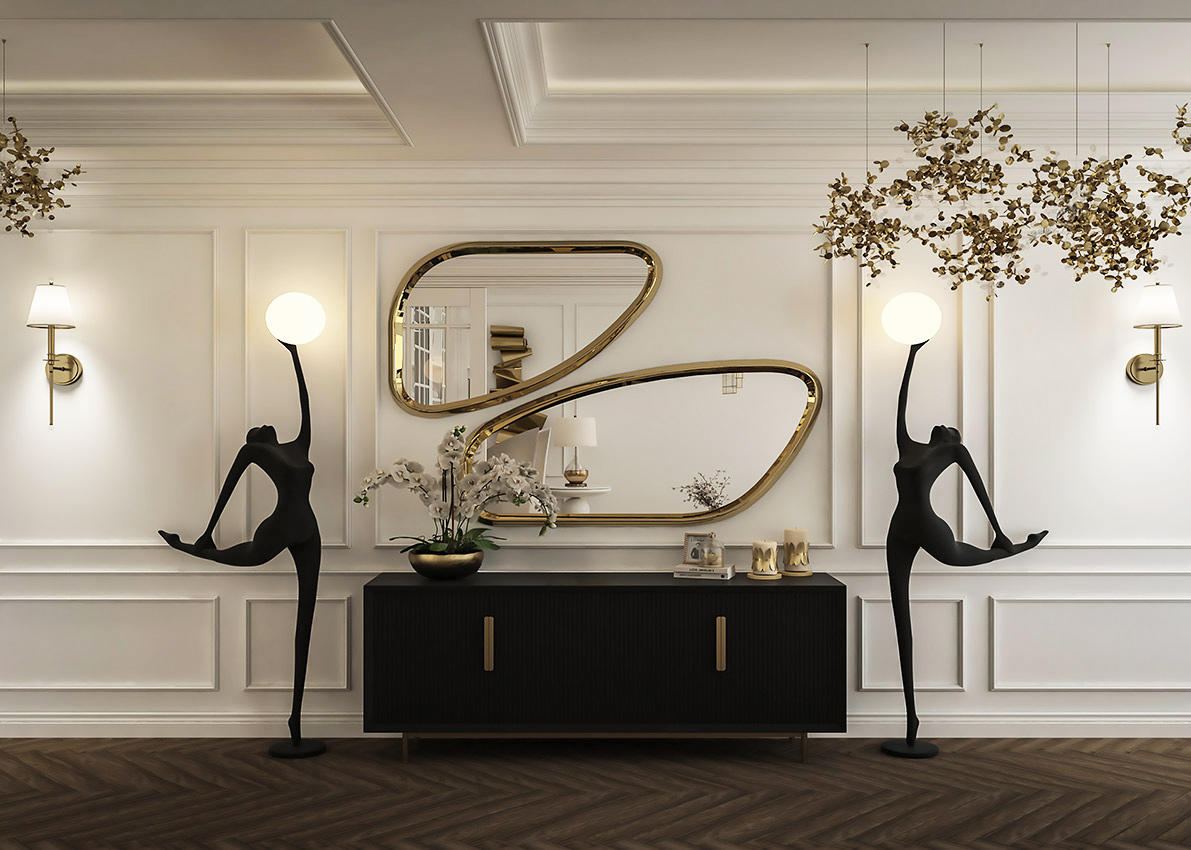
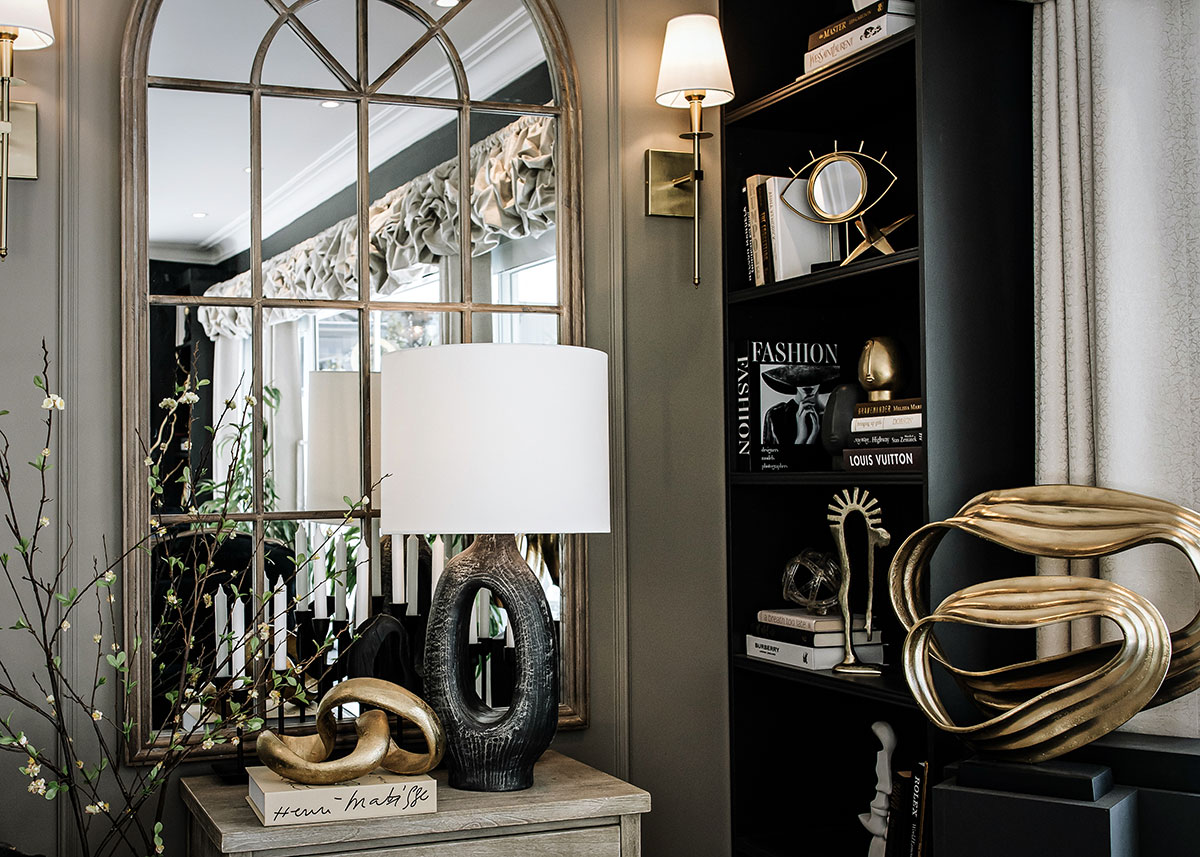
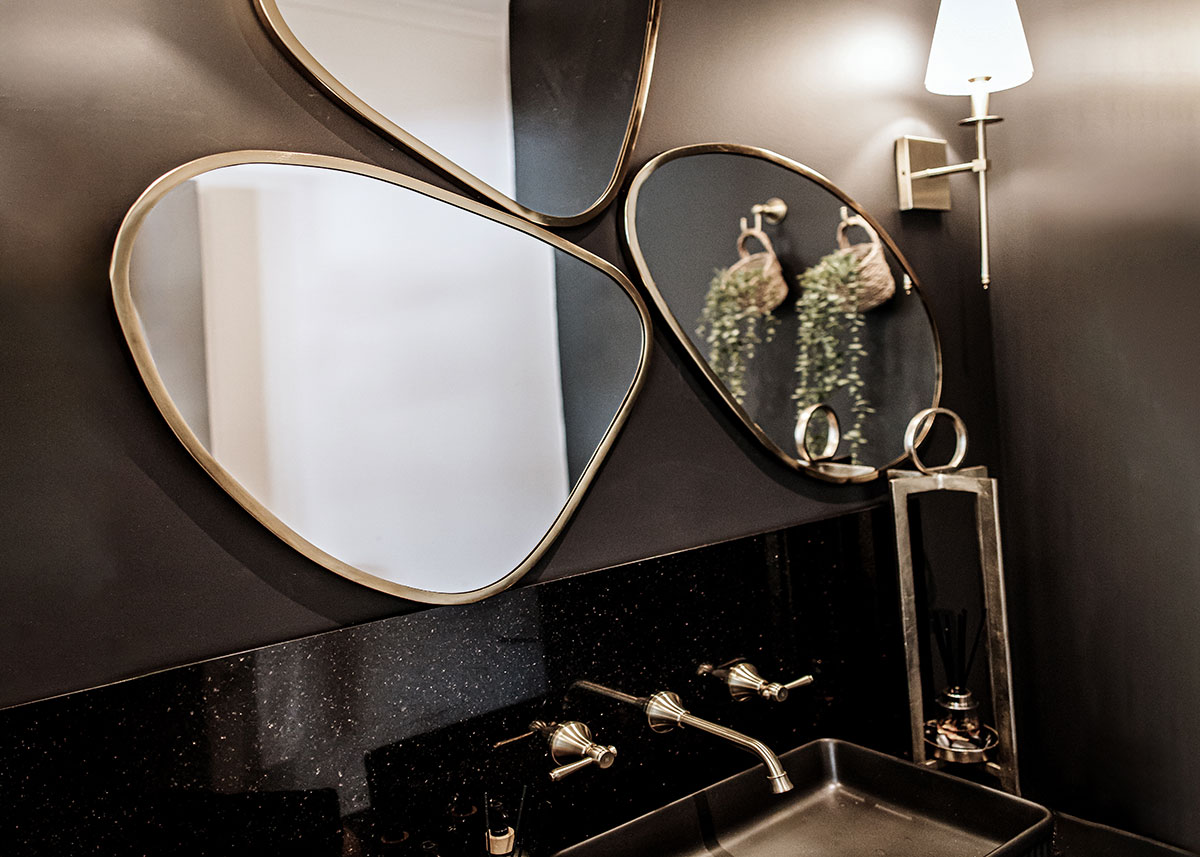
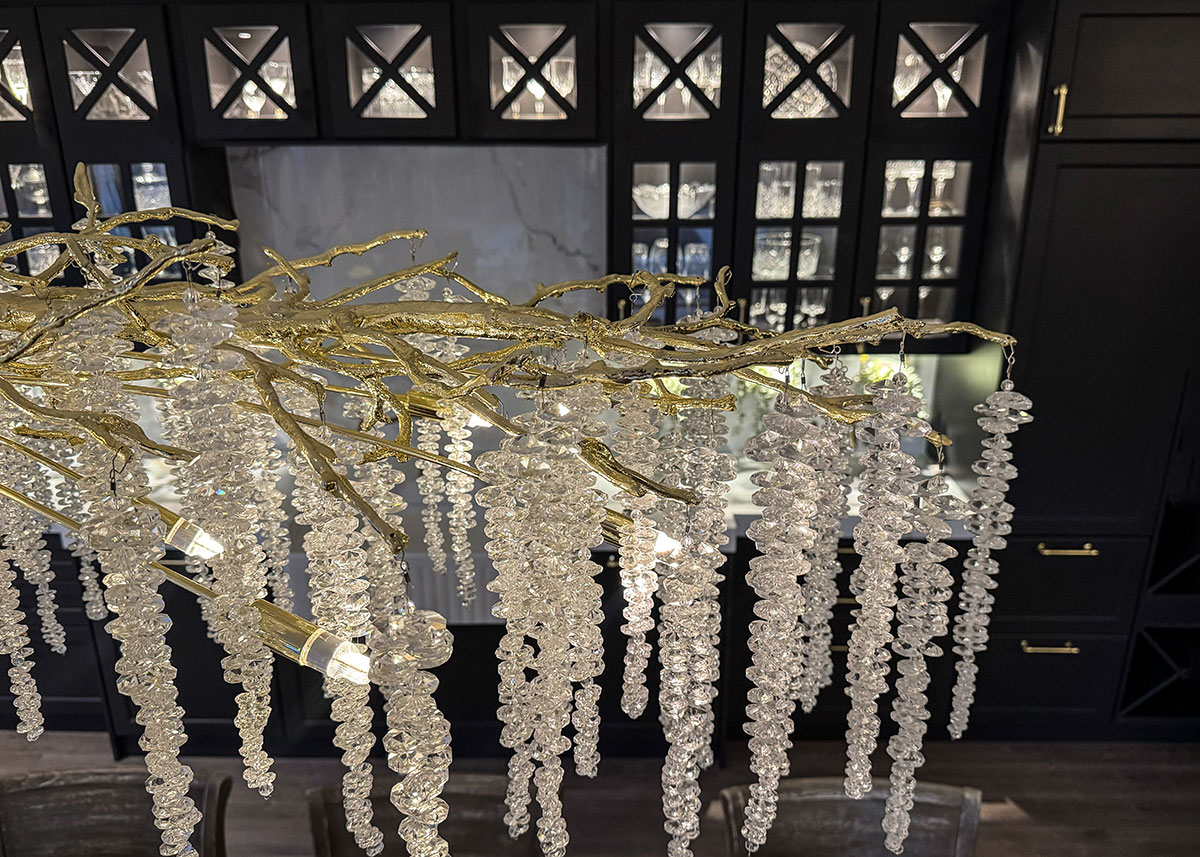
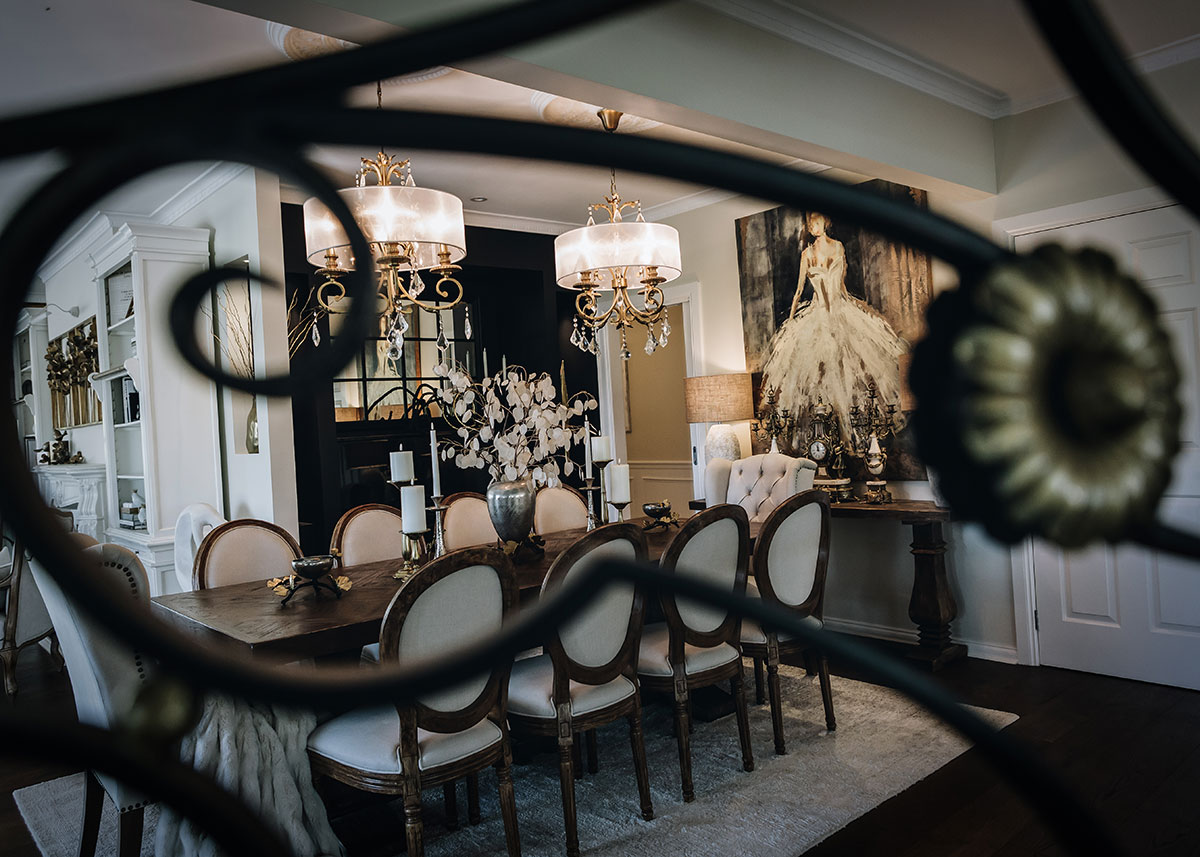
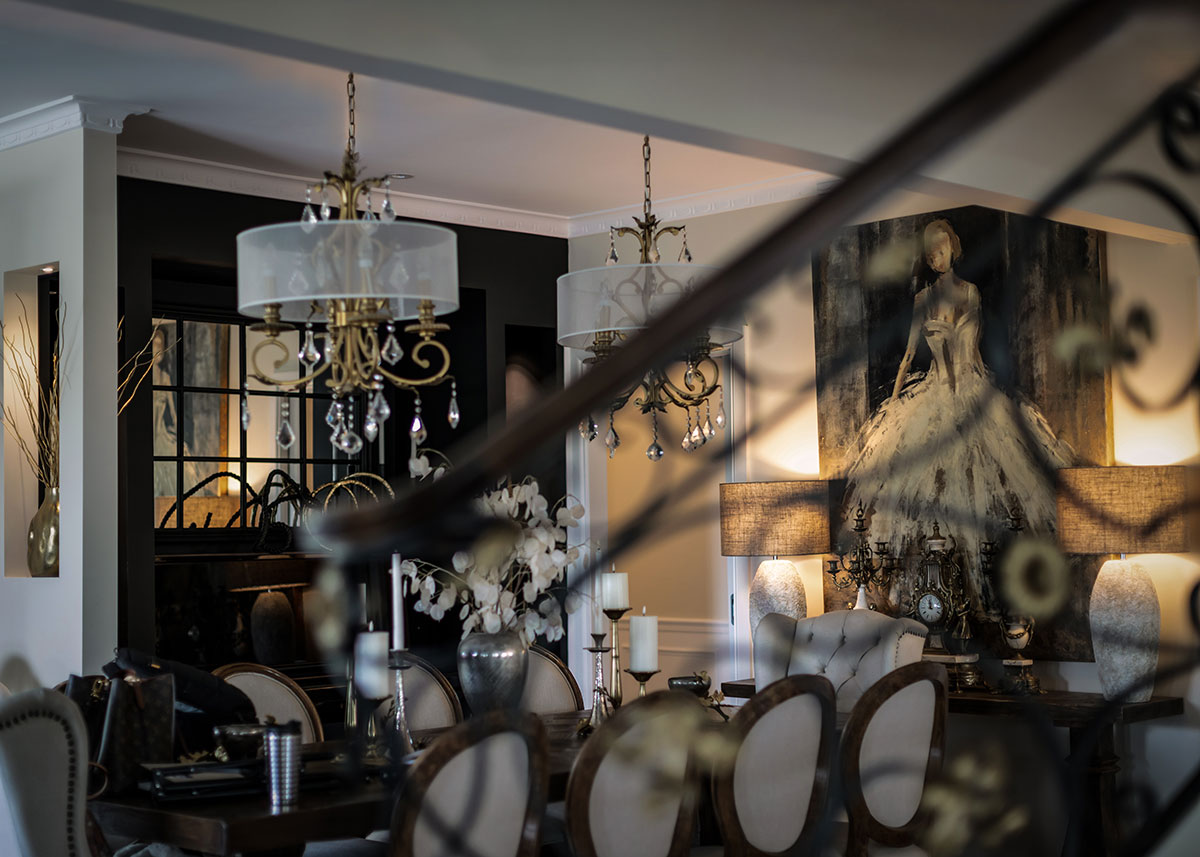
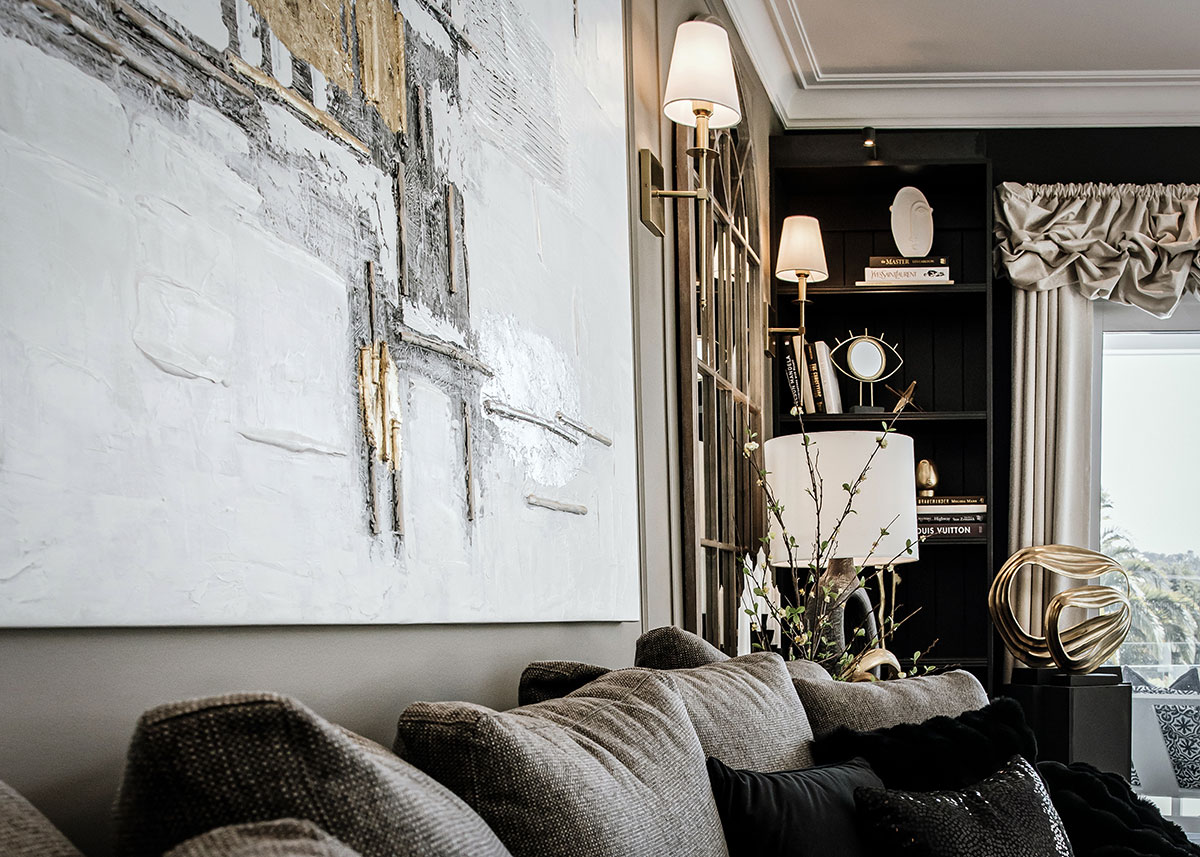
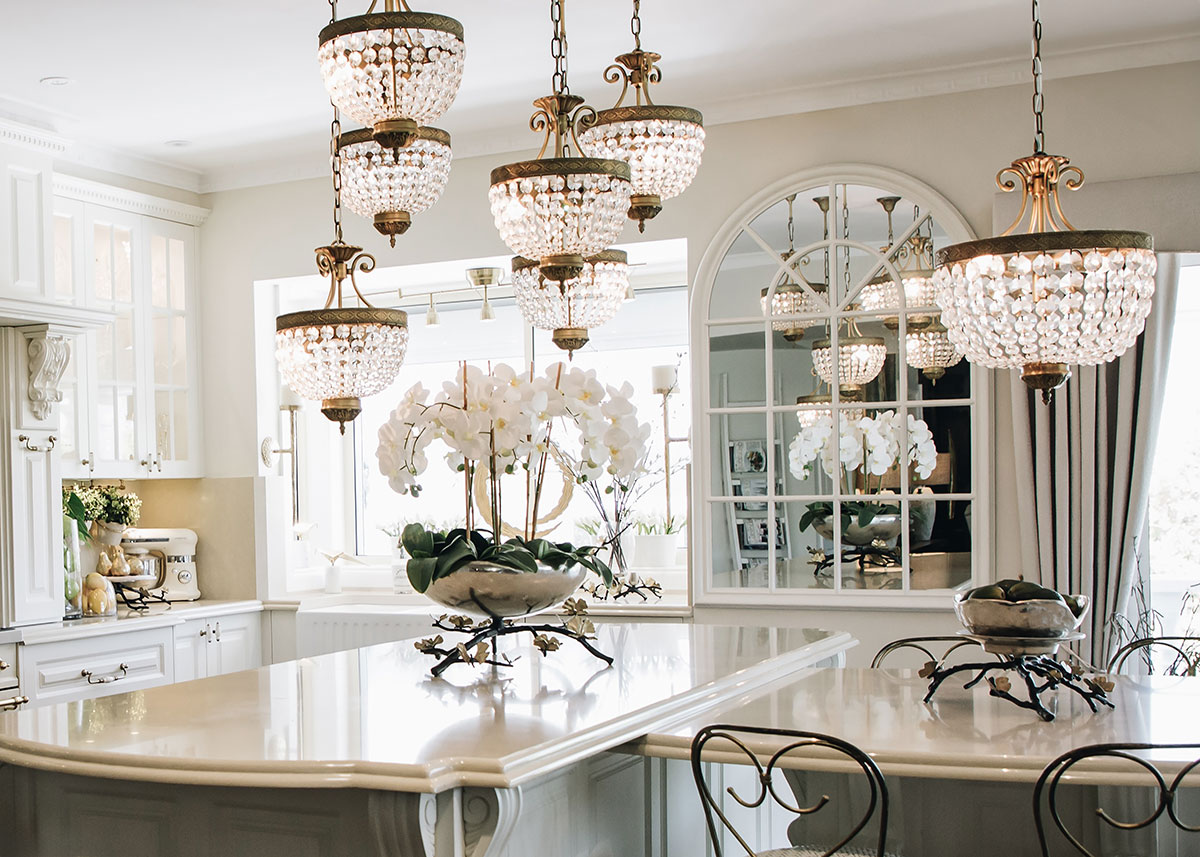
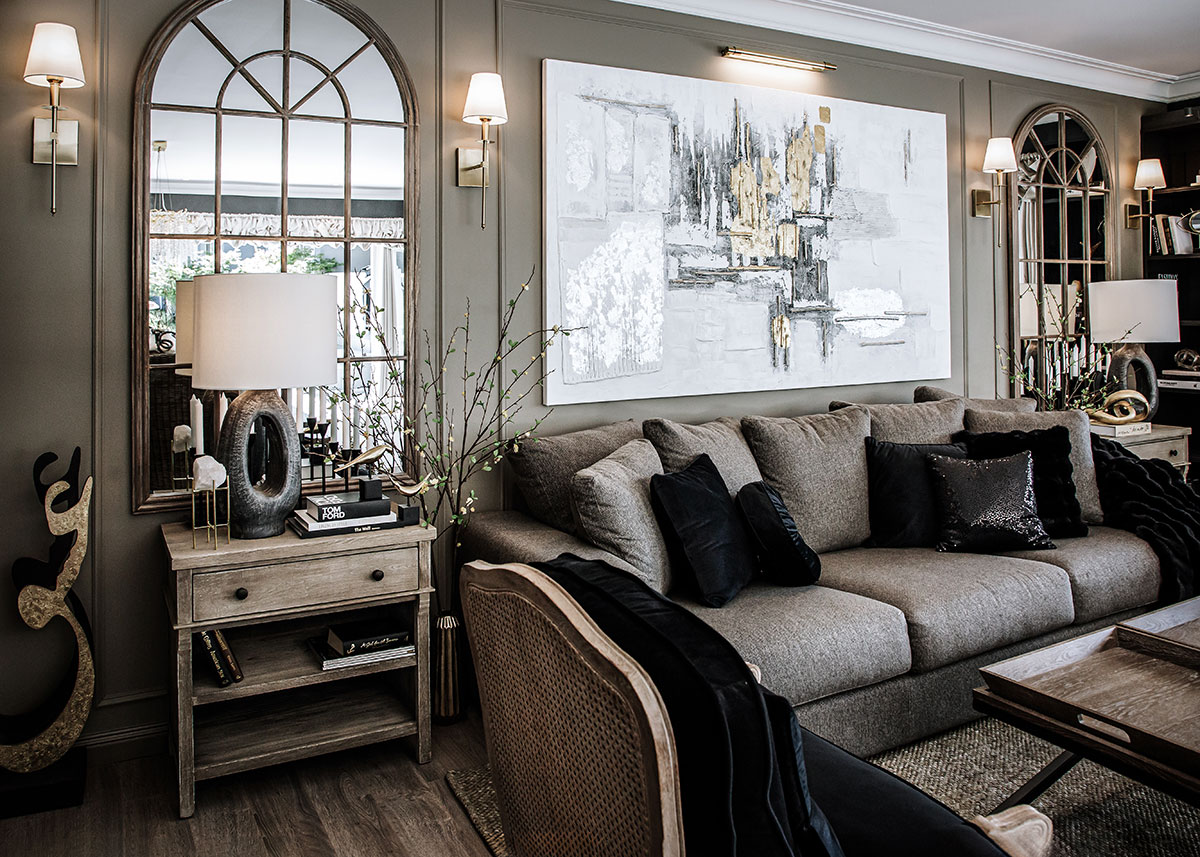
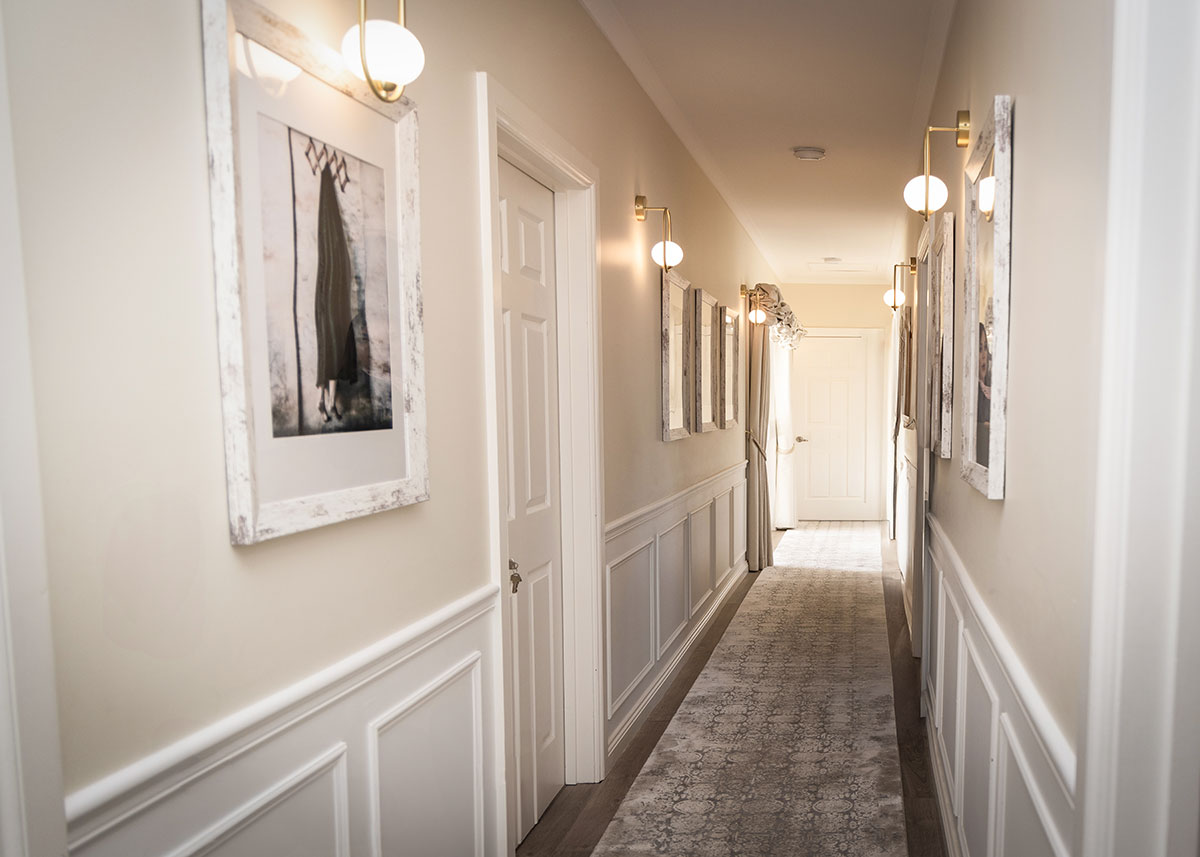
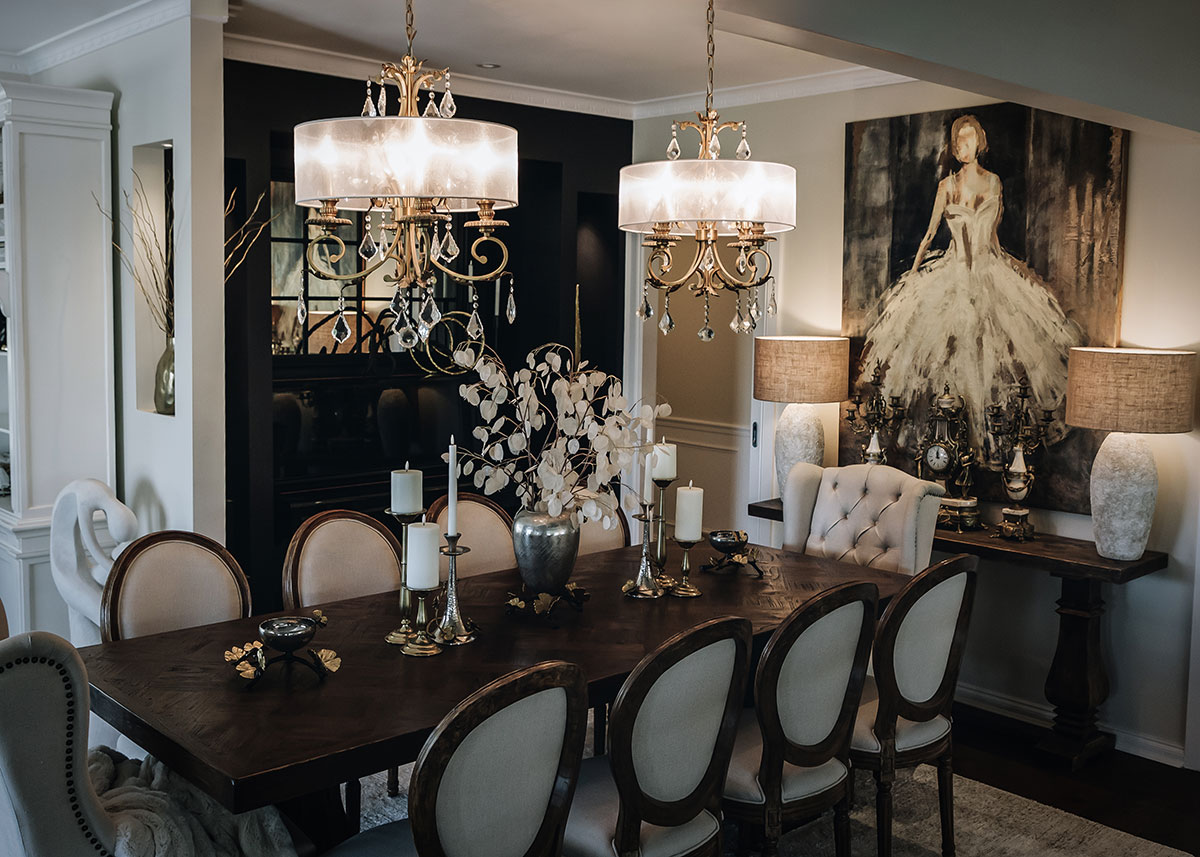
Layered lighting ambient, task and accent can change how a room feels at every hour of the day. Recessed lighting or wall-mounted sconces reduce shadows that make corners feel closed in, while floor lamps brighten darker areas without eating into valuable floor space. Always use multiple light sources instead of relying solely on a central overhead fixture.
3. Emphasise Vertical Lines
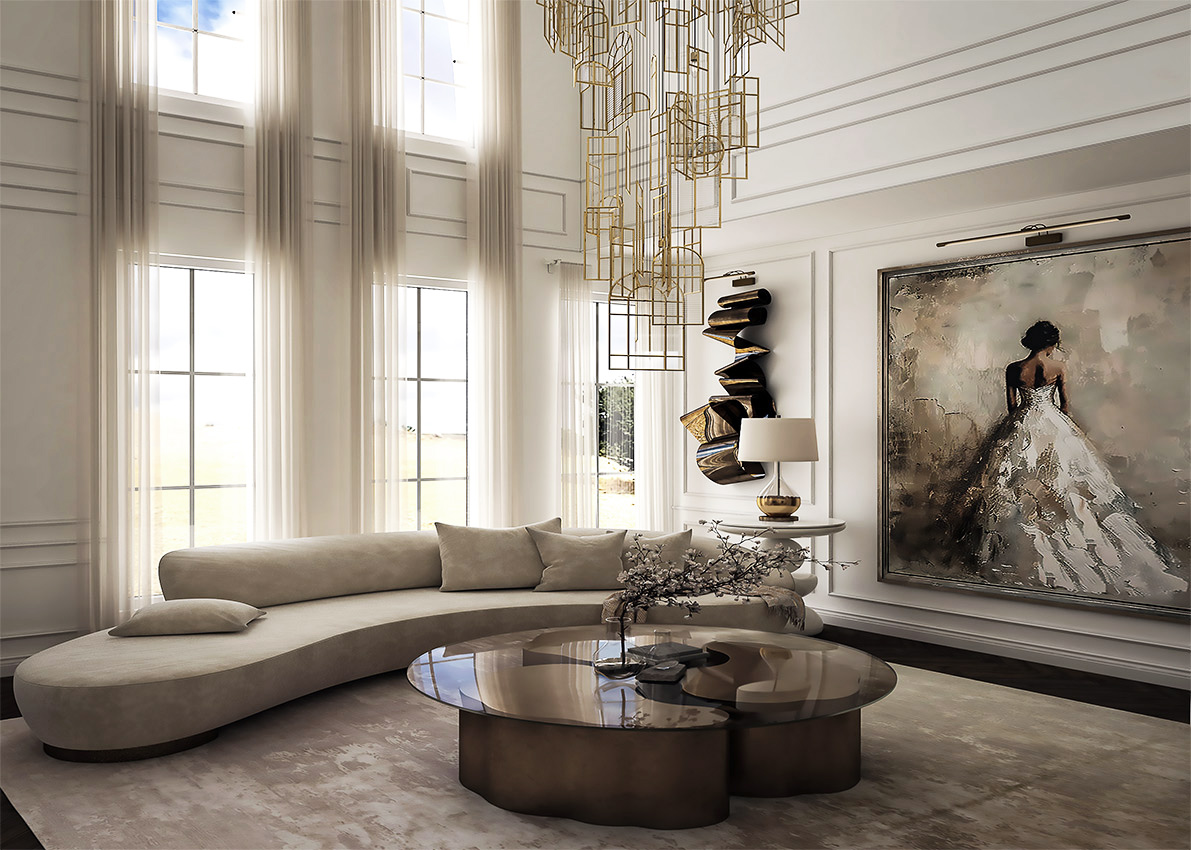
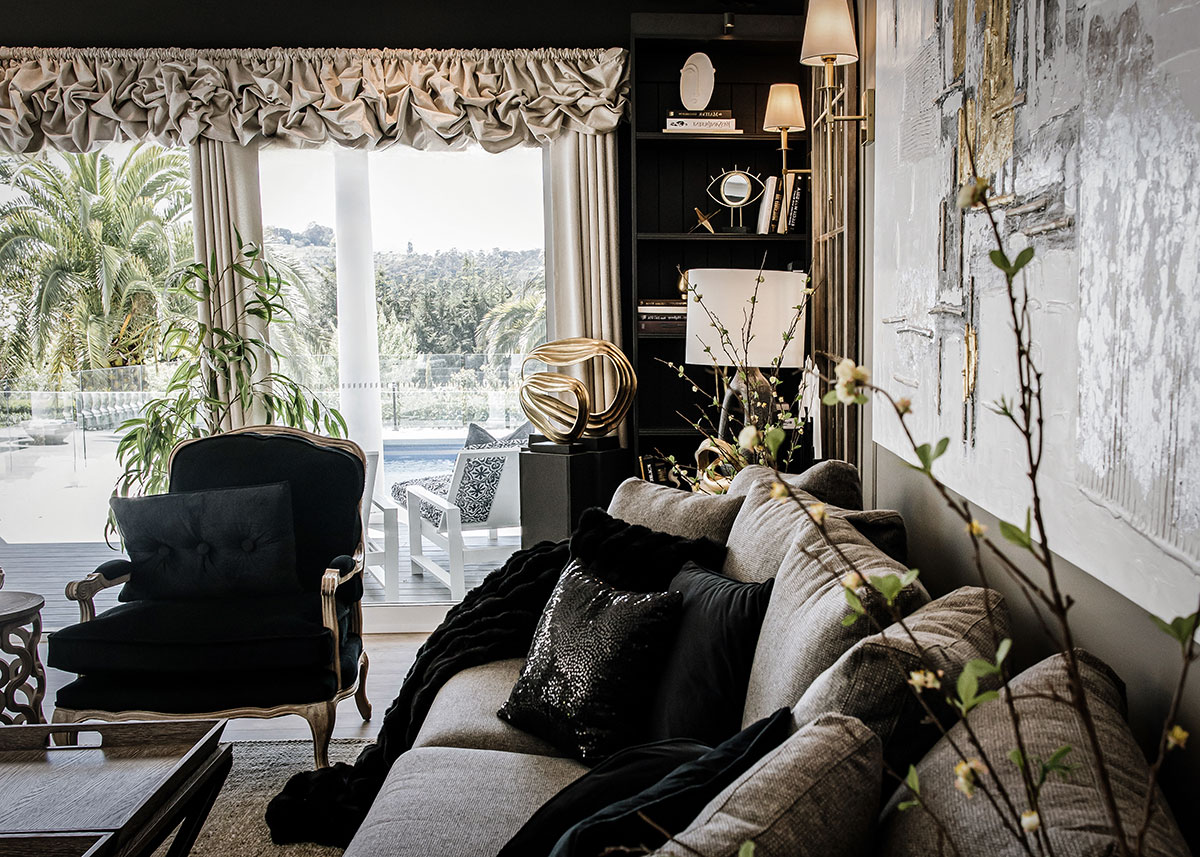
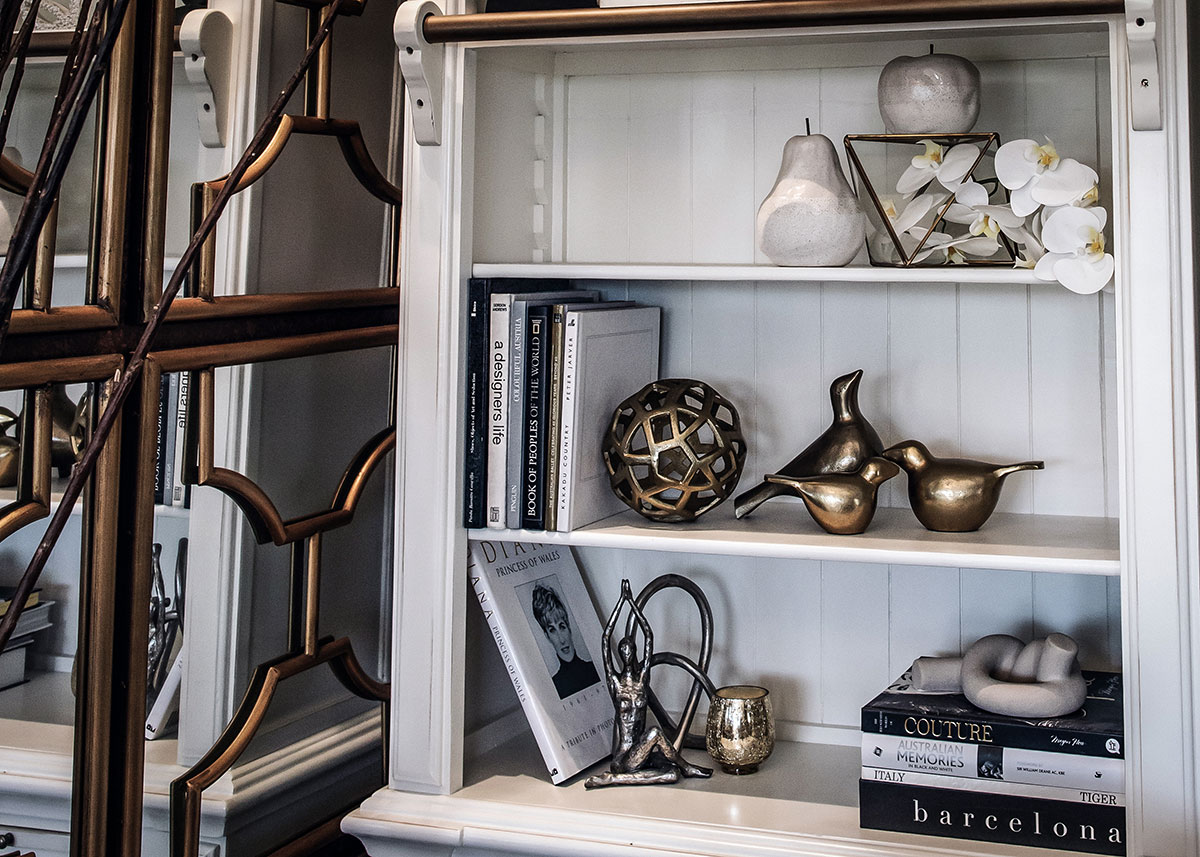
Draw the eye upwards to create a sense of height. Floor-to-ceiling drapes, tall shelving units, vertical panelling or even a row of wall art arranged in a vertical sequence all encourage visual height. This creates the sensation of expanded volume without changing square footage.
4. Mirror Magic
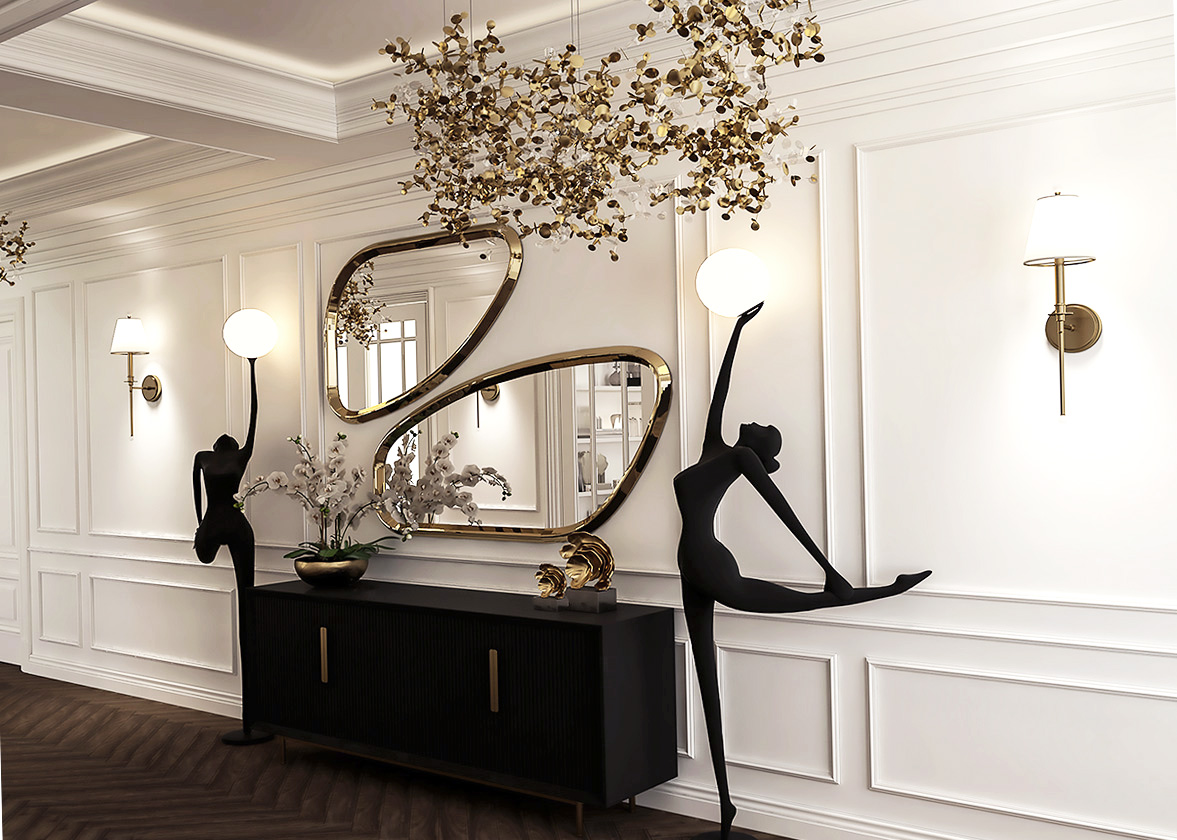
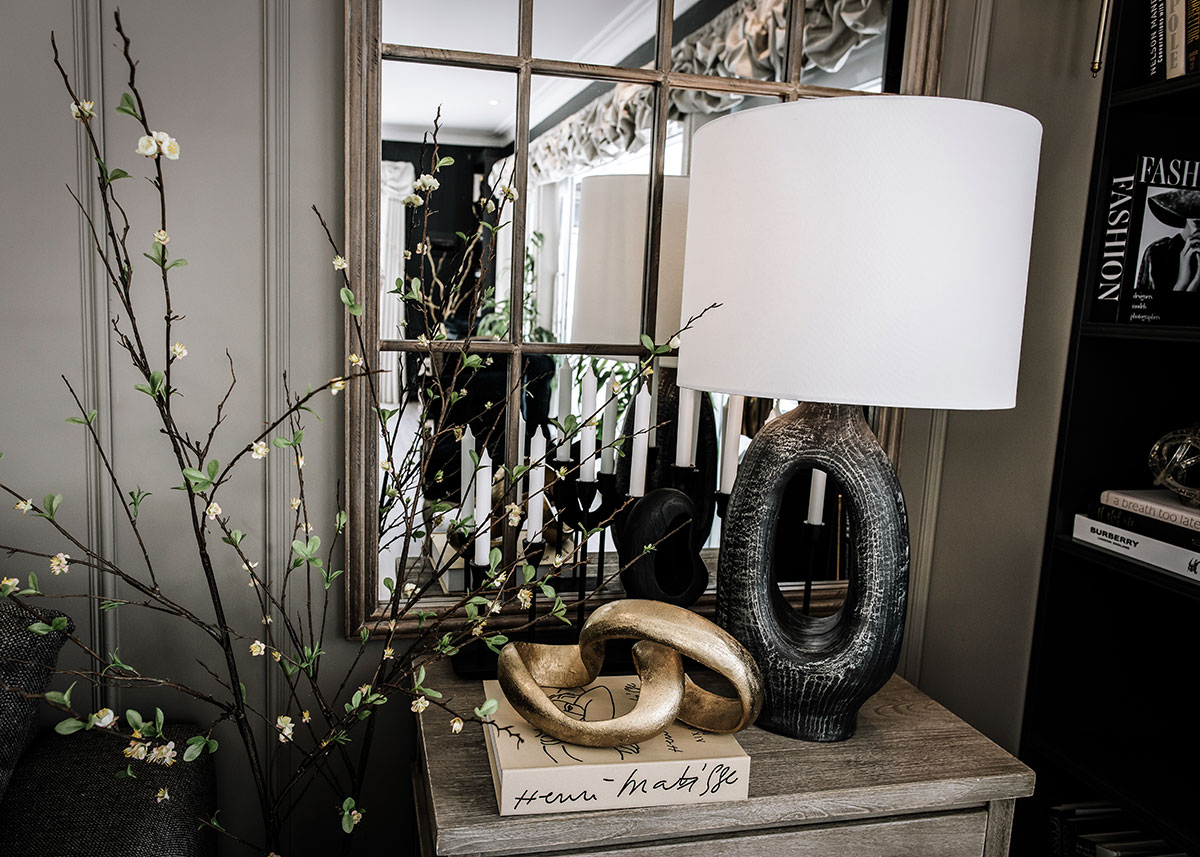
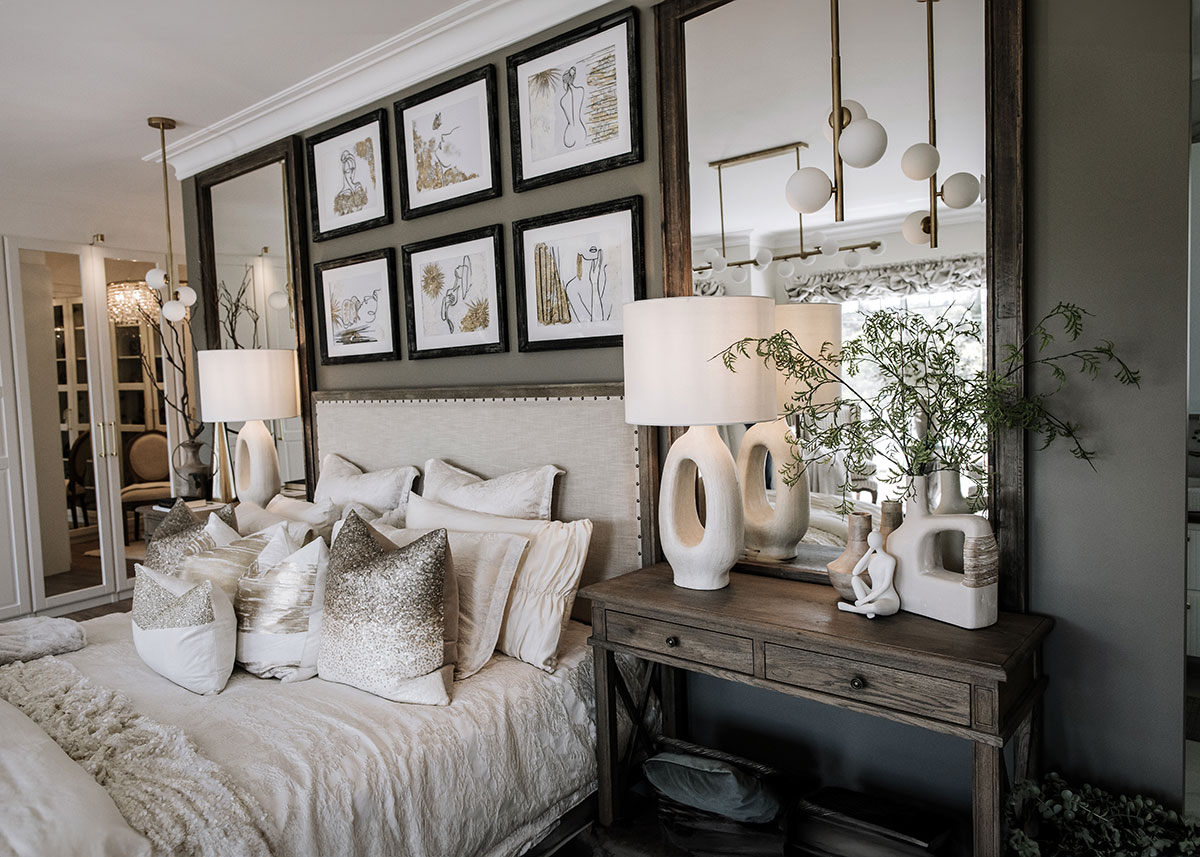
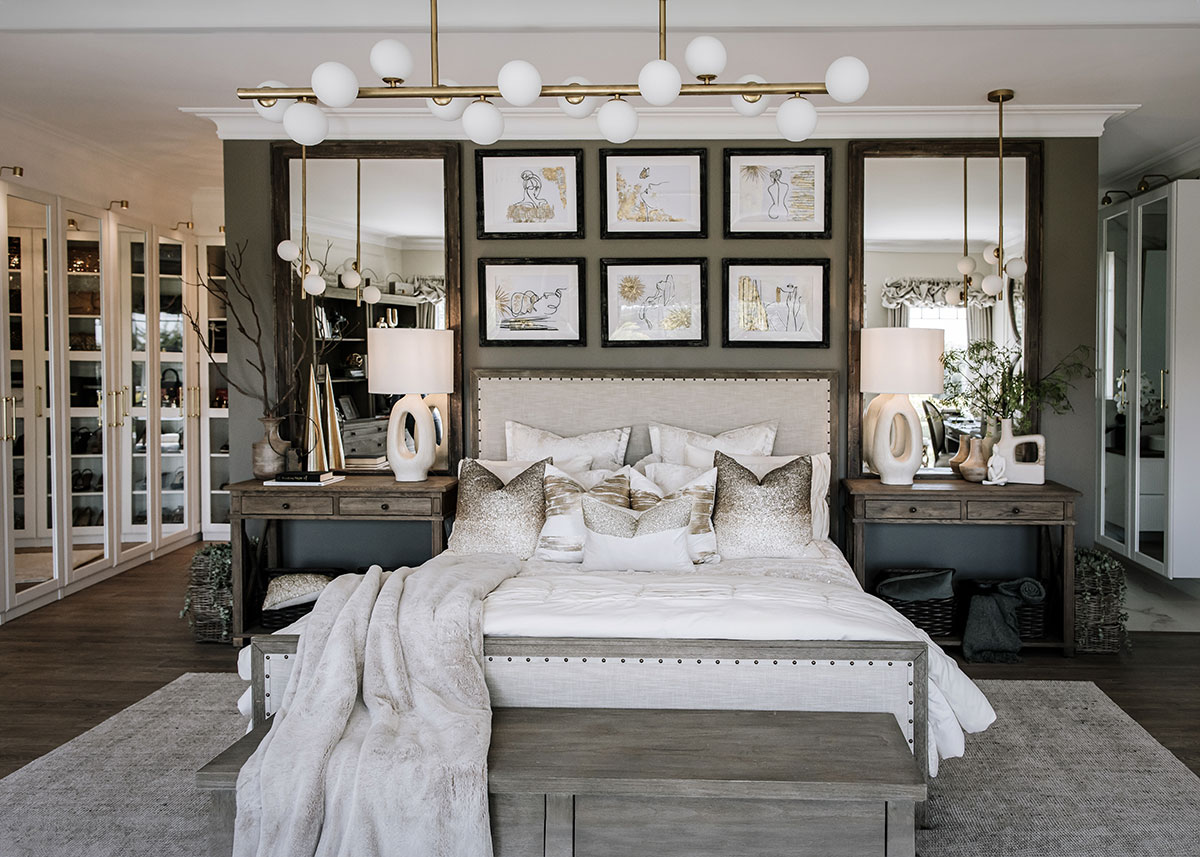
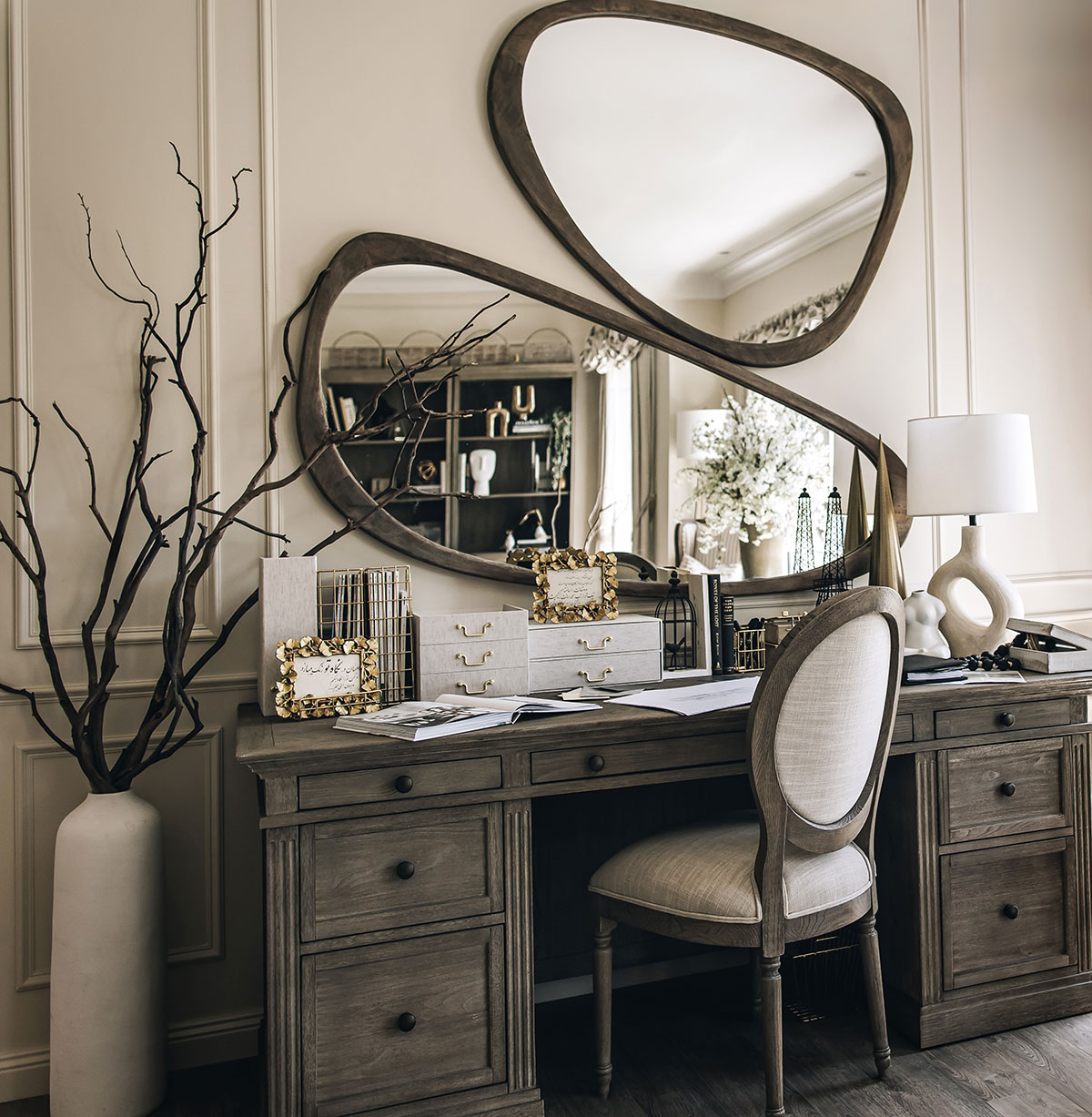
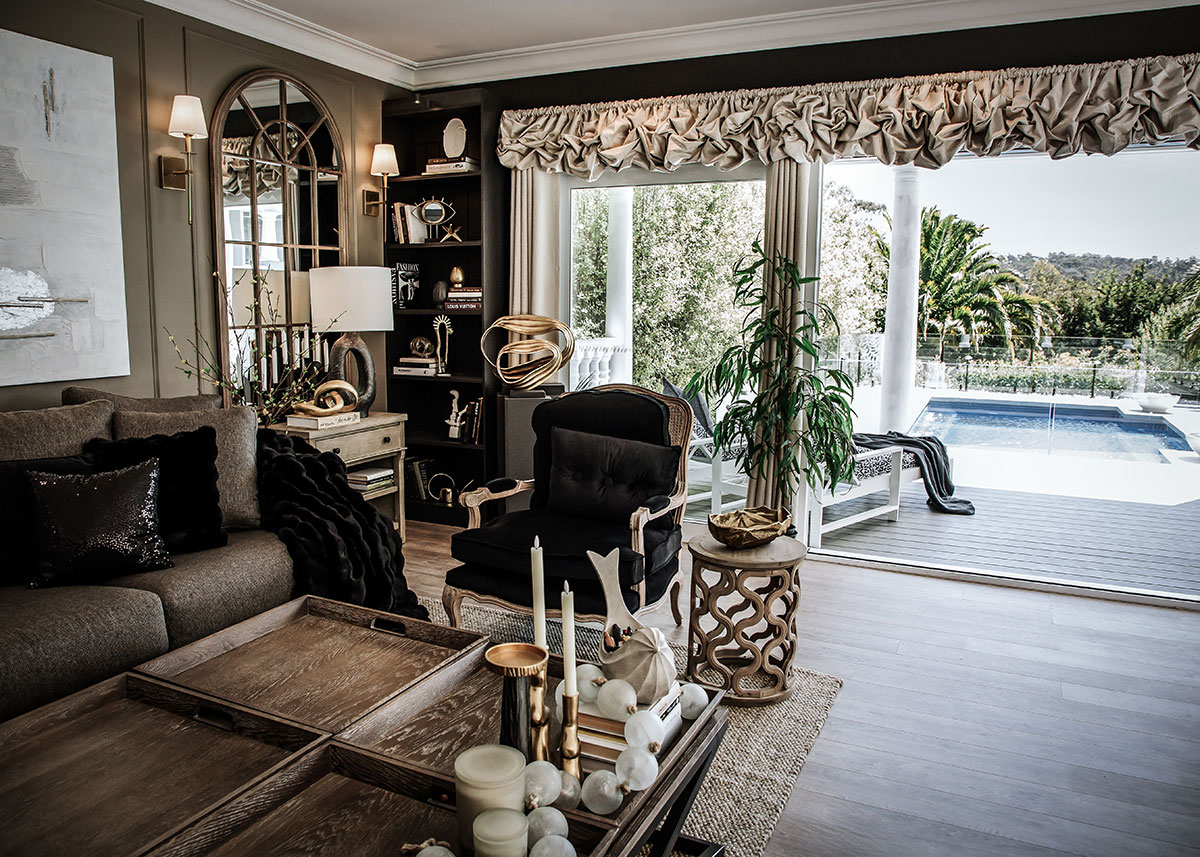
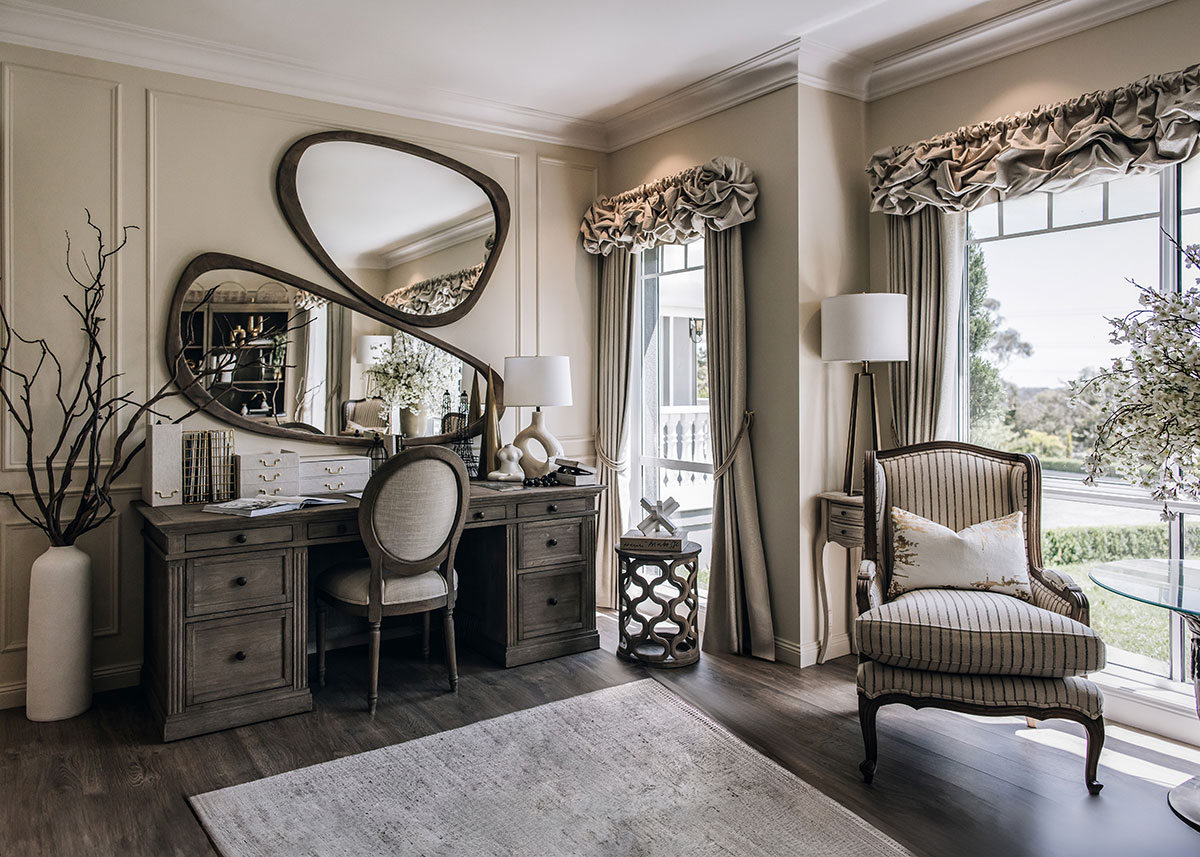
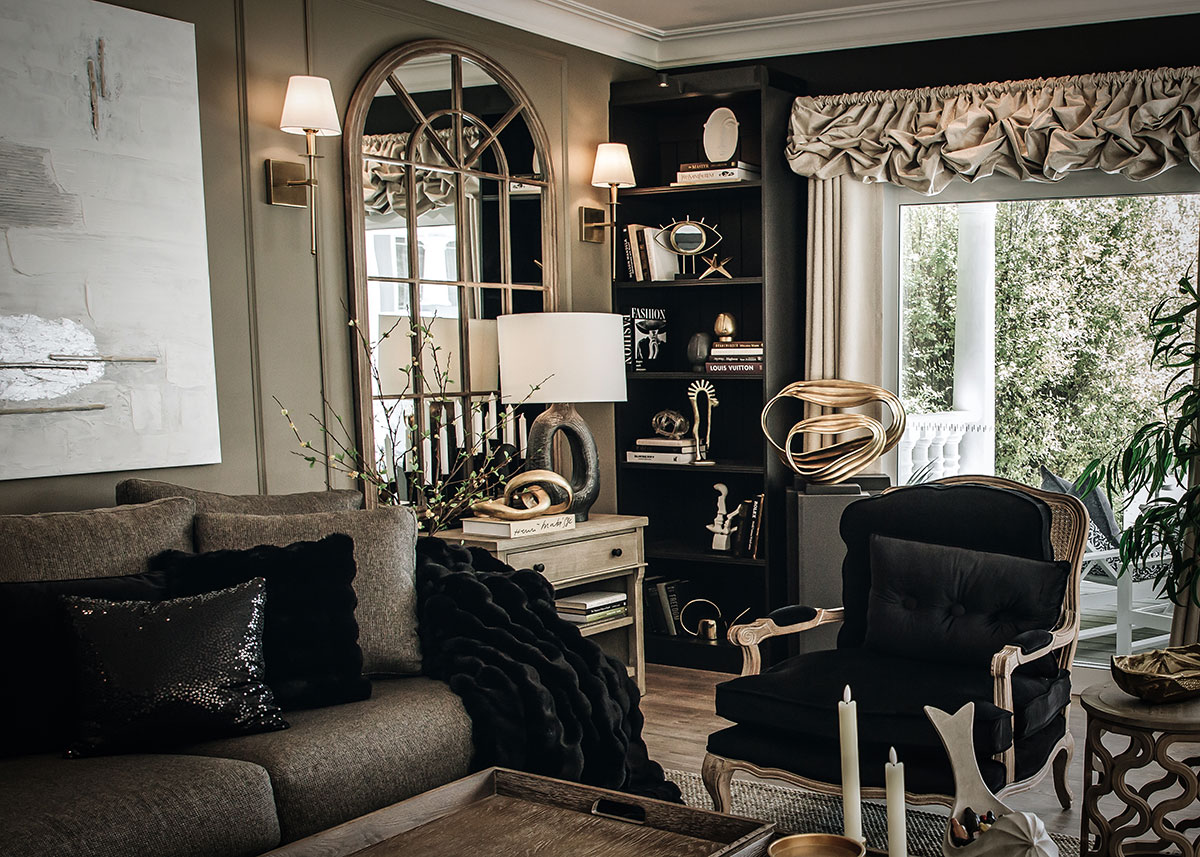
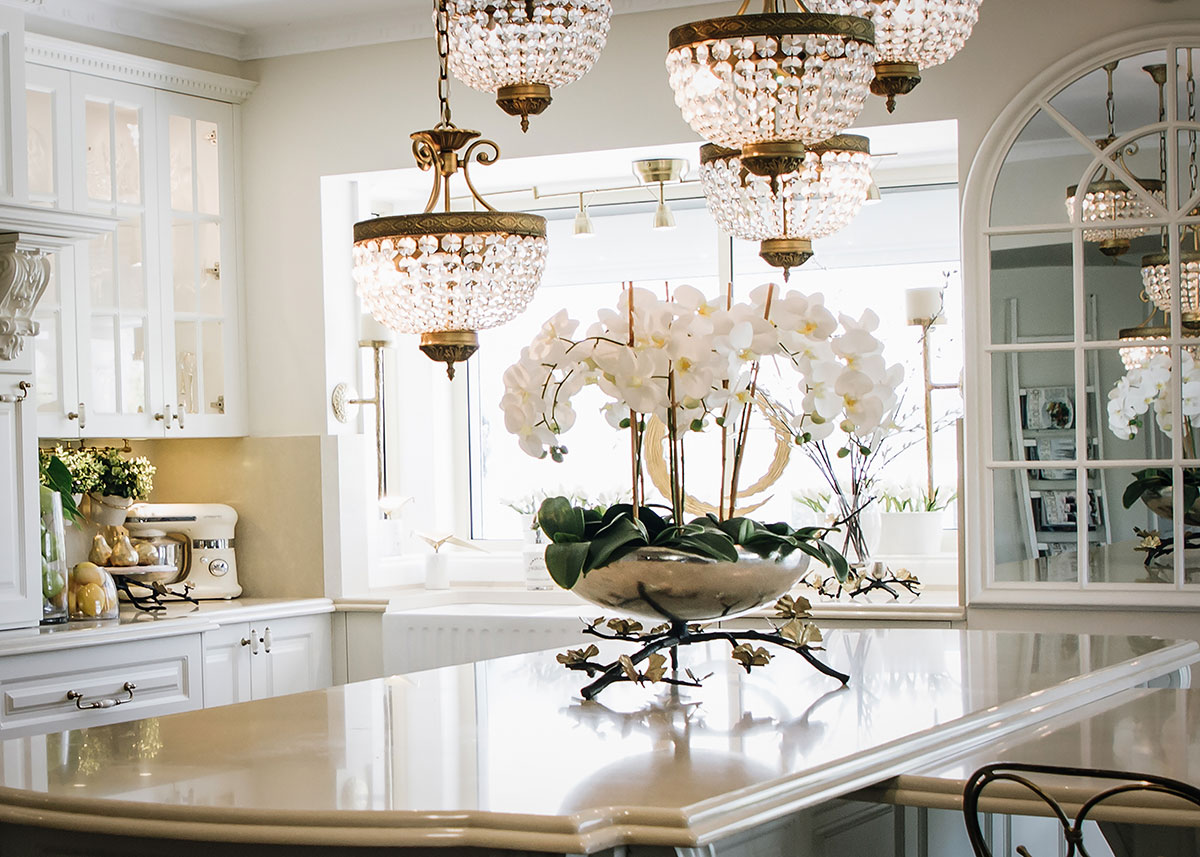
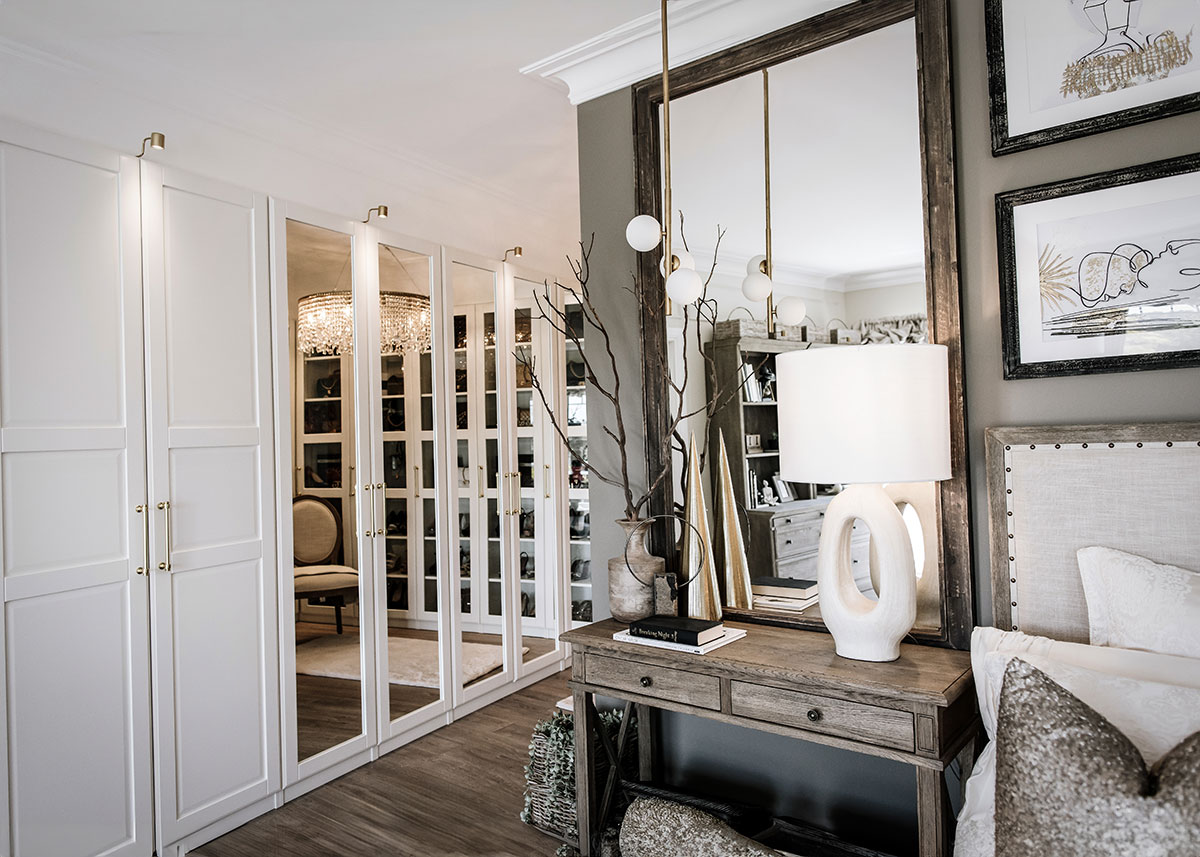
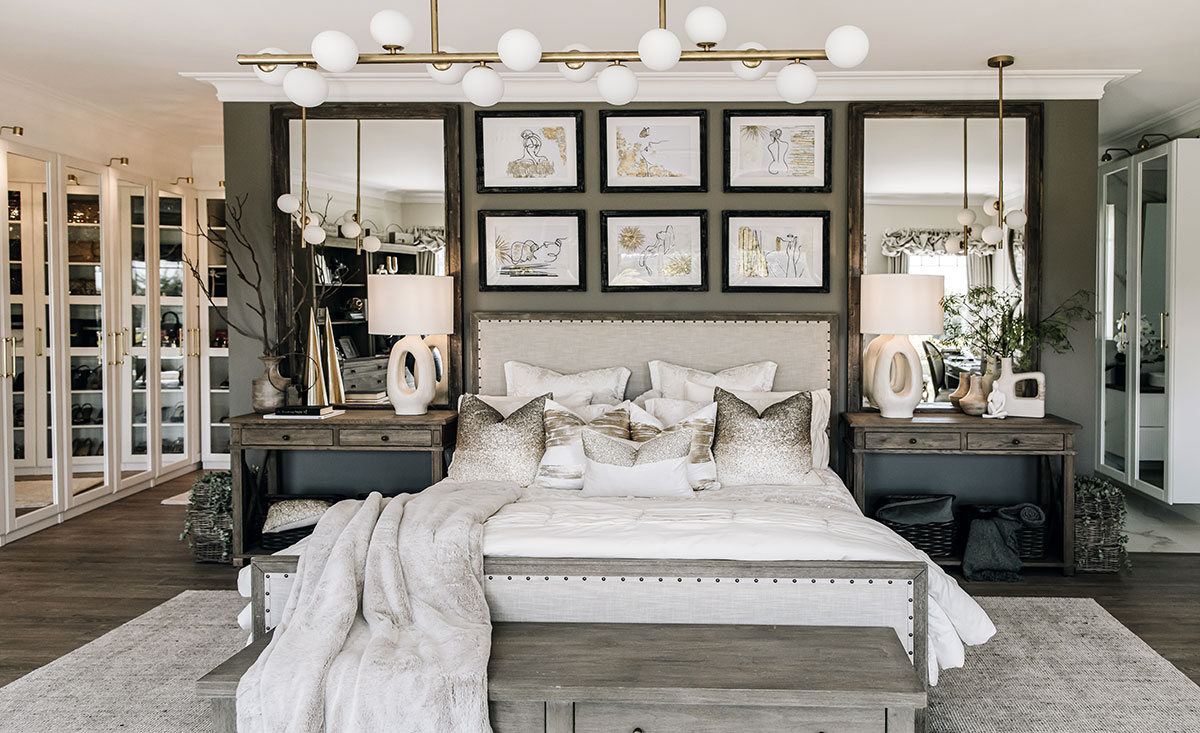
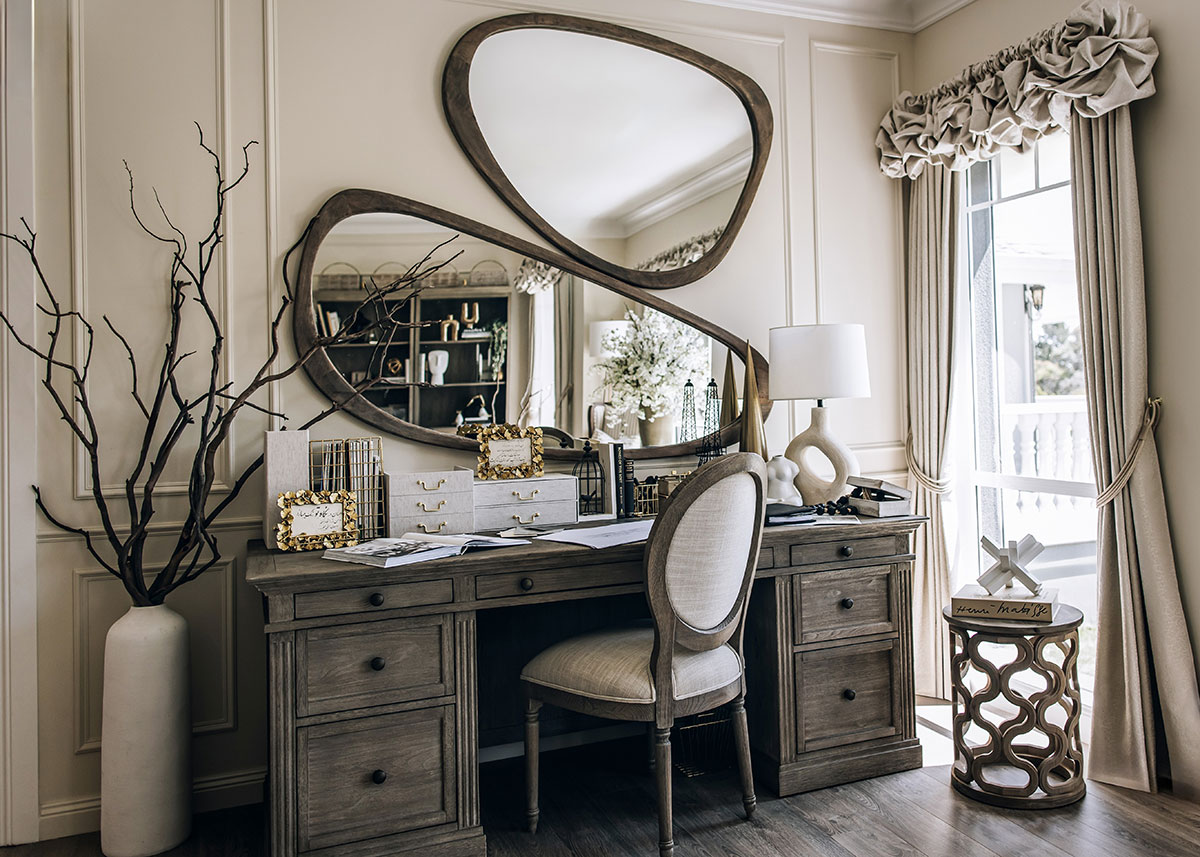
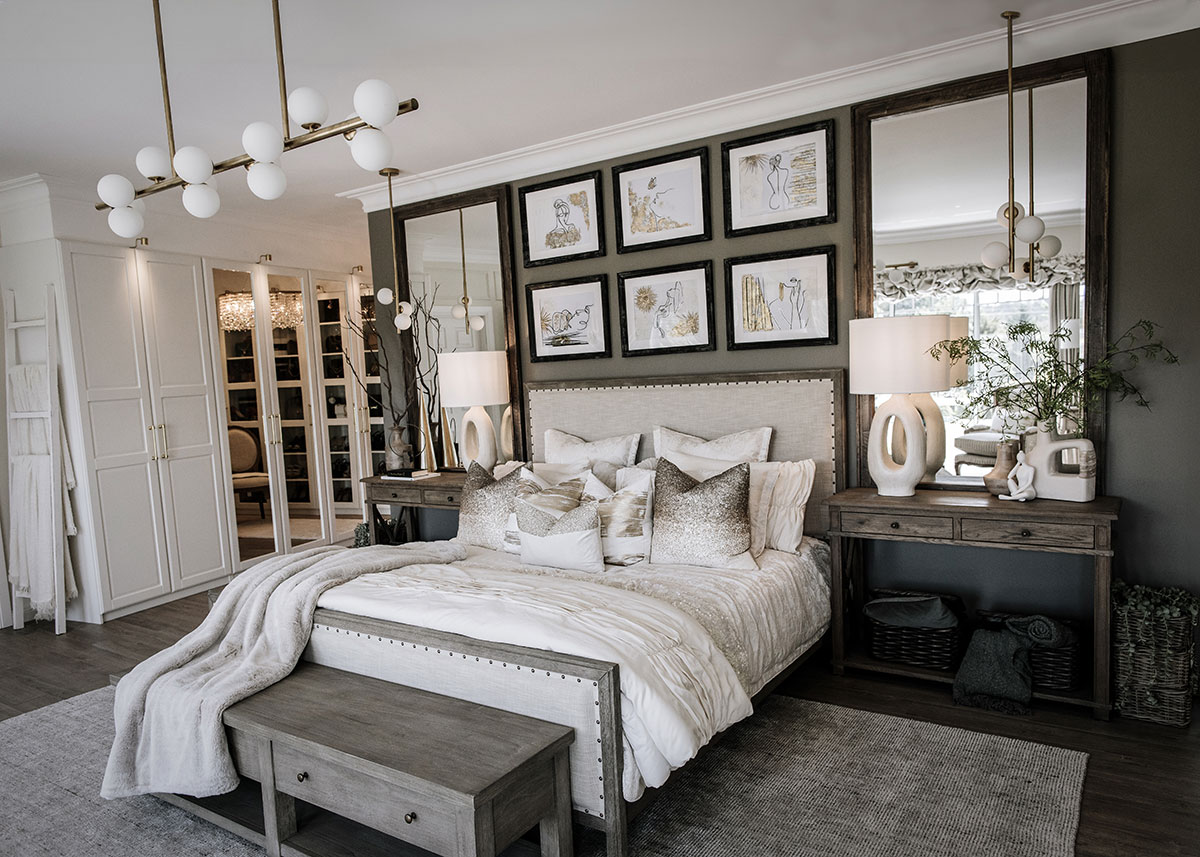
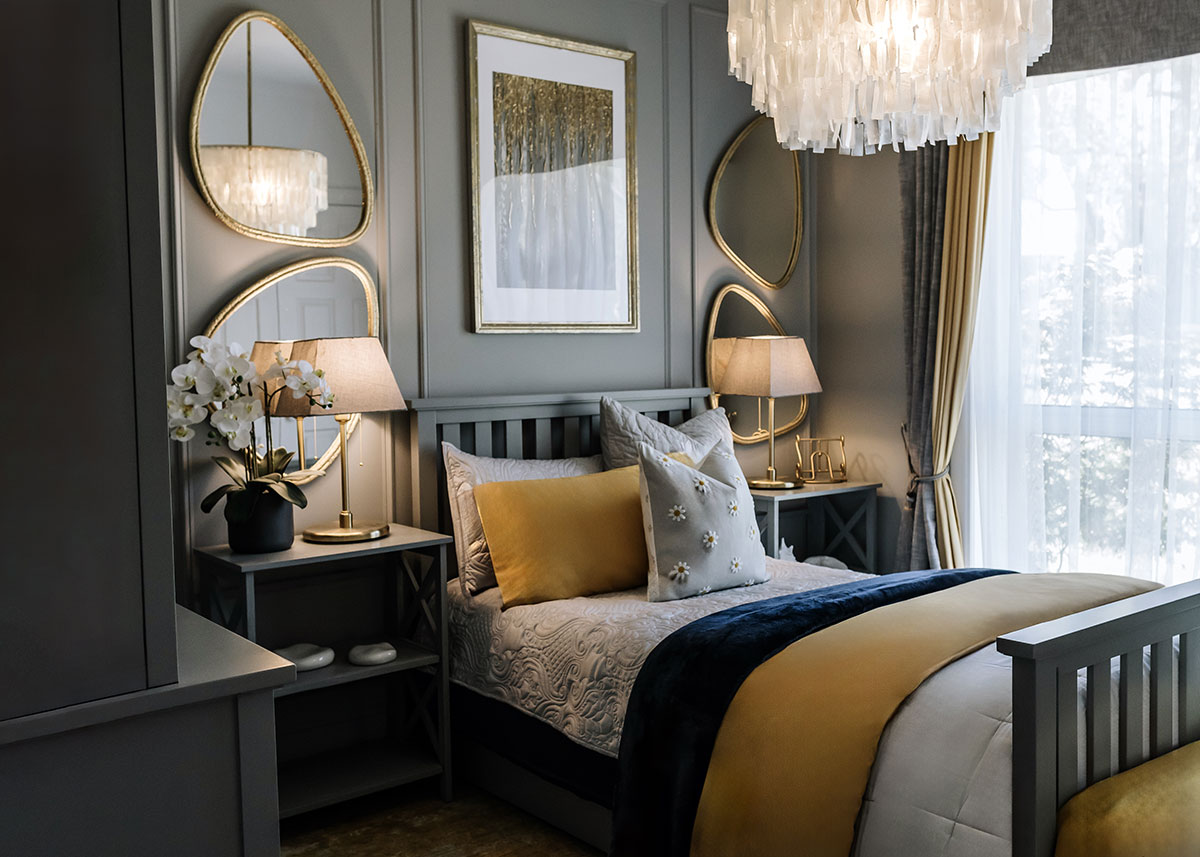
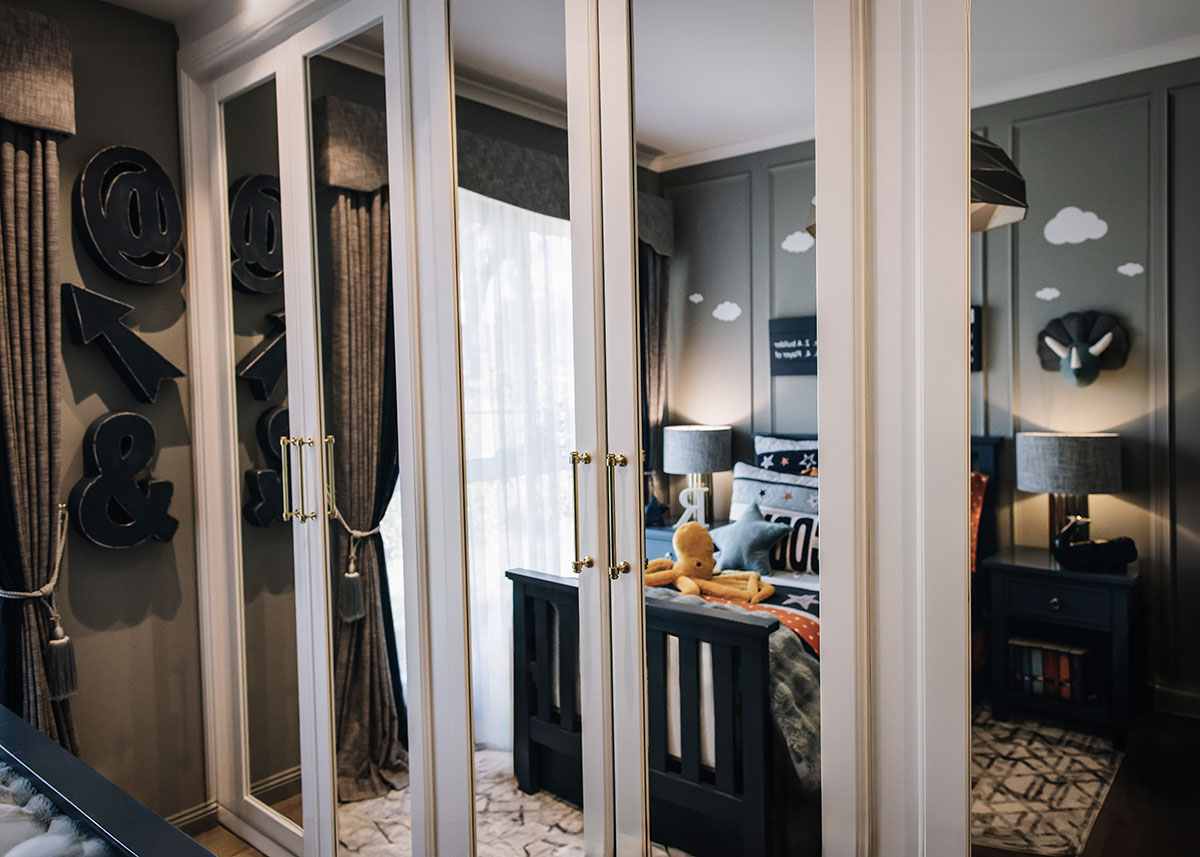
Mirrors are more than décor they are spatial amplifiers. Placing mirrors opposite windows reflects natural light deep into the room and creates the illusion of additional openings. Choose large, simple frames or strips that don’t interrupt sight lines.
5. Smart Furniture Selection
Bulky, oversized furniture shrinks a room instantly. Opt for slender-legged sofas, low profiles and pieces that sit away from the walls rather than pushed flush against them. Floating furniture such as wall-mounted desks or benches preserves floor space and gives the room “breathing room.”
6. Clear Visual Pathways
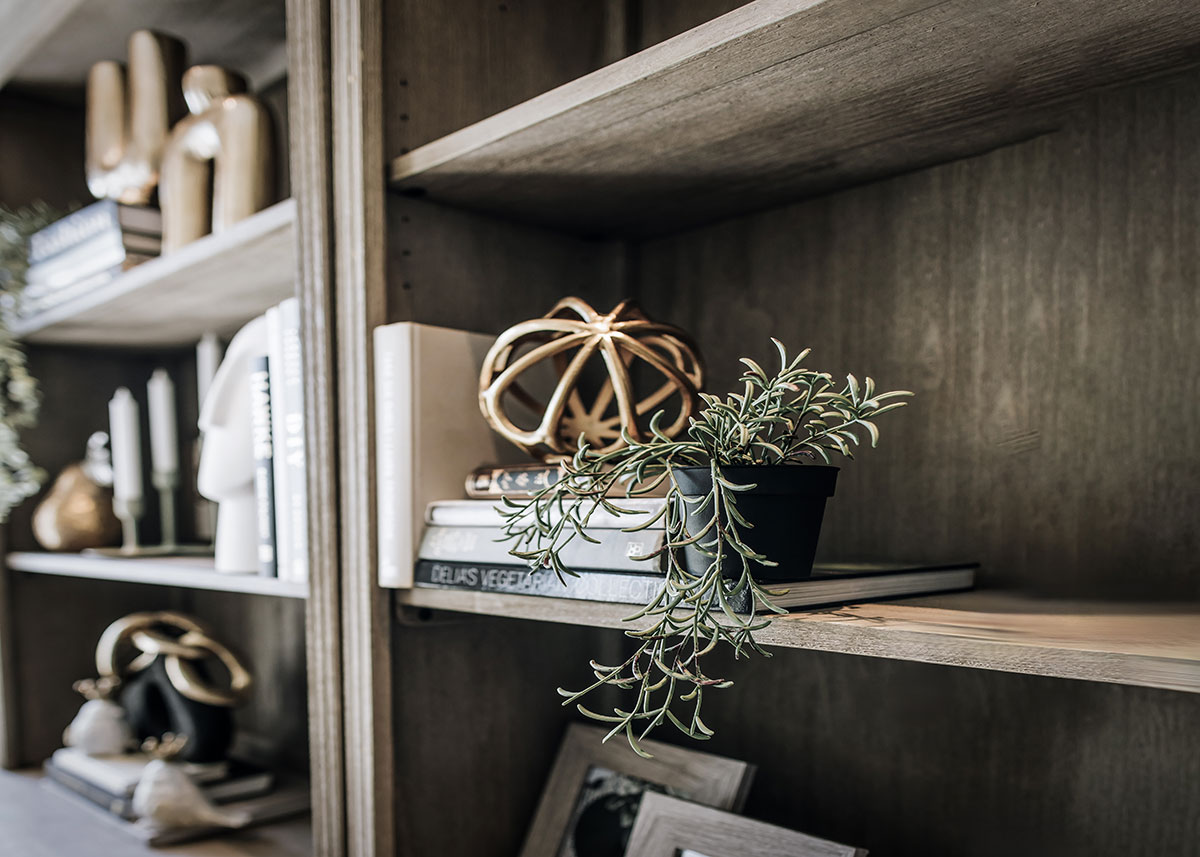
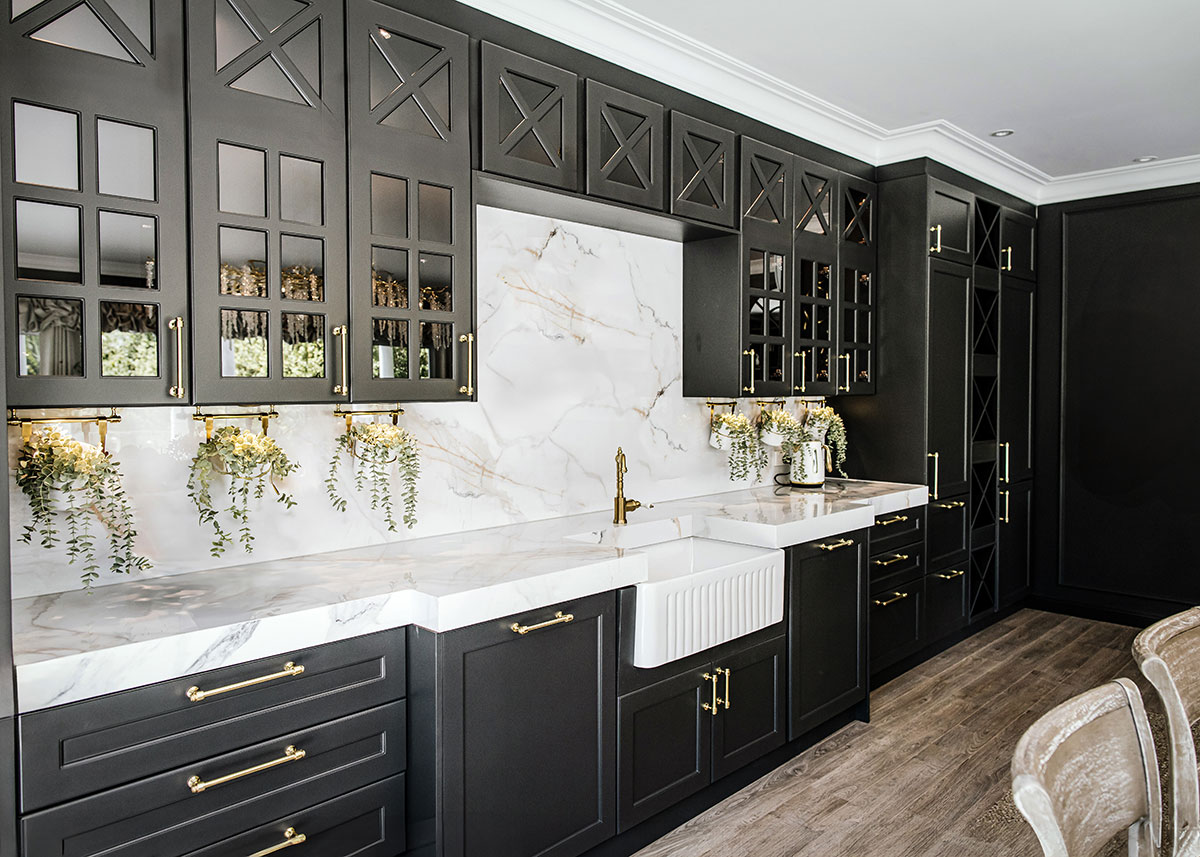
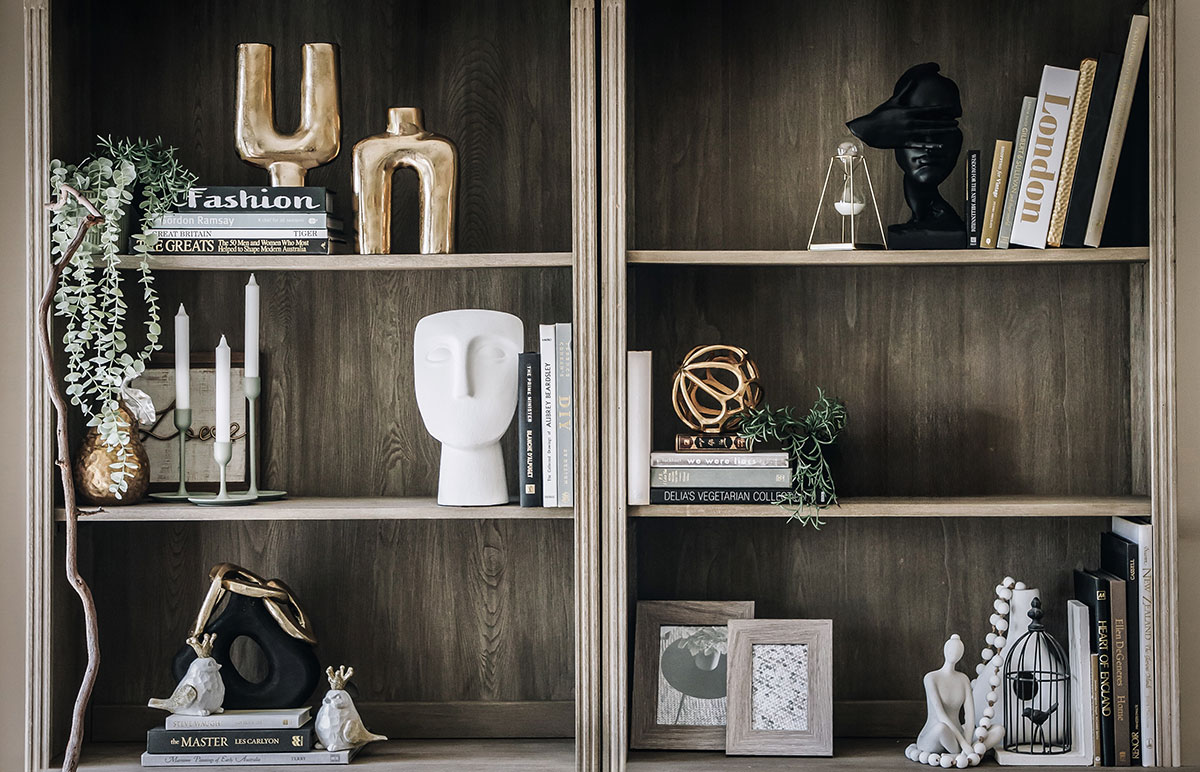
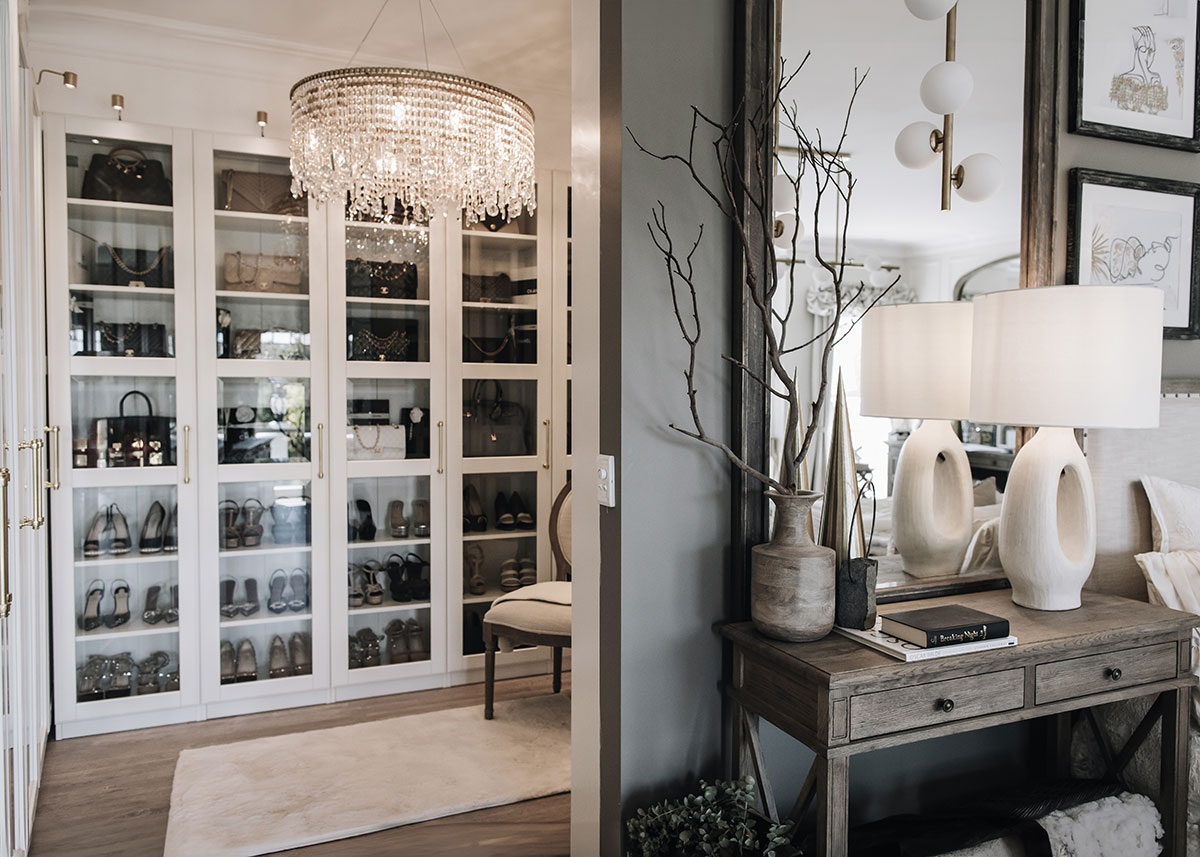
Clutter interrupts flow. Design with intentional editing: remove unnecessary décor, keep surfaces sleek, and use smart storage. Built-in joinery that matches wall colour, or hidden storage baskets, keep items discreet and let the room breathe.
7. Define Zones Within a Room
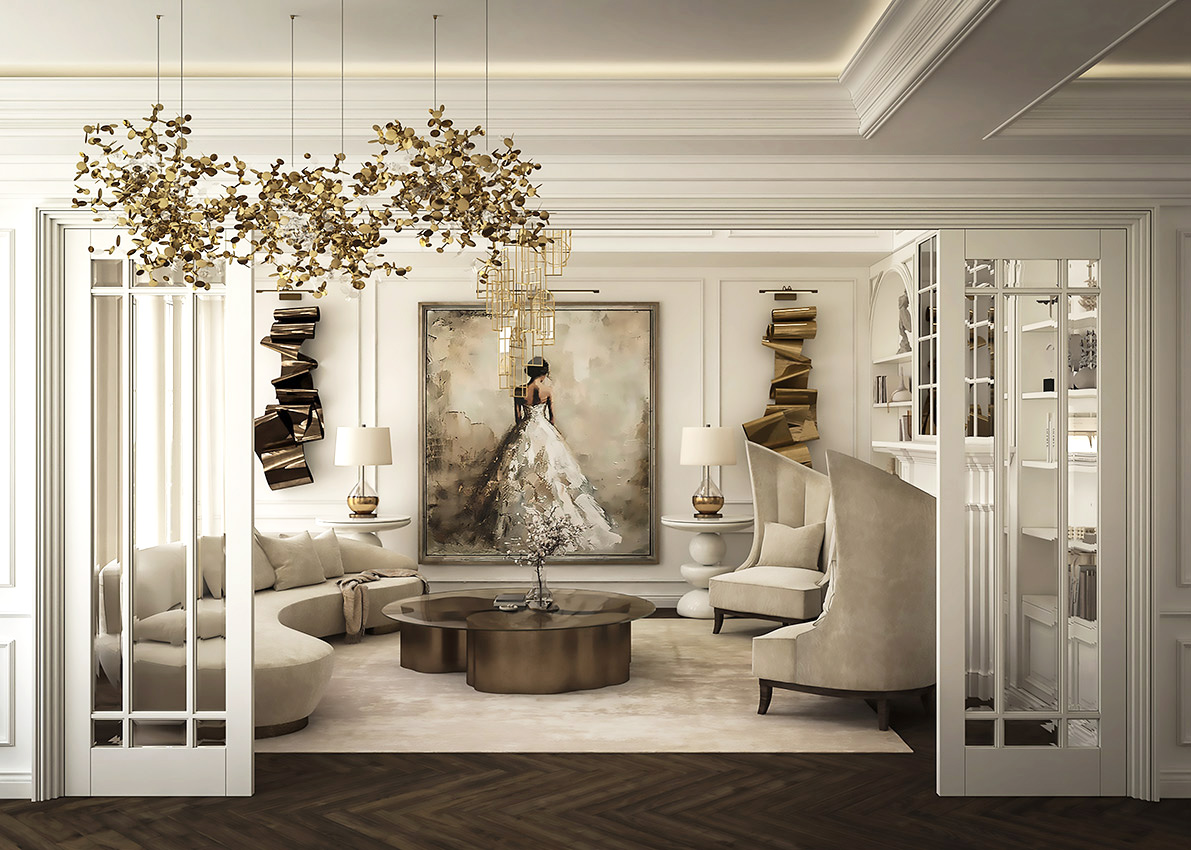
Even in small spaces, creating subtle functional zones can make a room feel larger. Use rugs, lighting or furniture arrangement to differentiate a reading nook from a seating area clearly defined zones give the impression of multiple interconnected rooms rather than one cramped space.
Final Thoughts
Making your space feel larger isn’t about illusion alone it’s about designing with clarity, elegance, and intention. Thoughtful colour palettes, layered lighting, smart furniture and spatial flow all work together to create interiors that feel open, inviting and cohesive. With the right approach, a room can feel expansive without ever lifting a single brick. That is the essence of intentional design and the difference it makes is extraordinary.