
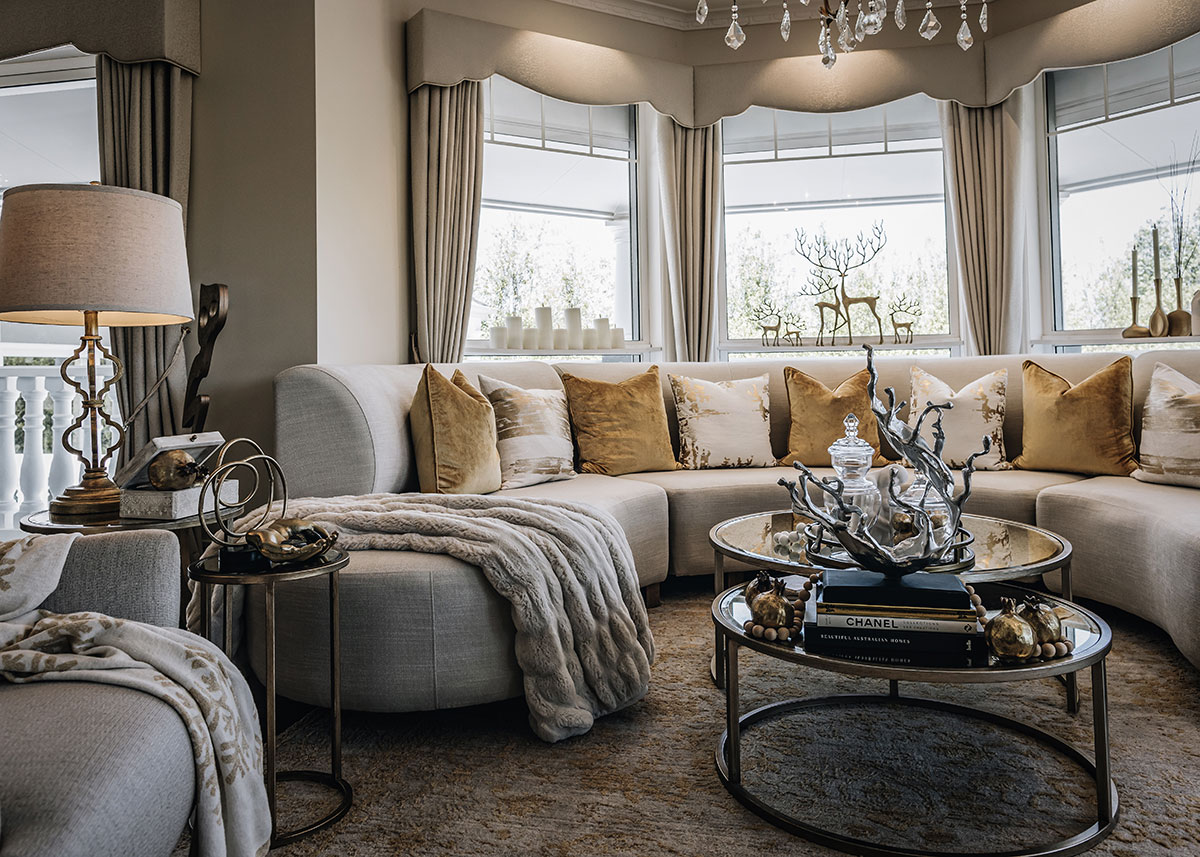
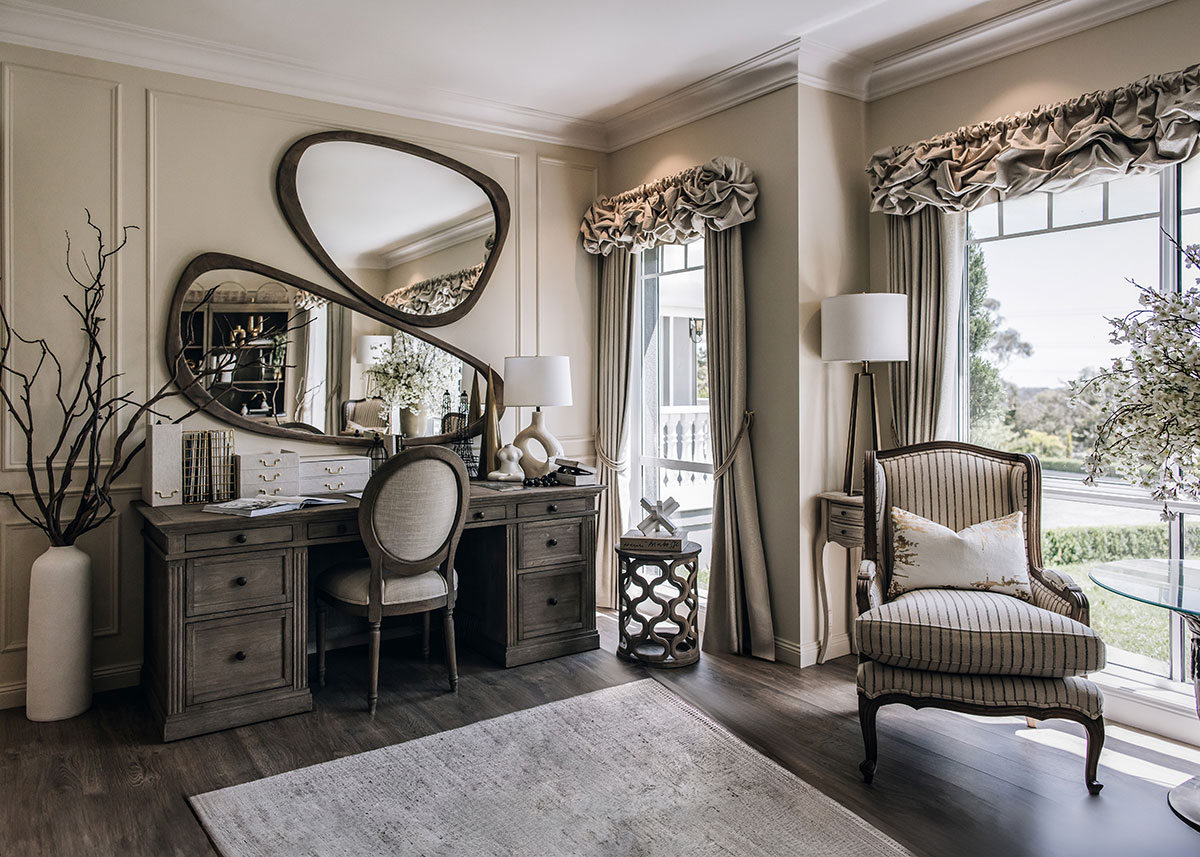
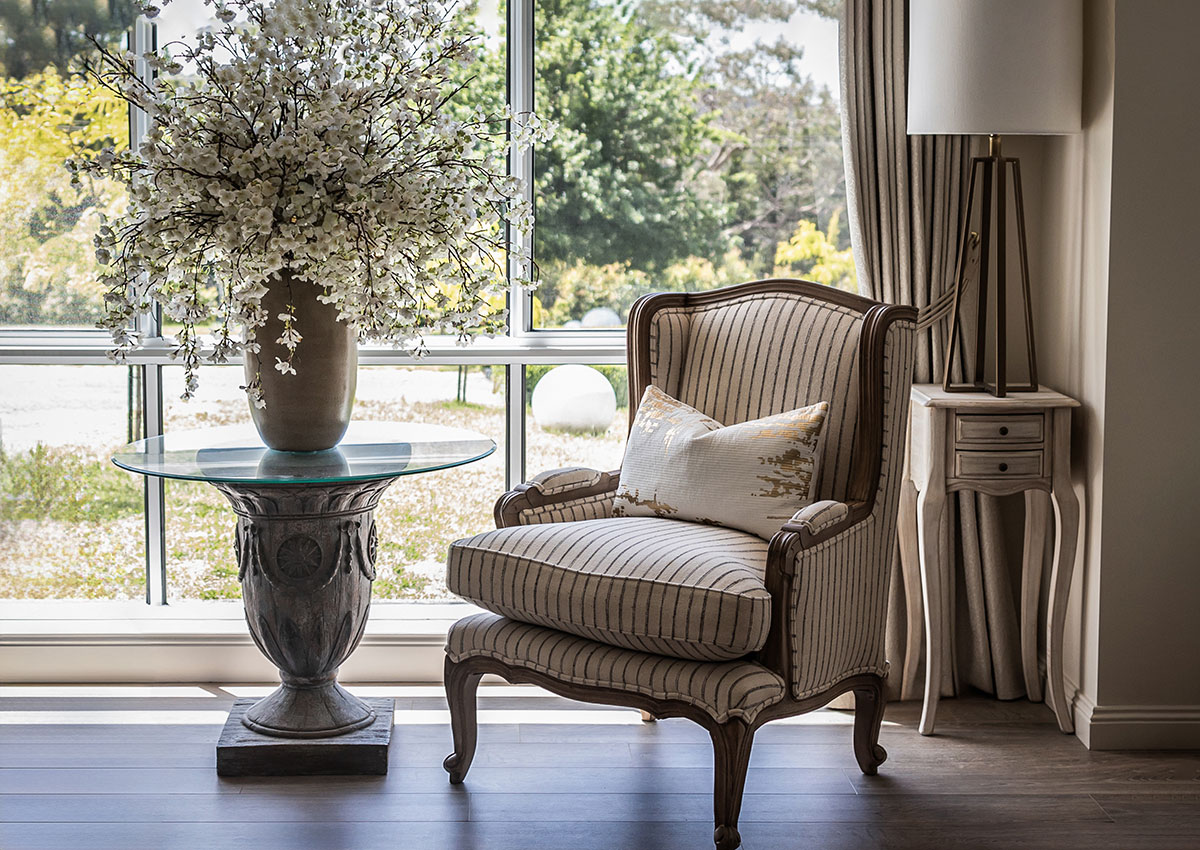
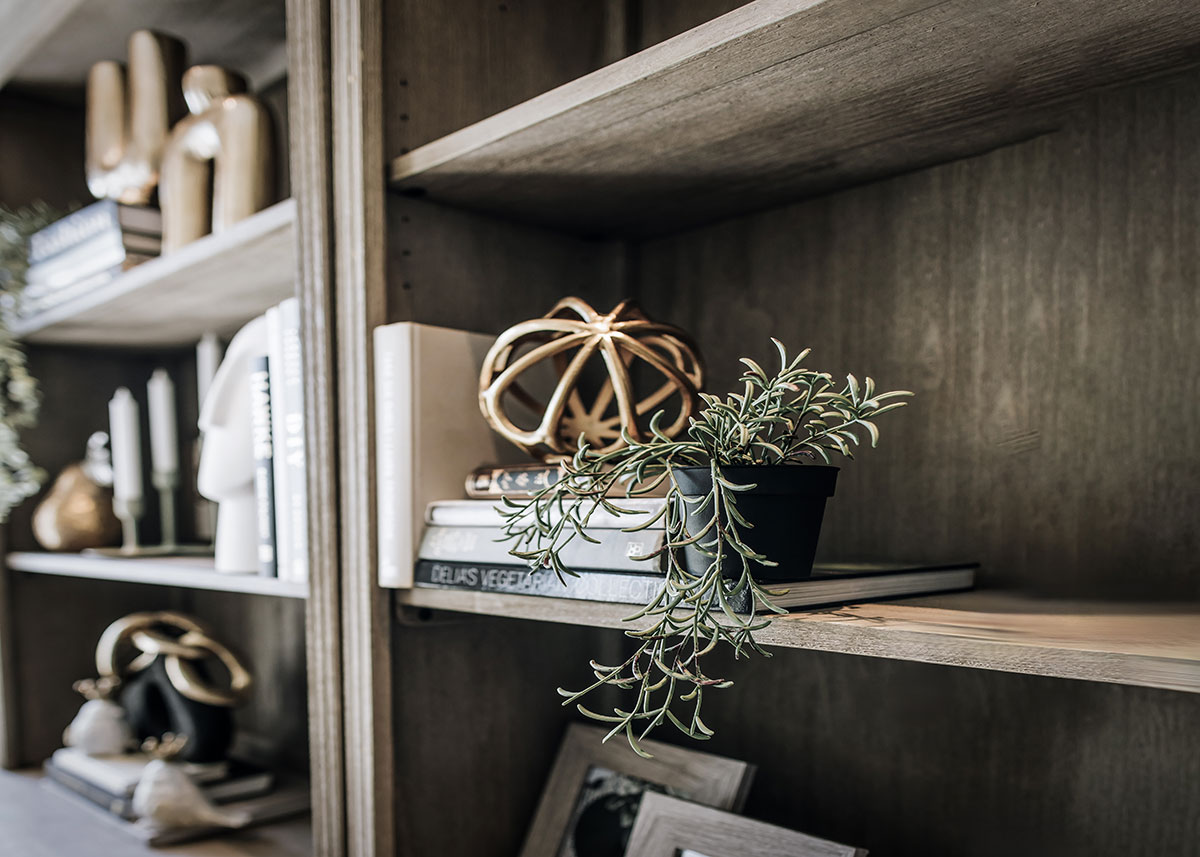



The Overlooked Secrets That Turn Good Design Into Exceptional Spaces
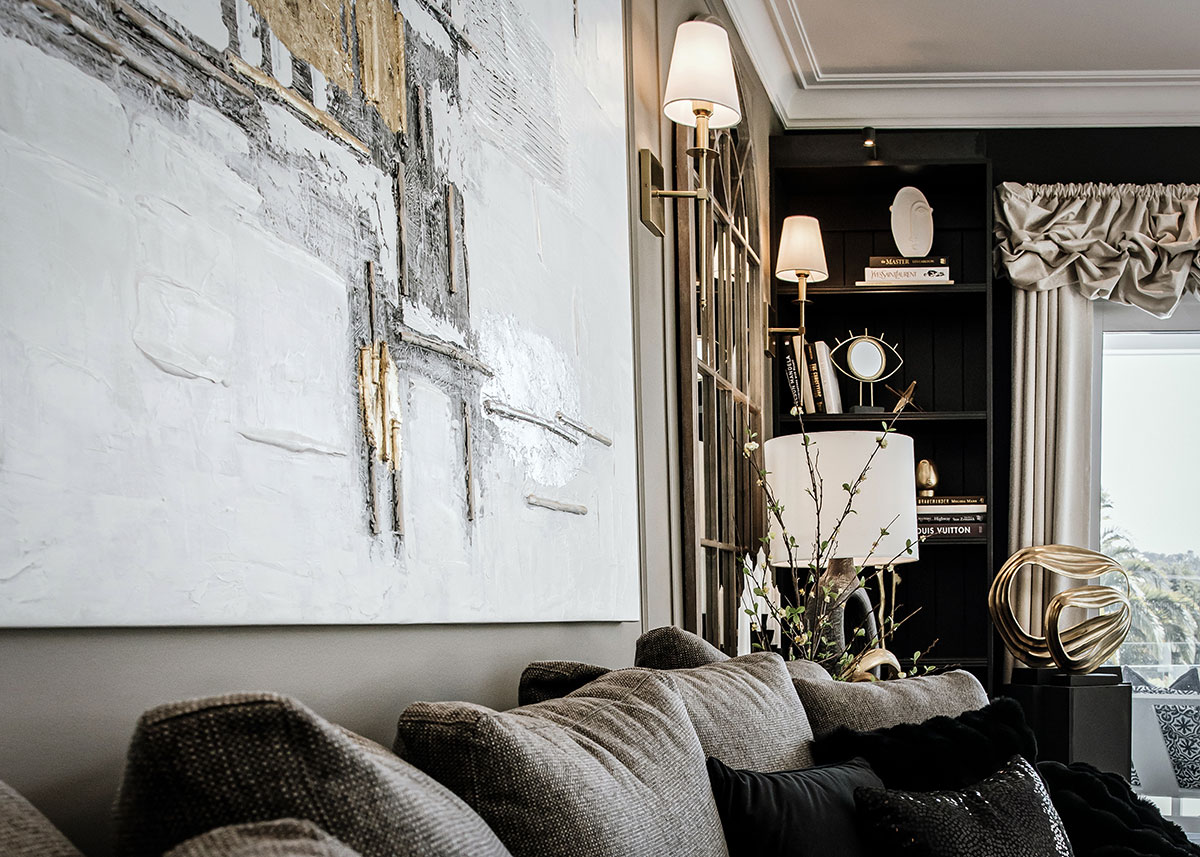
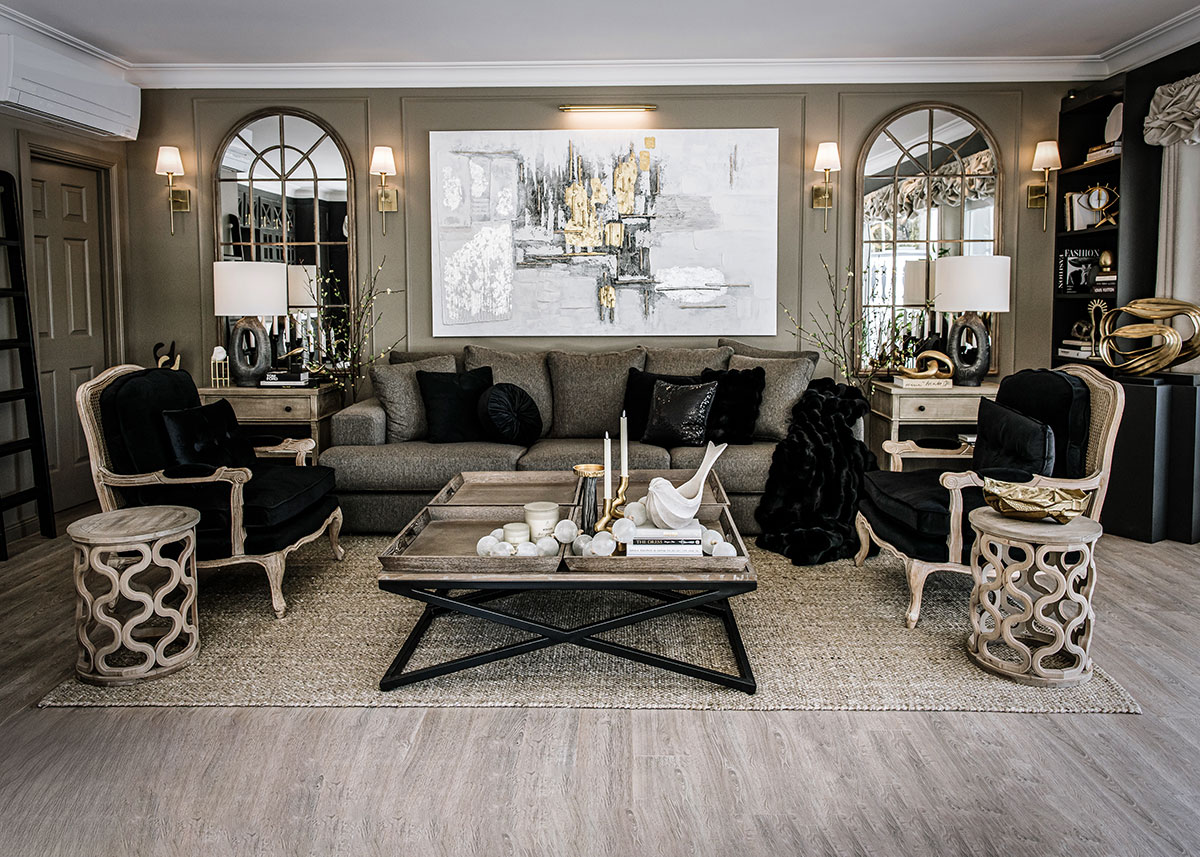
When it comes to creating a beautiful home or workspace, most people focus on the big, obvious things: colours, finishes, furniture, and layout. But the truth is, the magic of truly exceptional design often comes down to the details you don’t see immediately, the architectural subtleties, the spatial psychology, and the functional foresight that make a space feel effortlessly right.
Below are some powerful, often-overlooked hints from the intersection of architecture and interior design that can elevate your project from “nice” to “unforgettable.”
1. Start With the Architecture, Not the Cushions
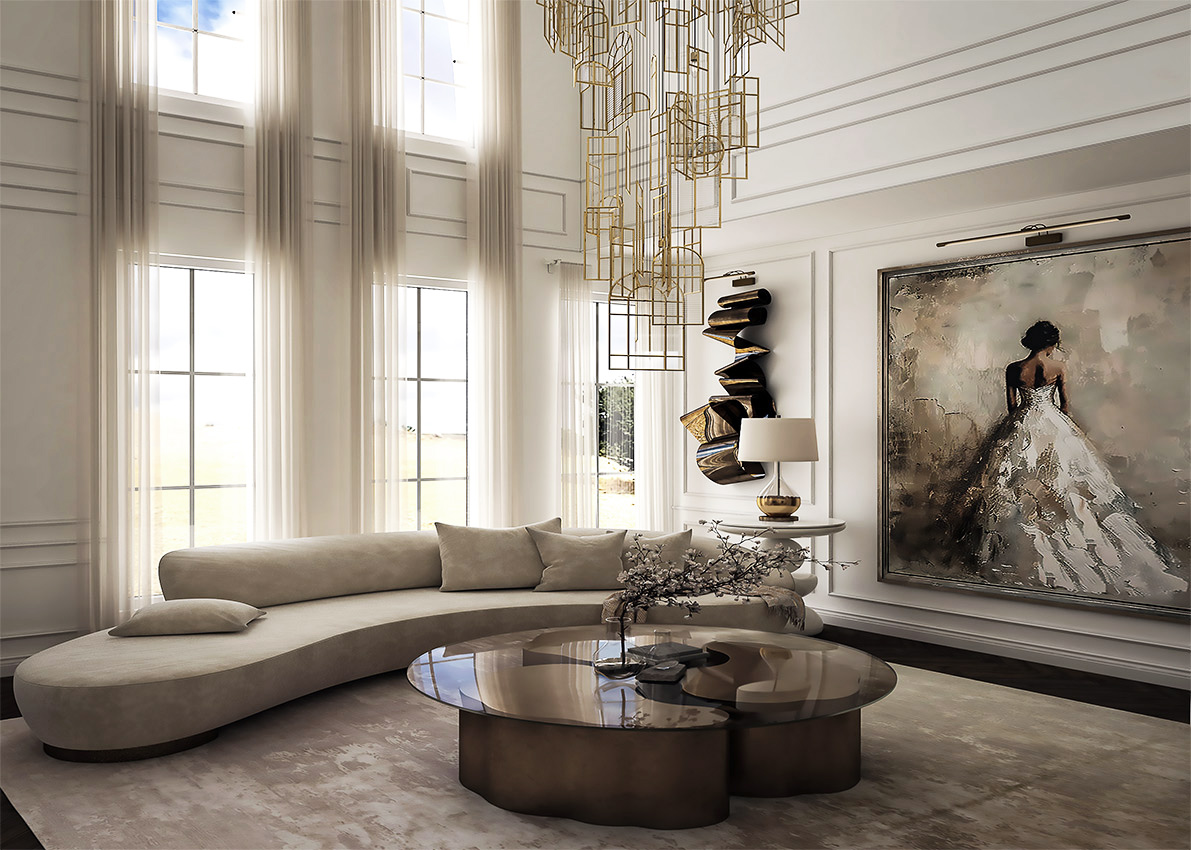
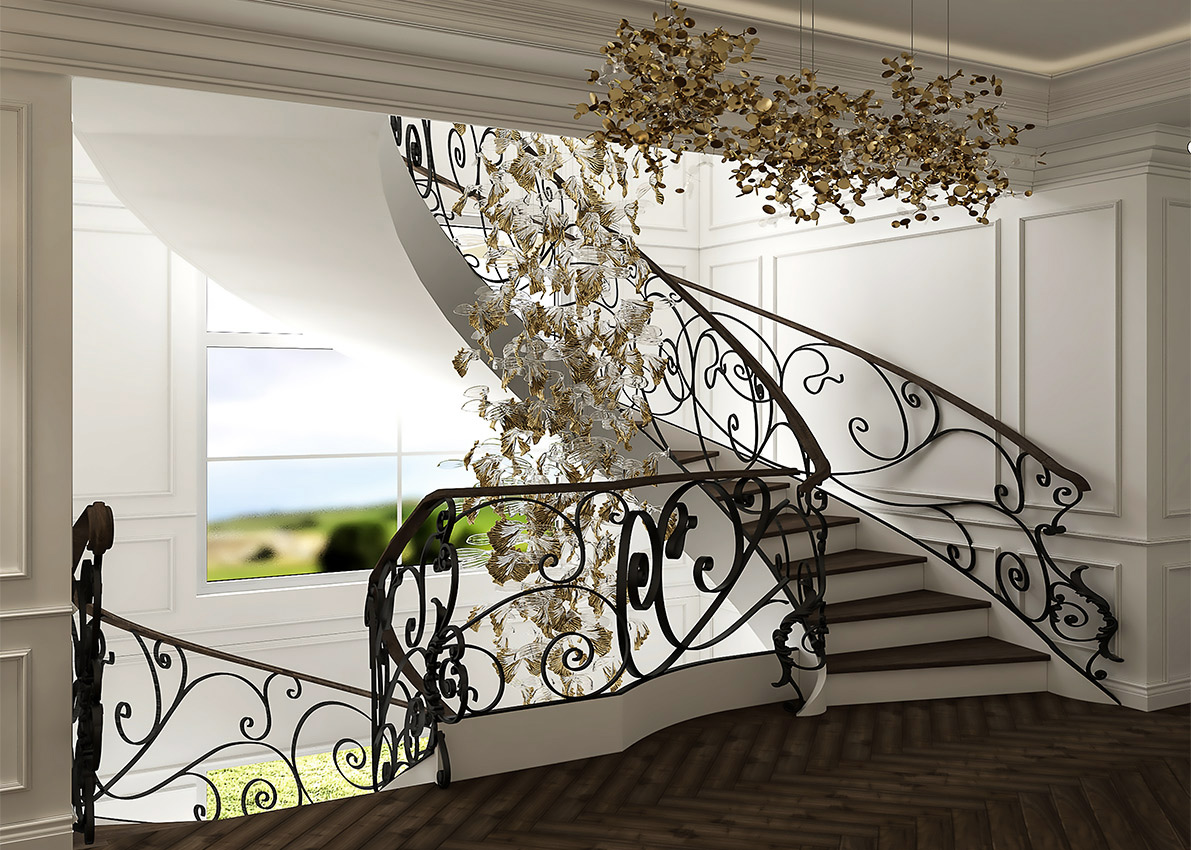
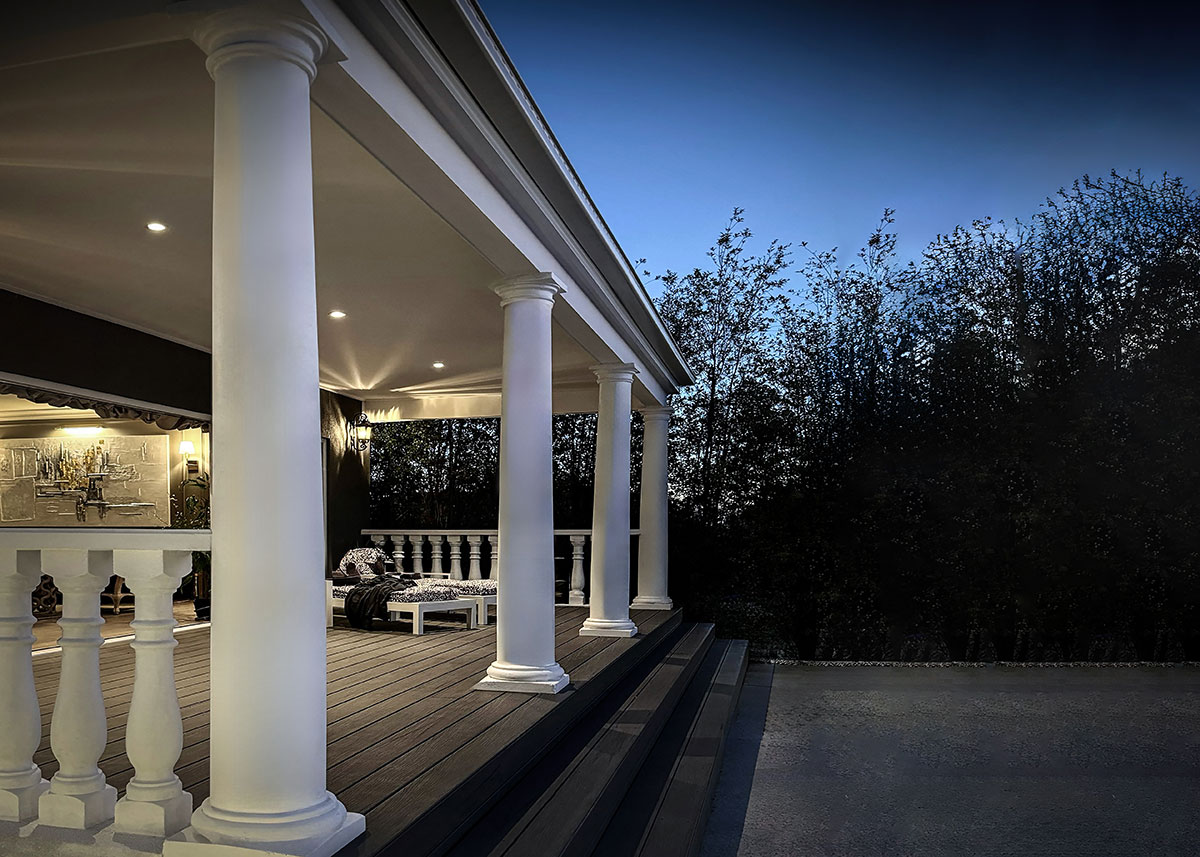
It’s tempting to think about sofas and paint colours first, but the architecture sets the tone for everything. Ceiling height, window placement, and wall proportions all influence how a space feels and functions. A well-placed skylight or a reconfigured doorway can change the entire experience of a room before you even bring in a single piece of furniture.
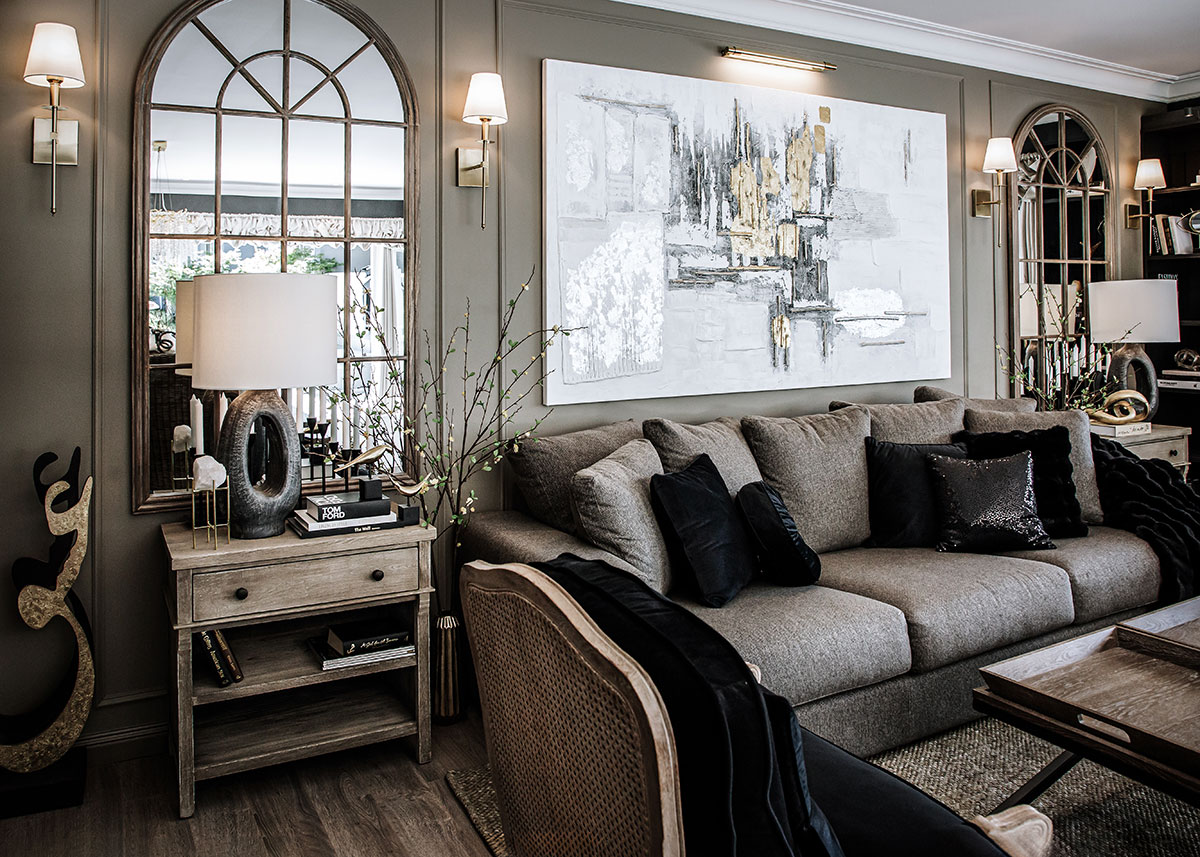
2. Think in Layers, Not Just Rooms
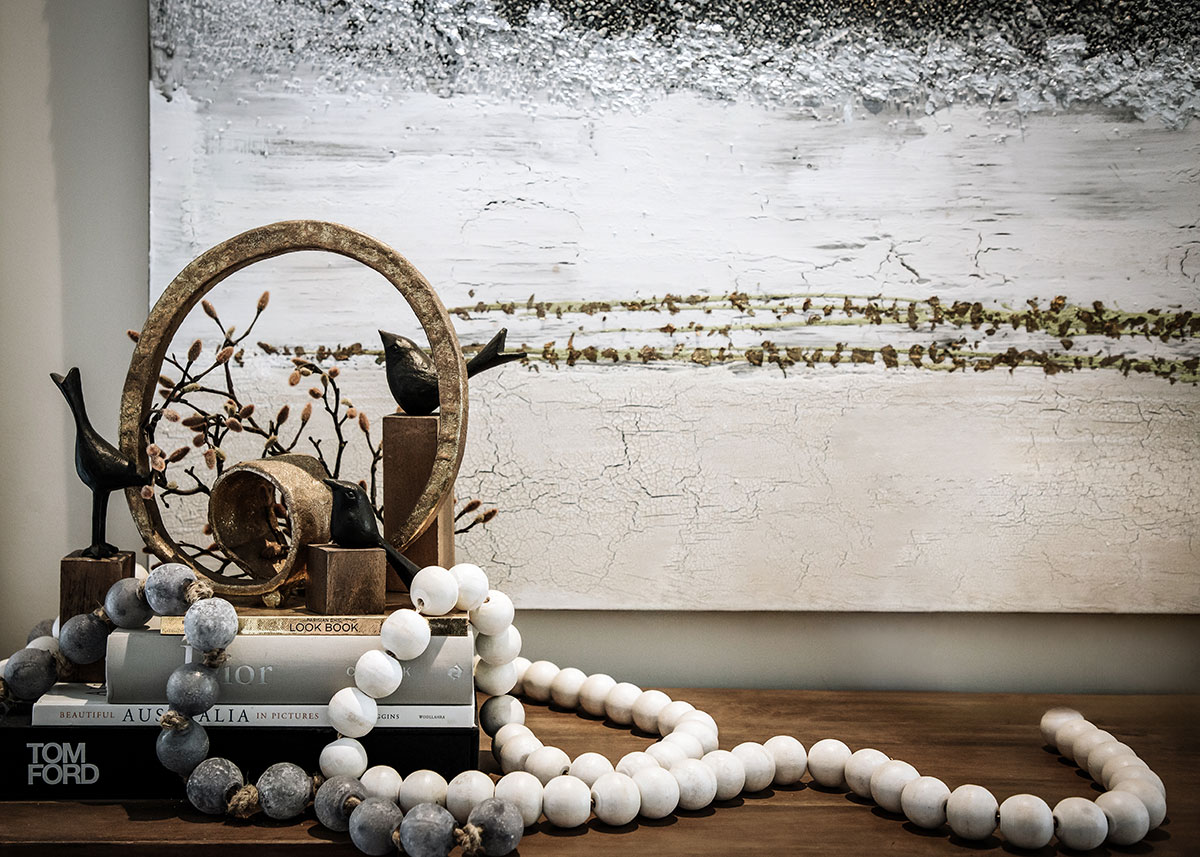
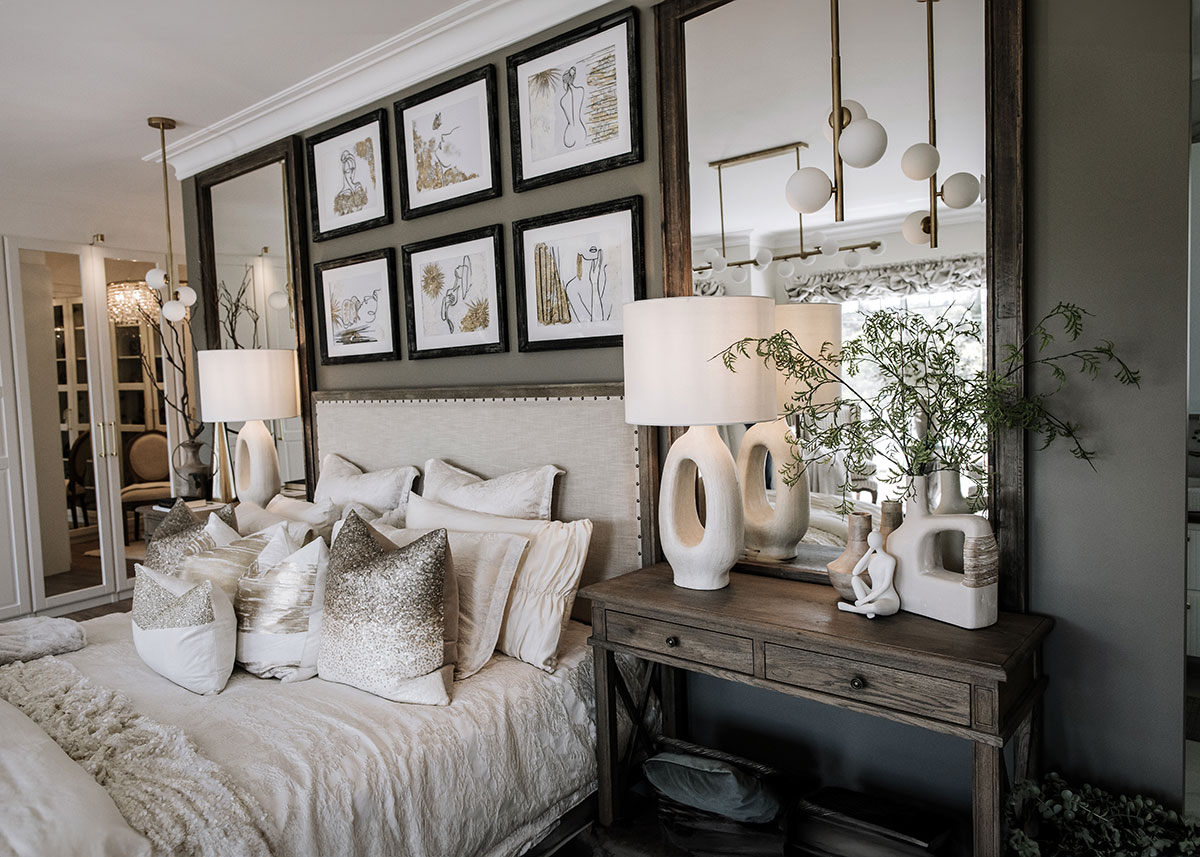
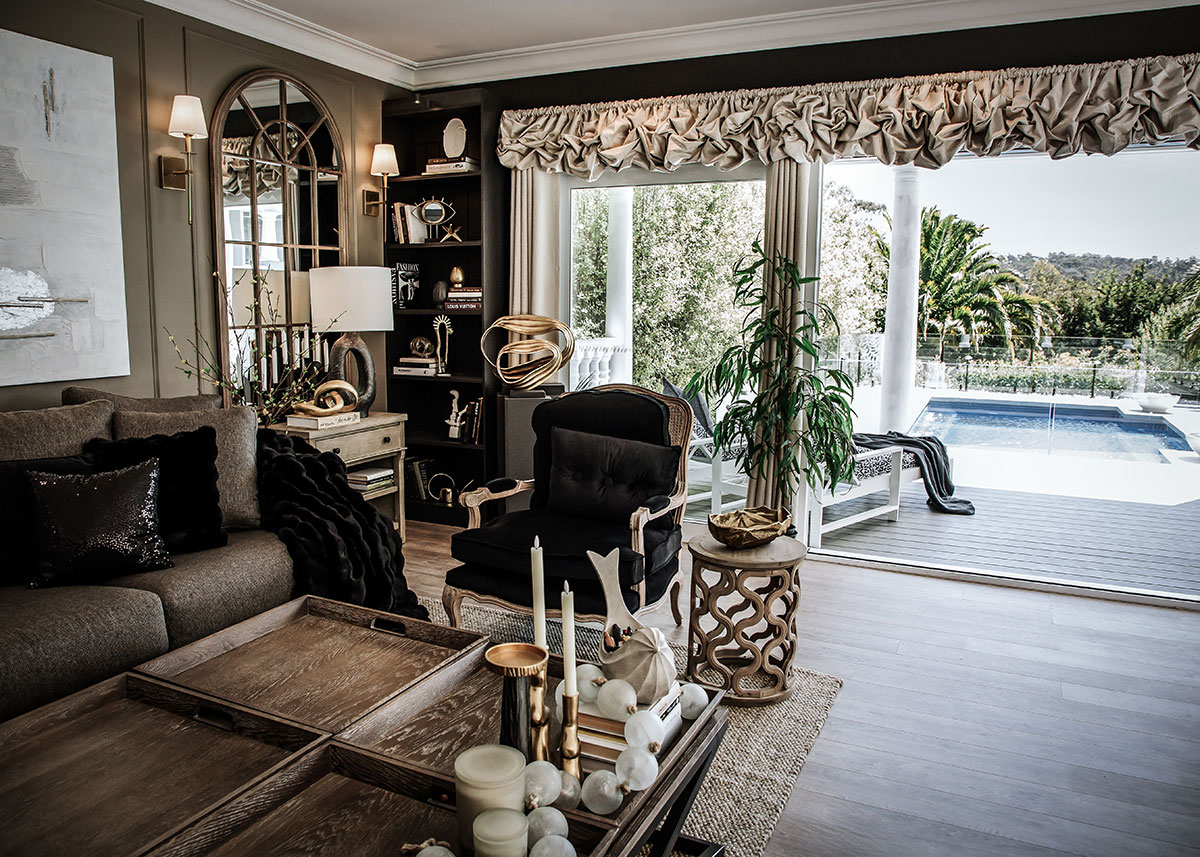
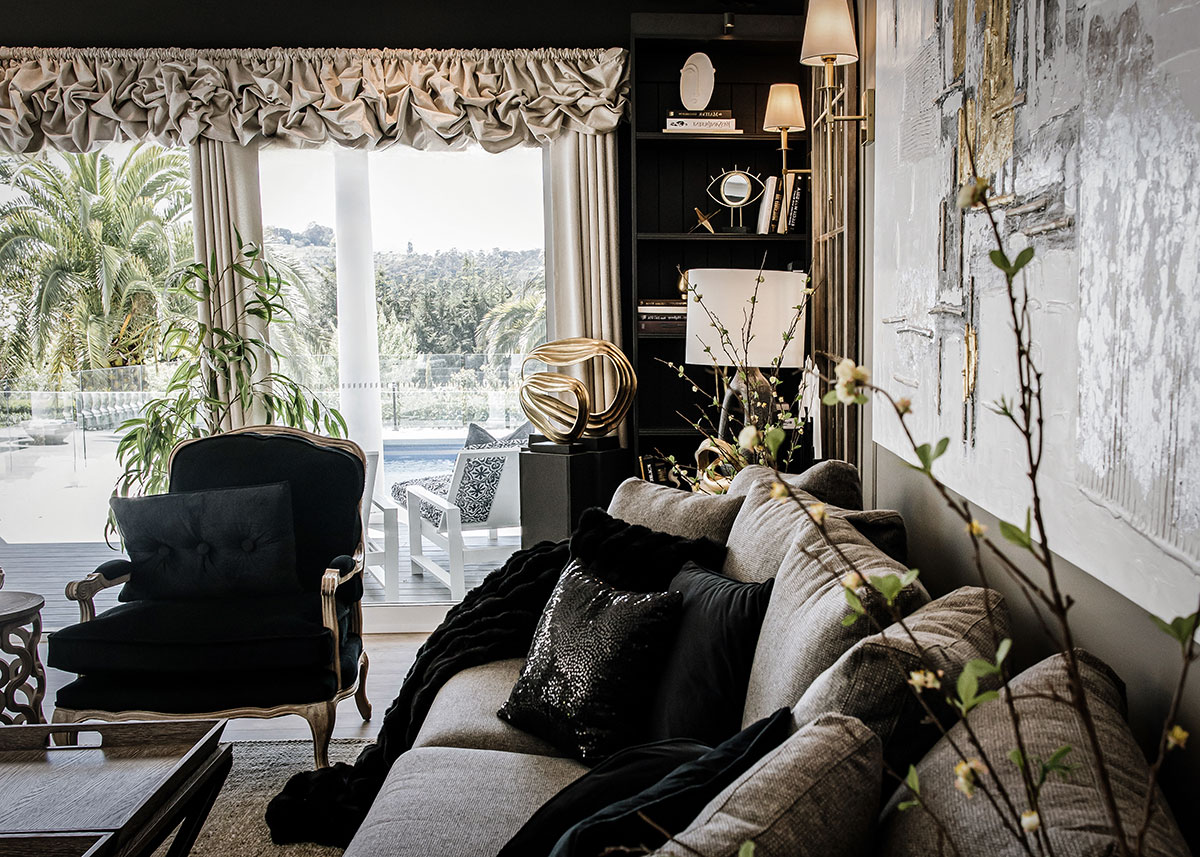
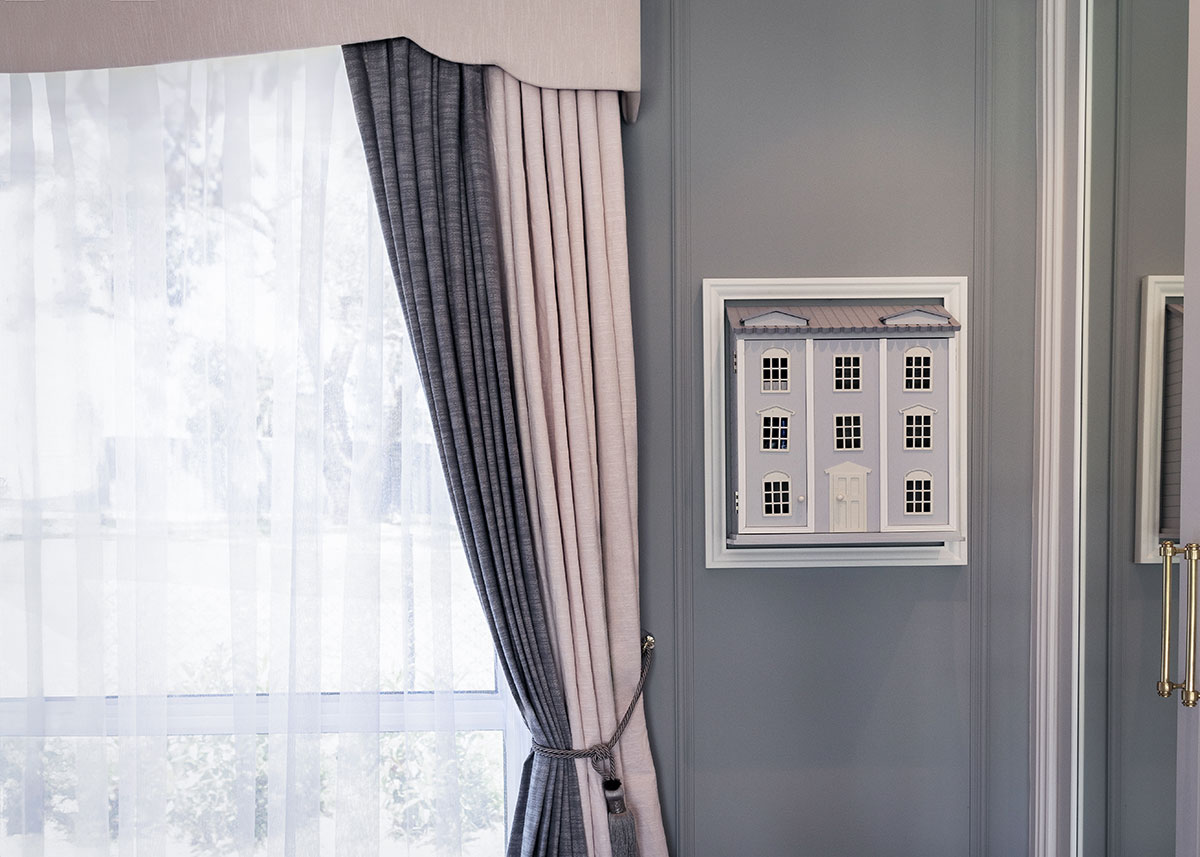
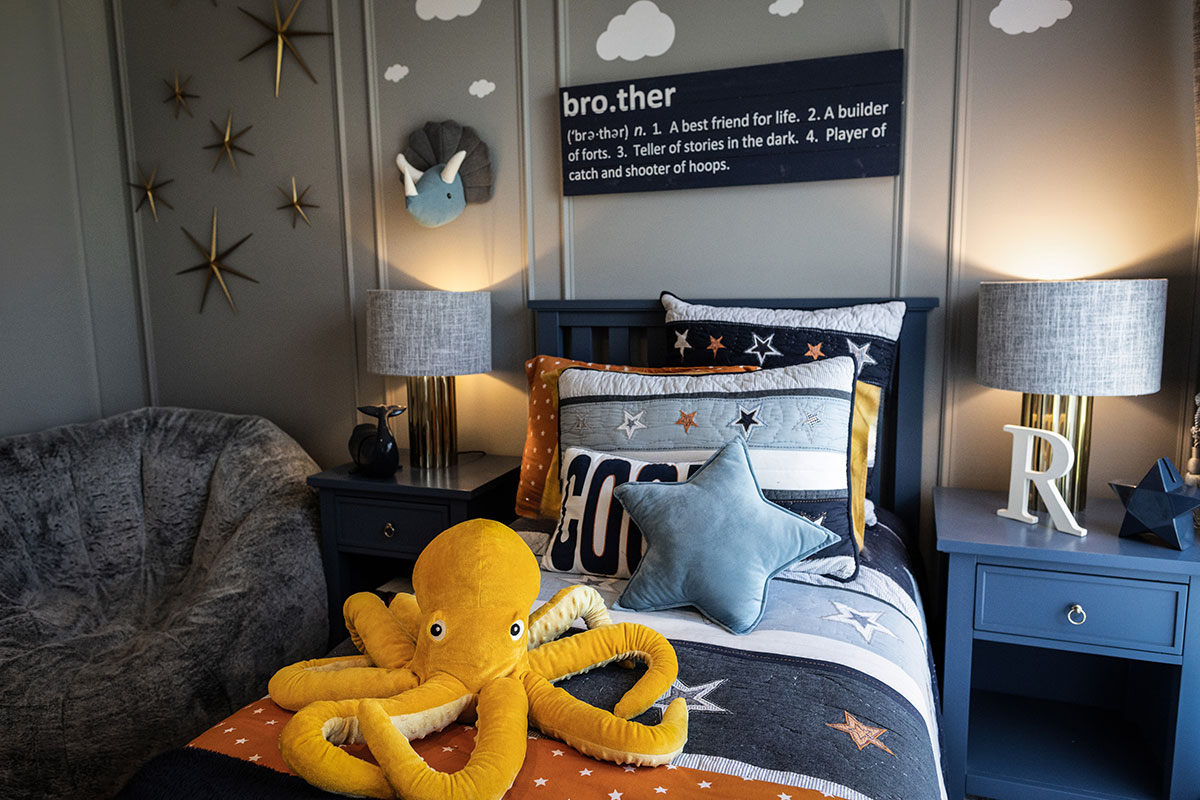
Great design isn’t one-dimensional. Consider layering textures, materials, and functions. For example, a reading nook might double as hidden storage, or a timber wall panel could conceal integrated lighting. The goal is to make spaces multi-sensory and multi-purpose without feeling cluttered.
3. Light Is the Silent Architect
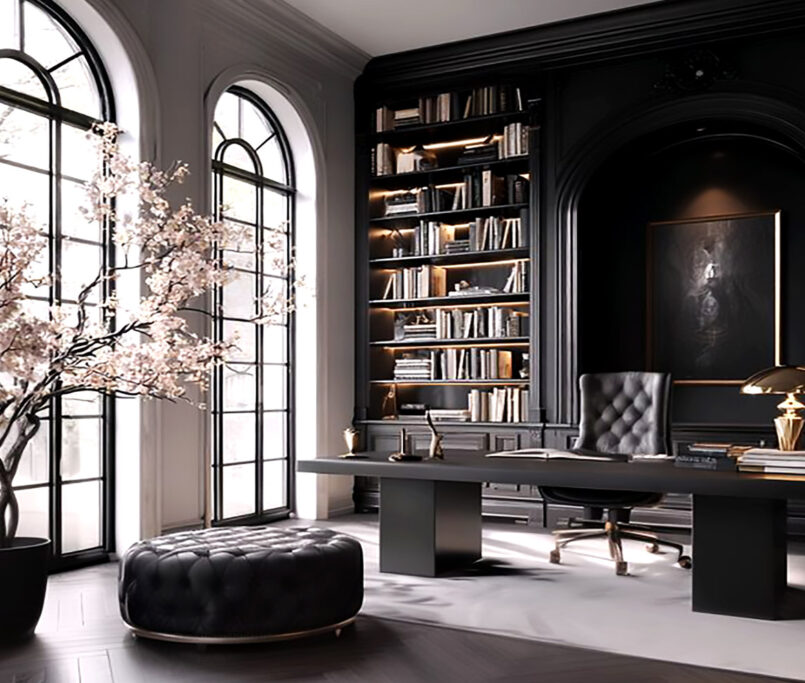
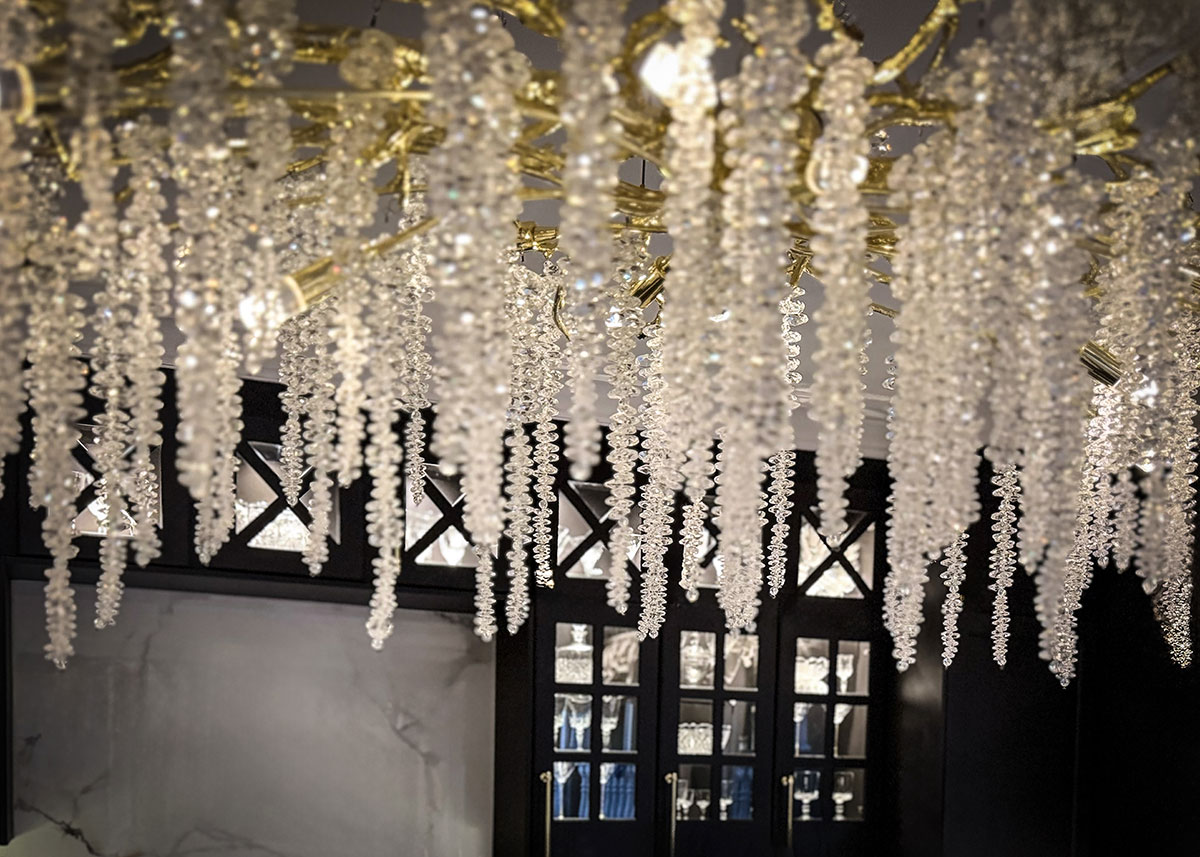
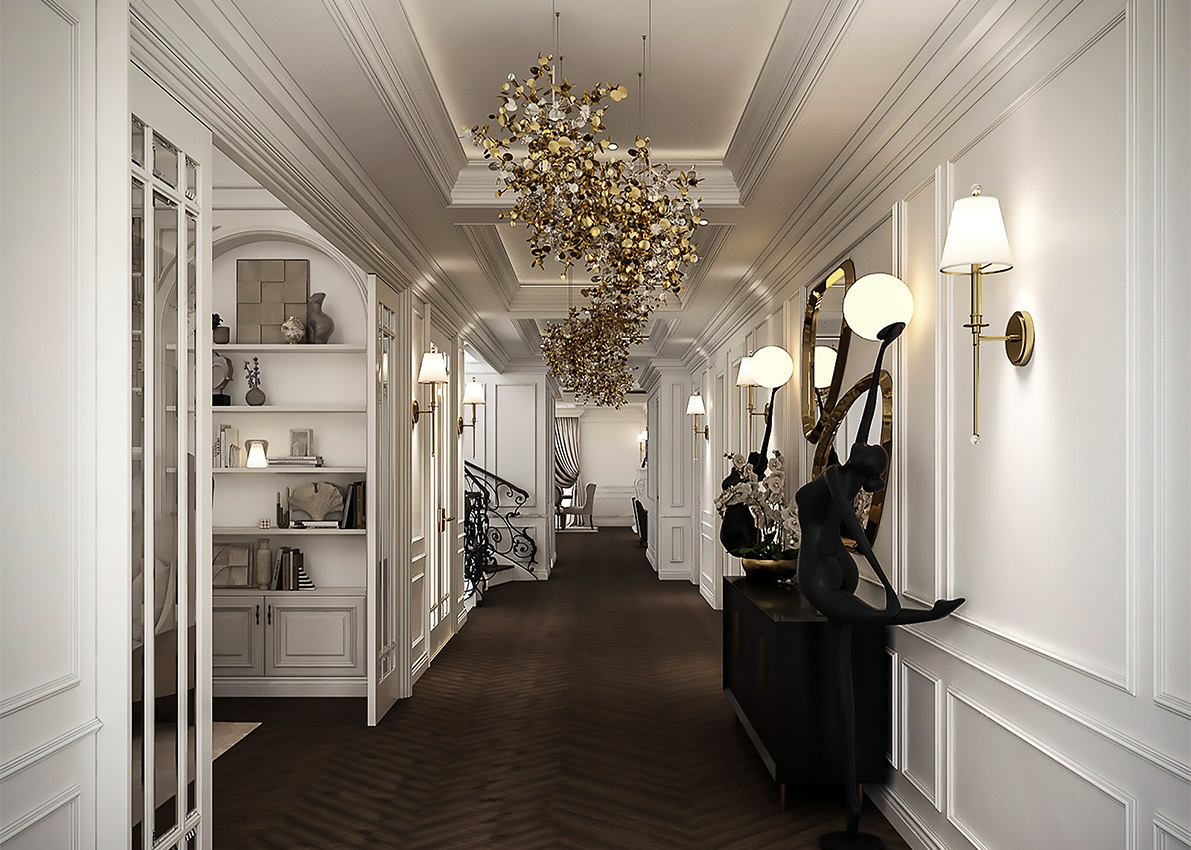
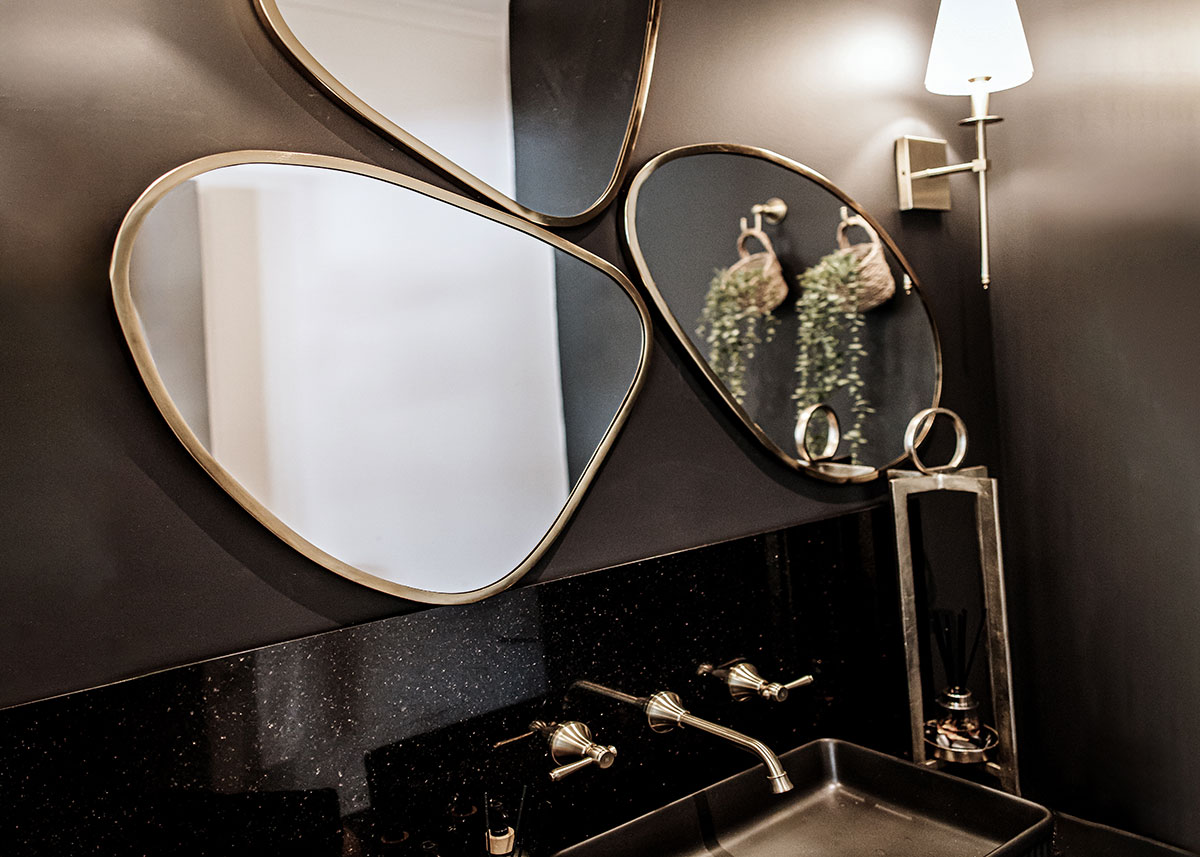
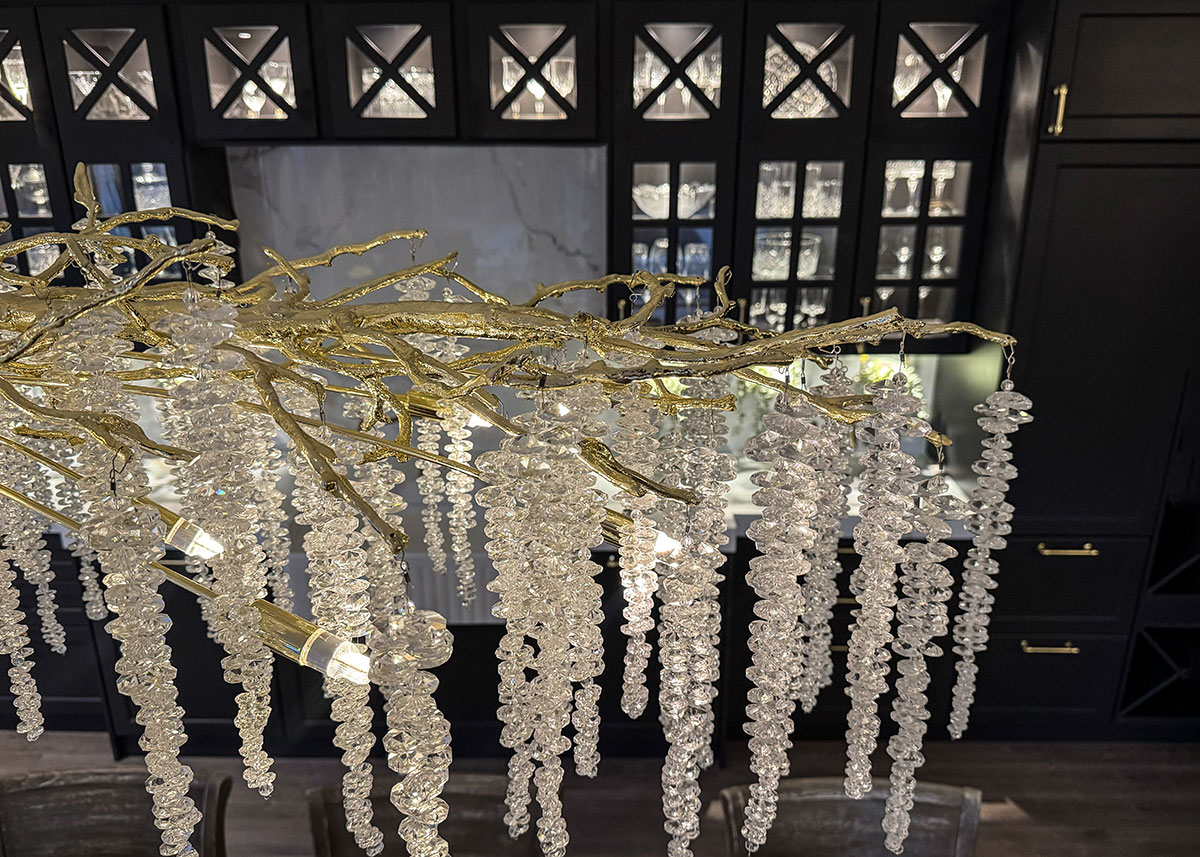
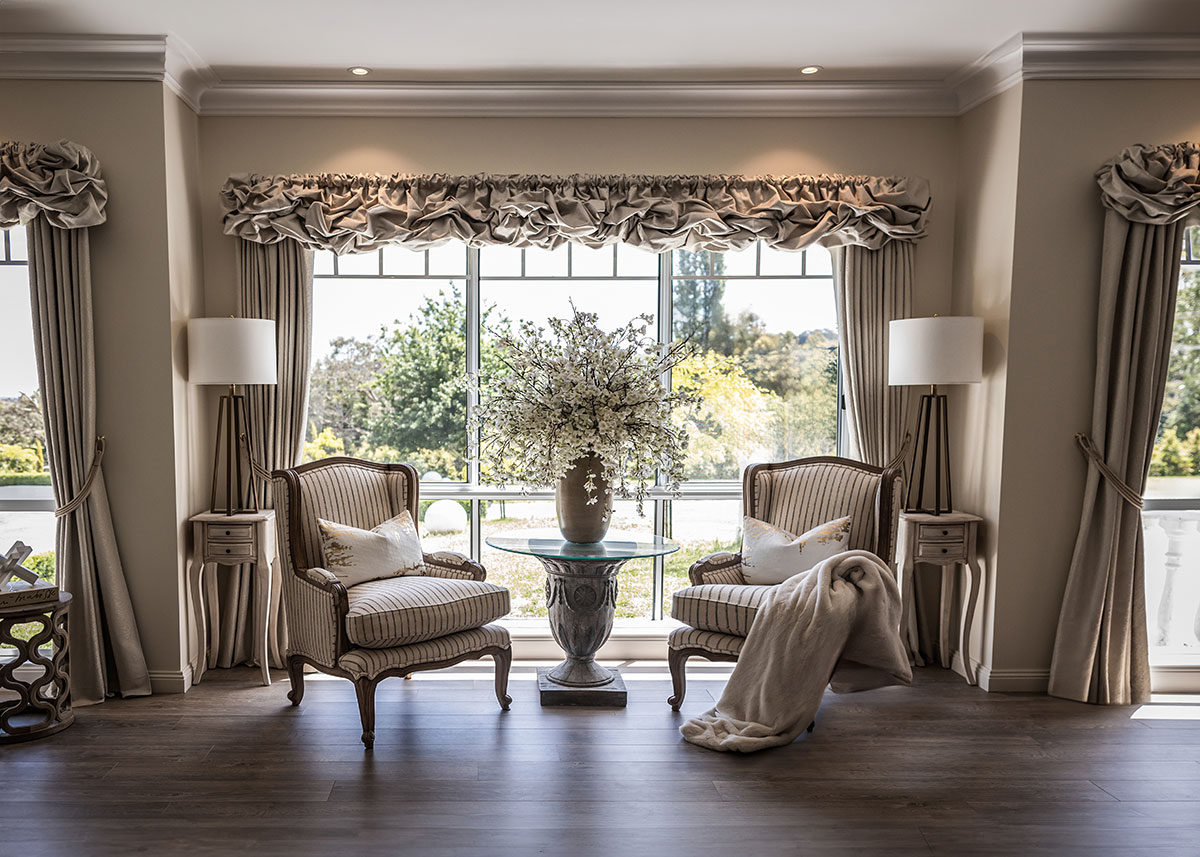
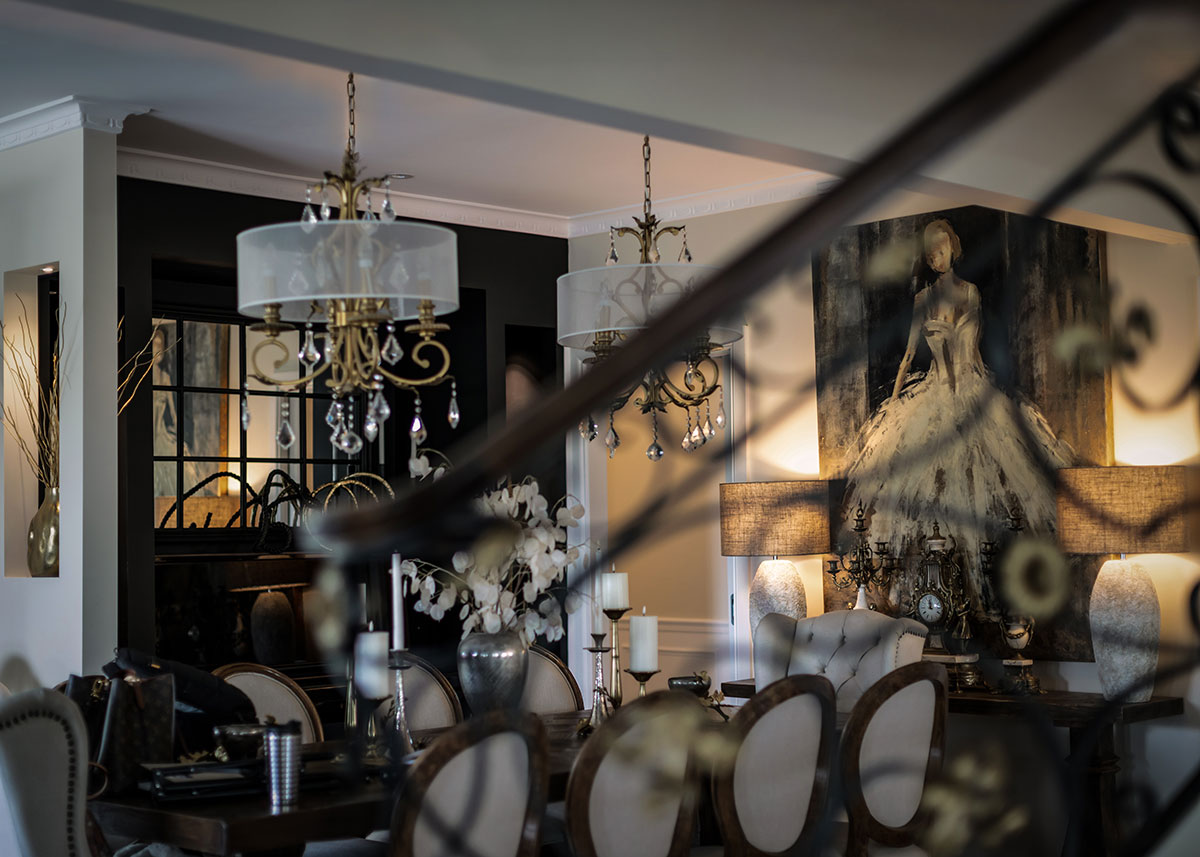
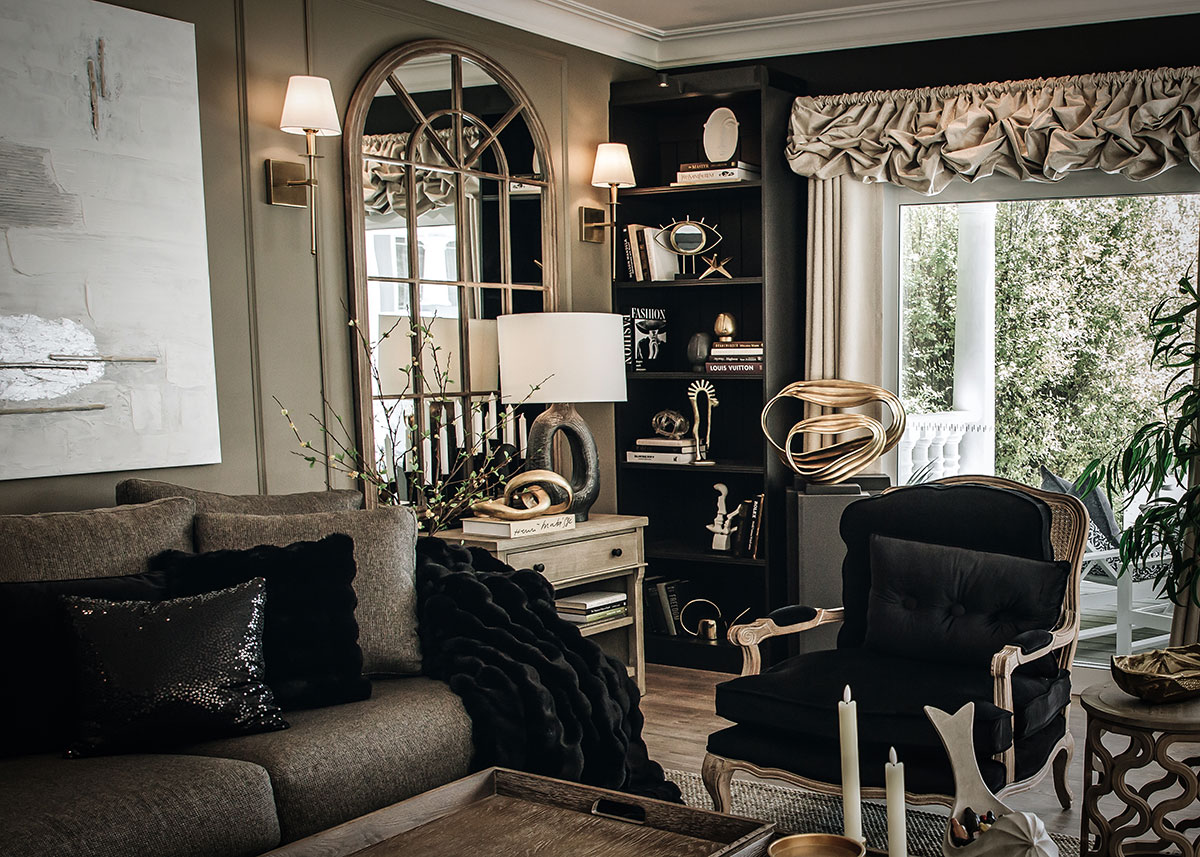
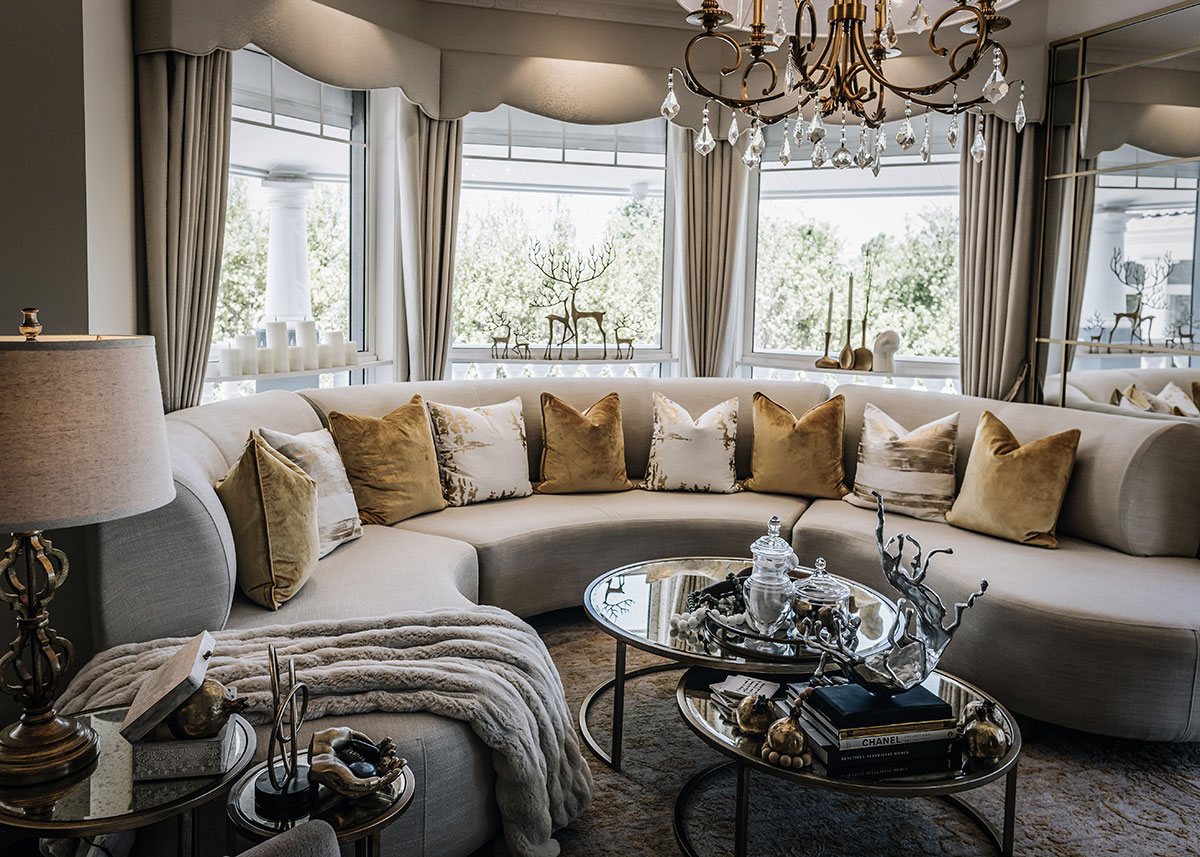
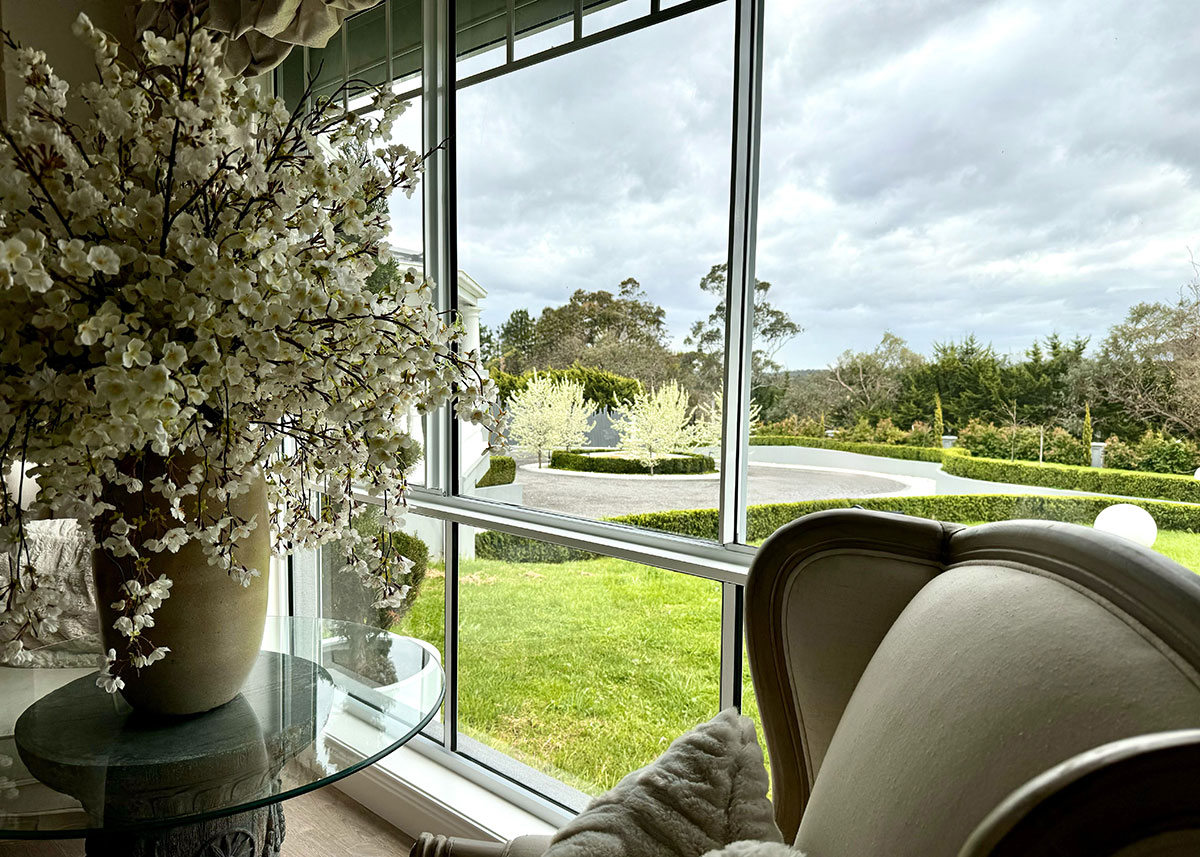
The way light interacts with a space can make or break the design. Natural light changes throughout the day, and artificial lighting should be planned to complement it not fight it. Warm, dimmable lighting for the evening can make the same space feel entirely different from the bright, airy mornings.
4. Form and Function Must Dance Together
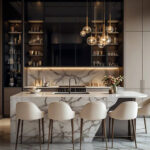
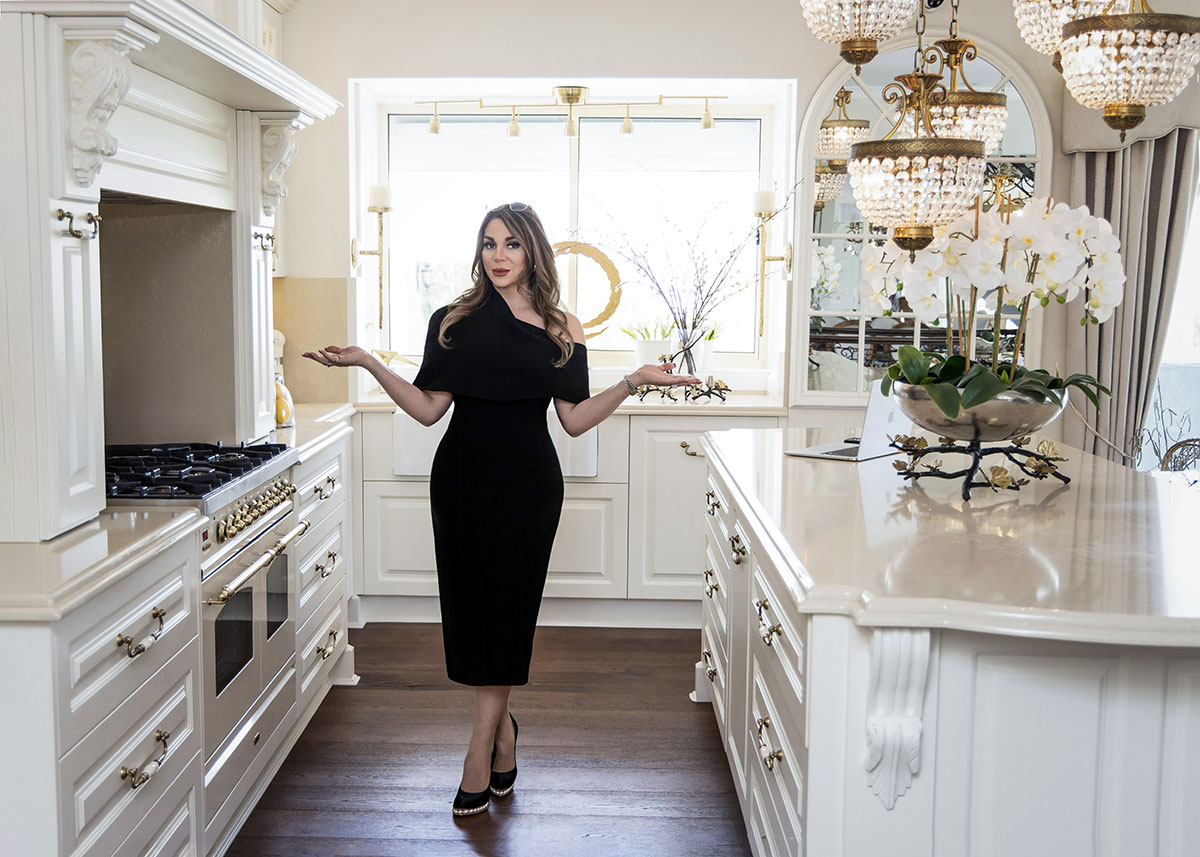
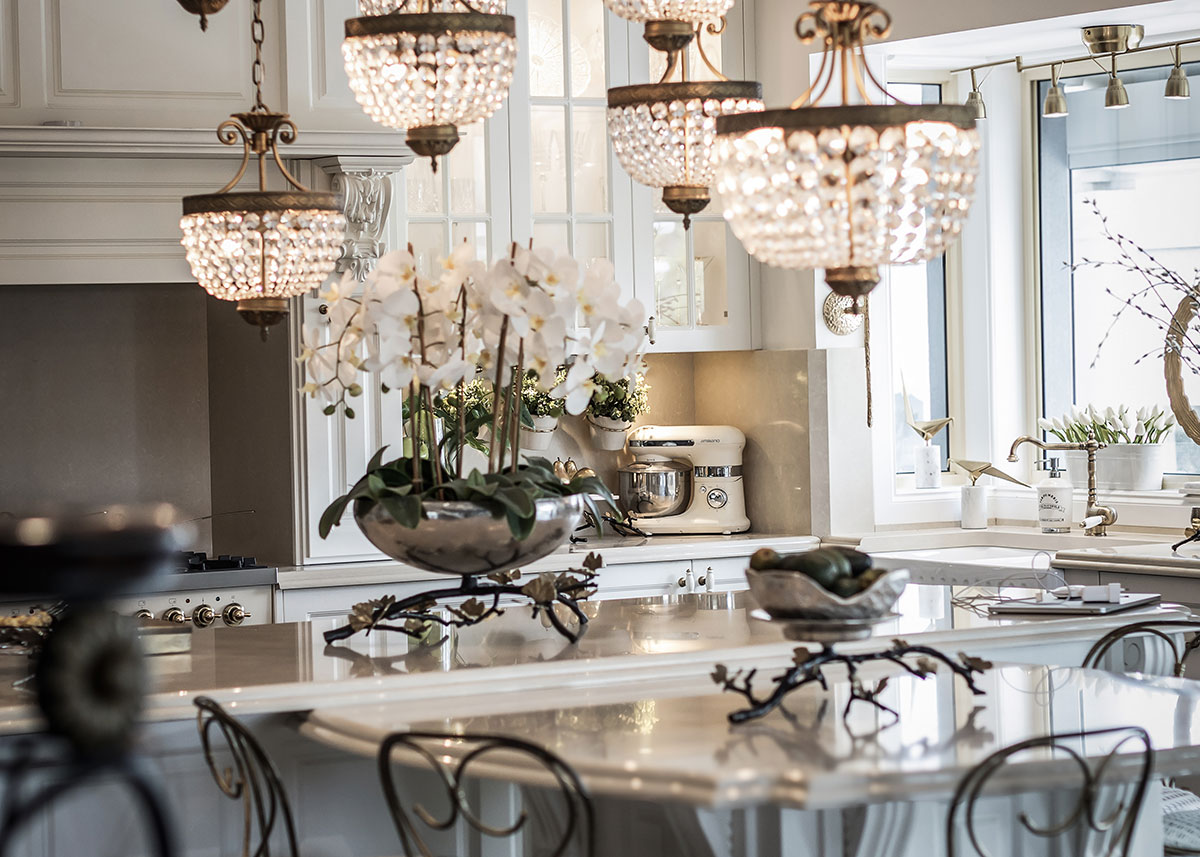
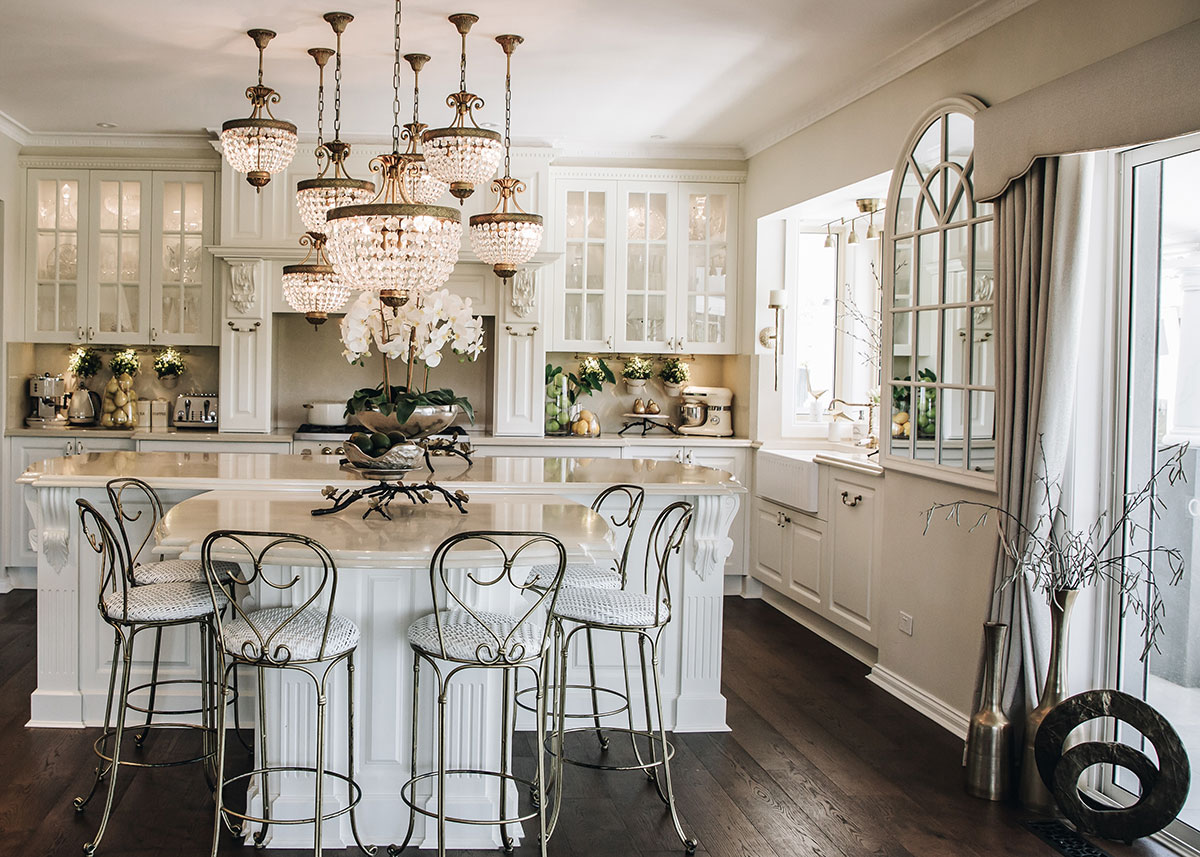
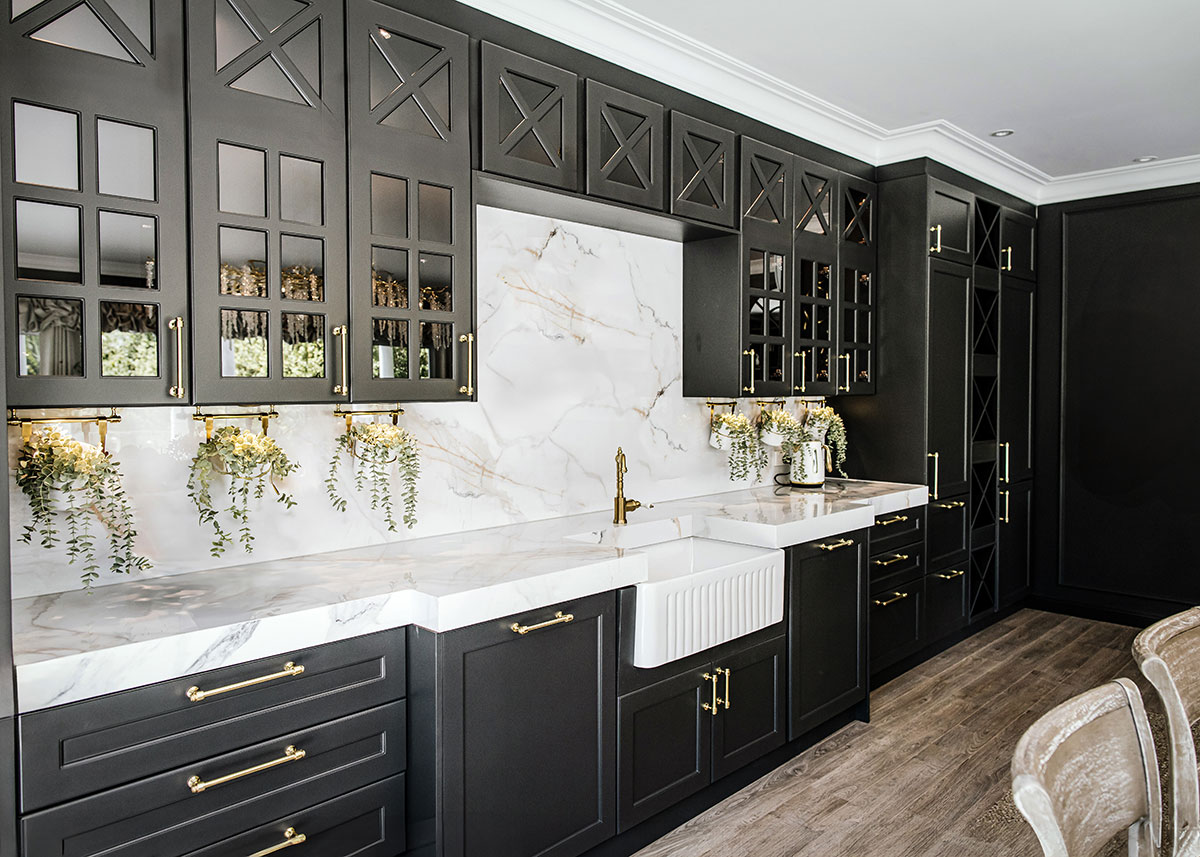
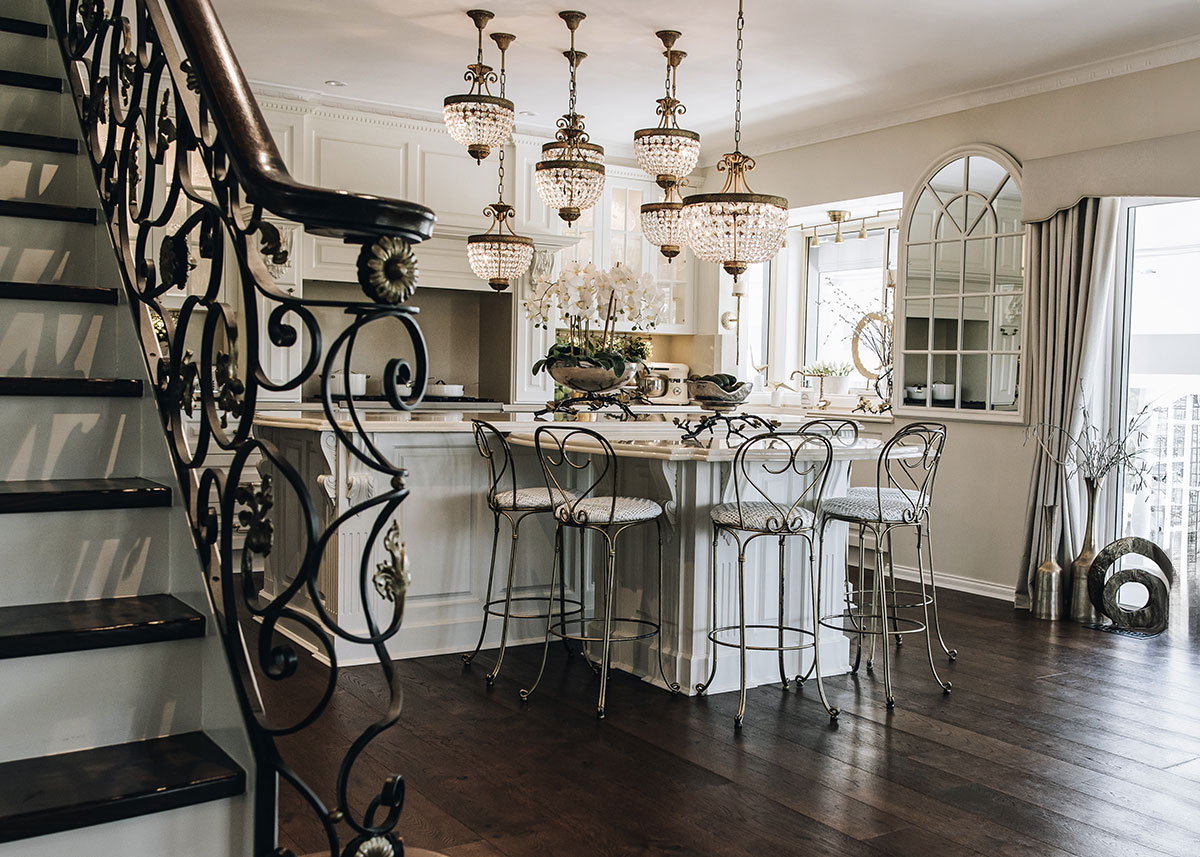
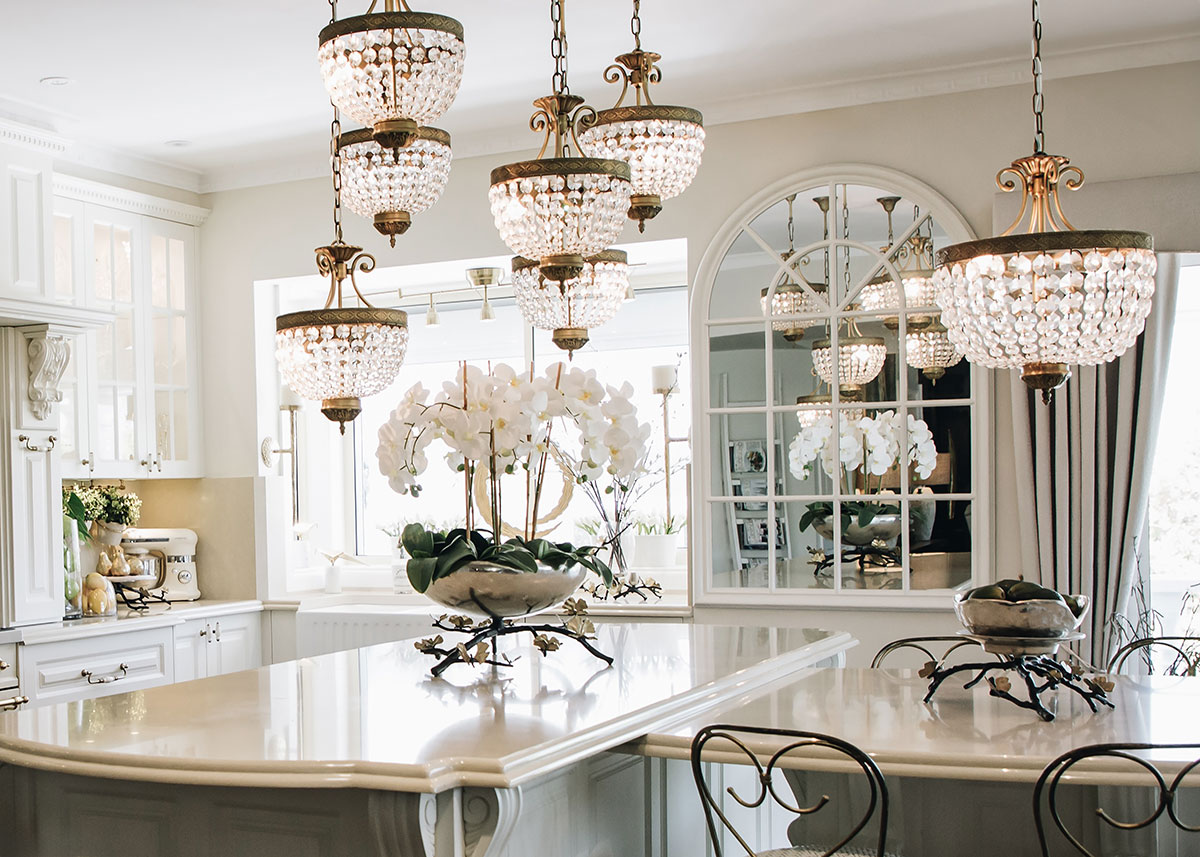
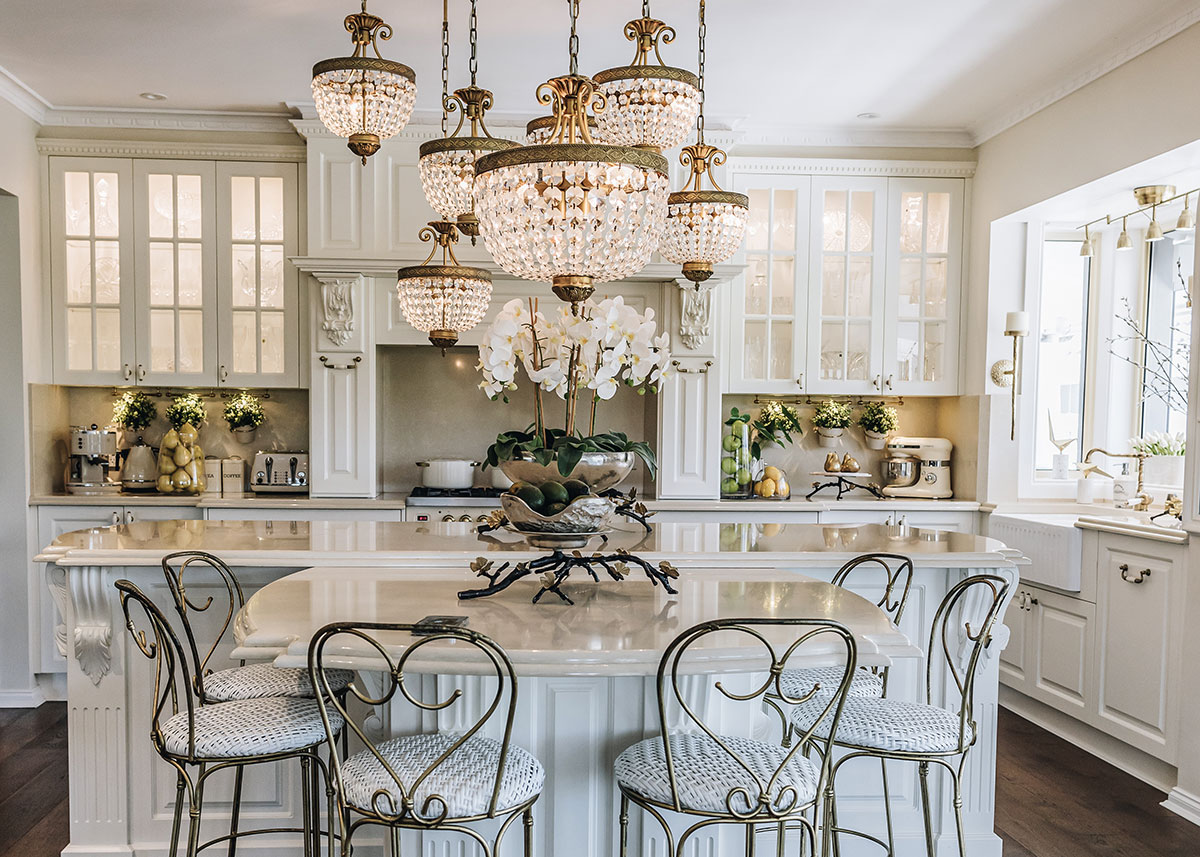
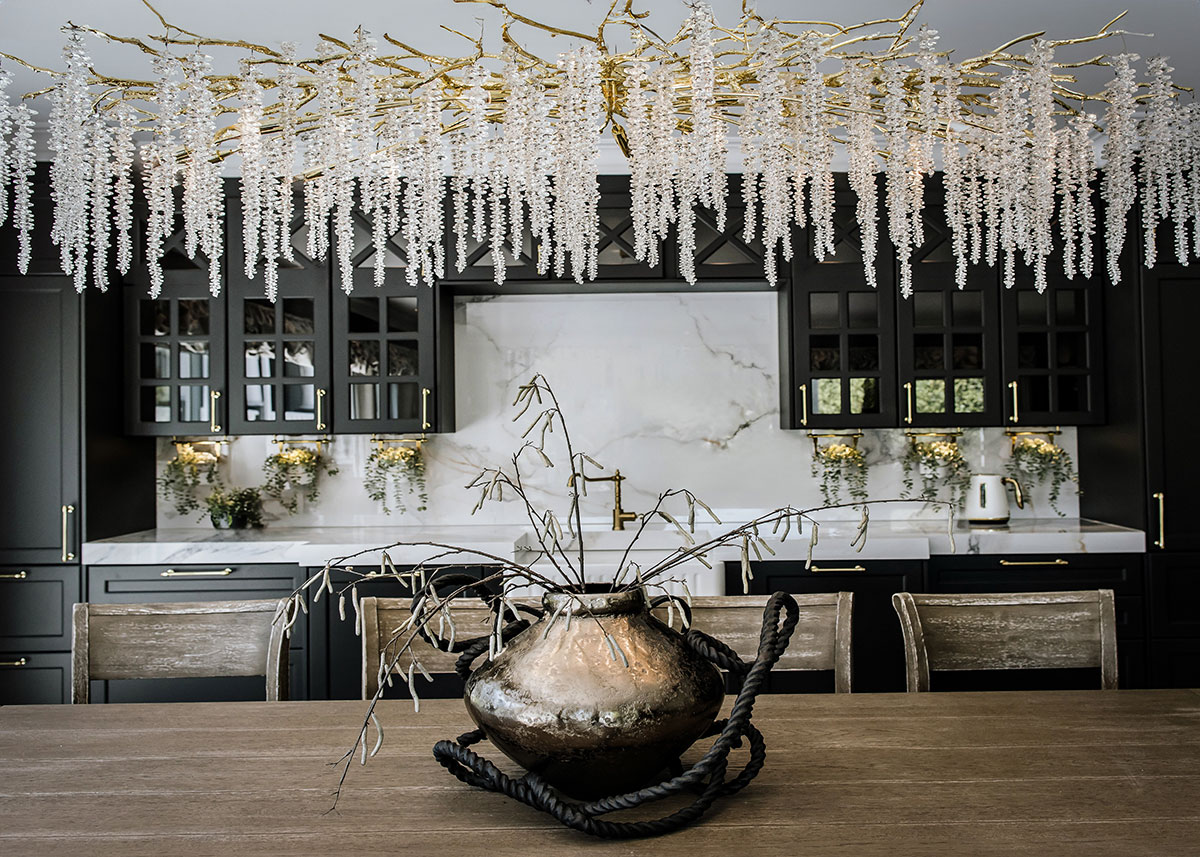
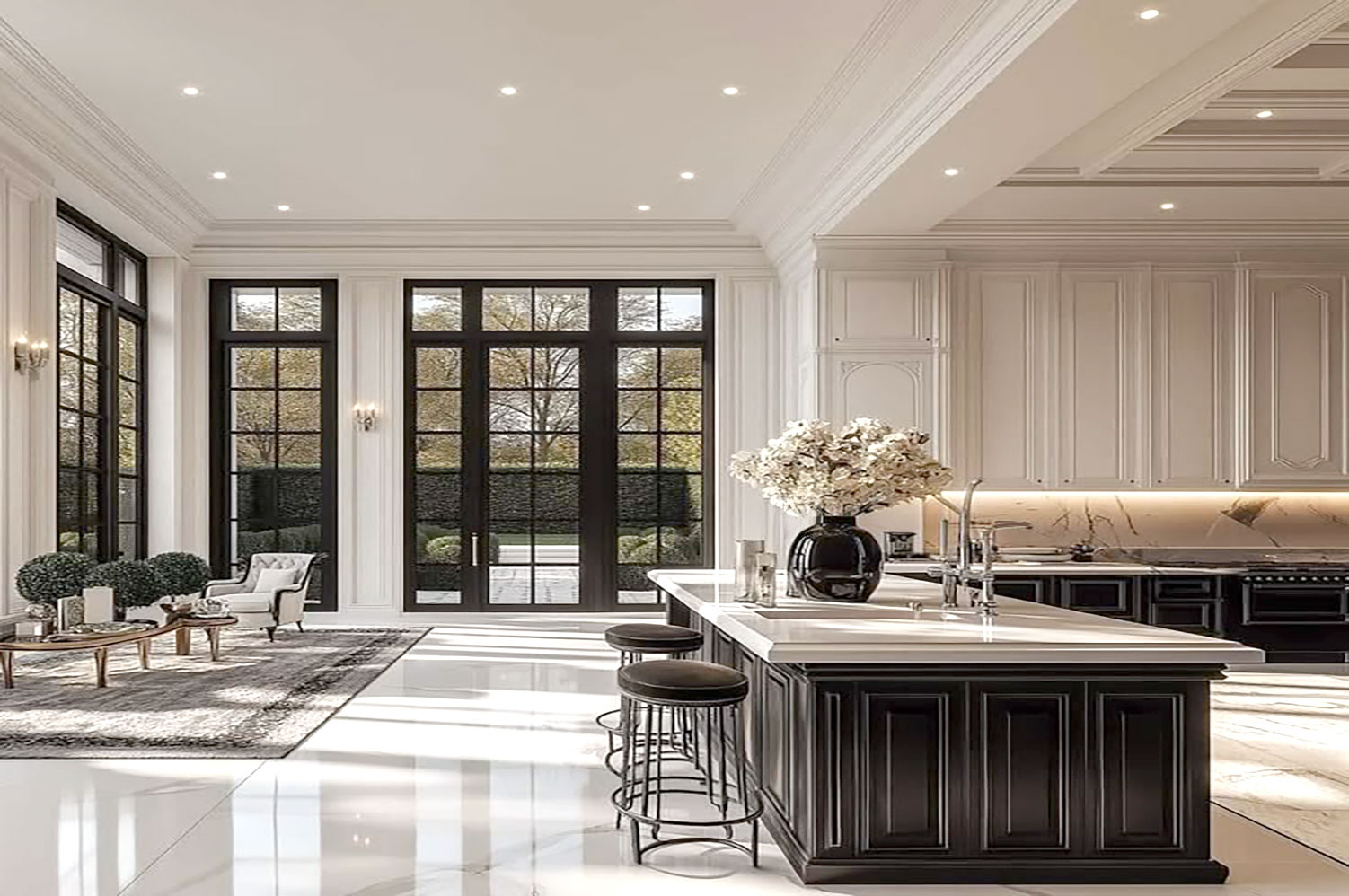
A space can be beautiful but miserable to live in if it’s not functional. Always consider how people will move, interact, and feel in the space. For example, an open-plan kitchen might look stunning in photos, but if the workflow between the fridge, stove, and sink isn’t considered, it becomes frustrating in real life.
5. Design for Longevity, Not Just Trends
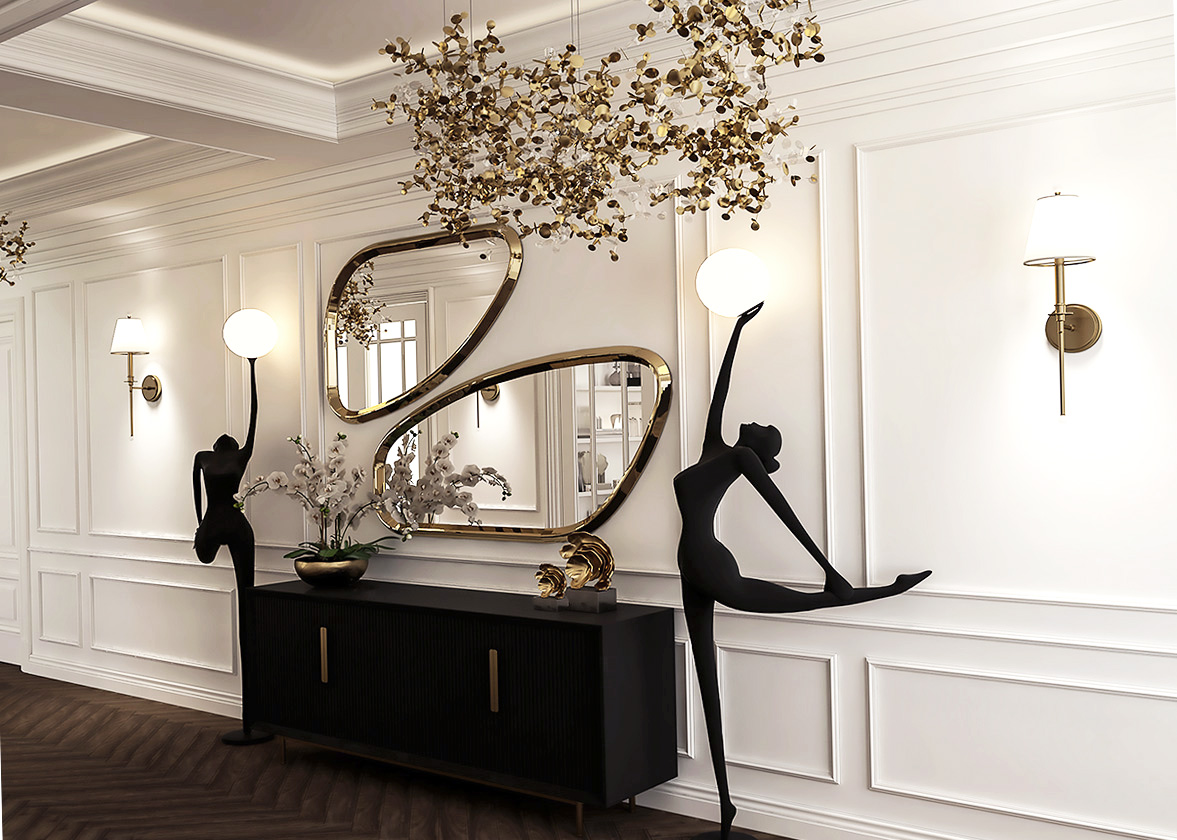
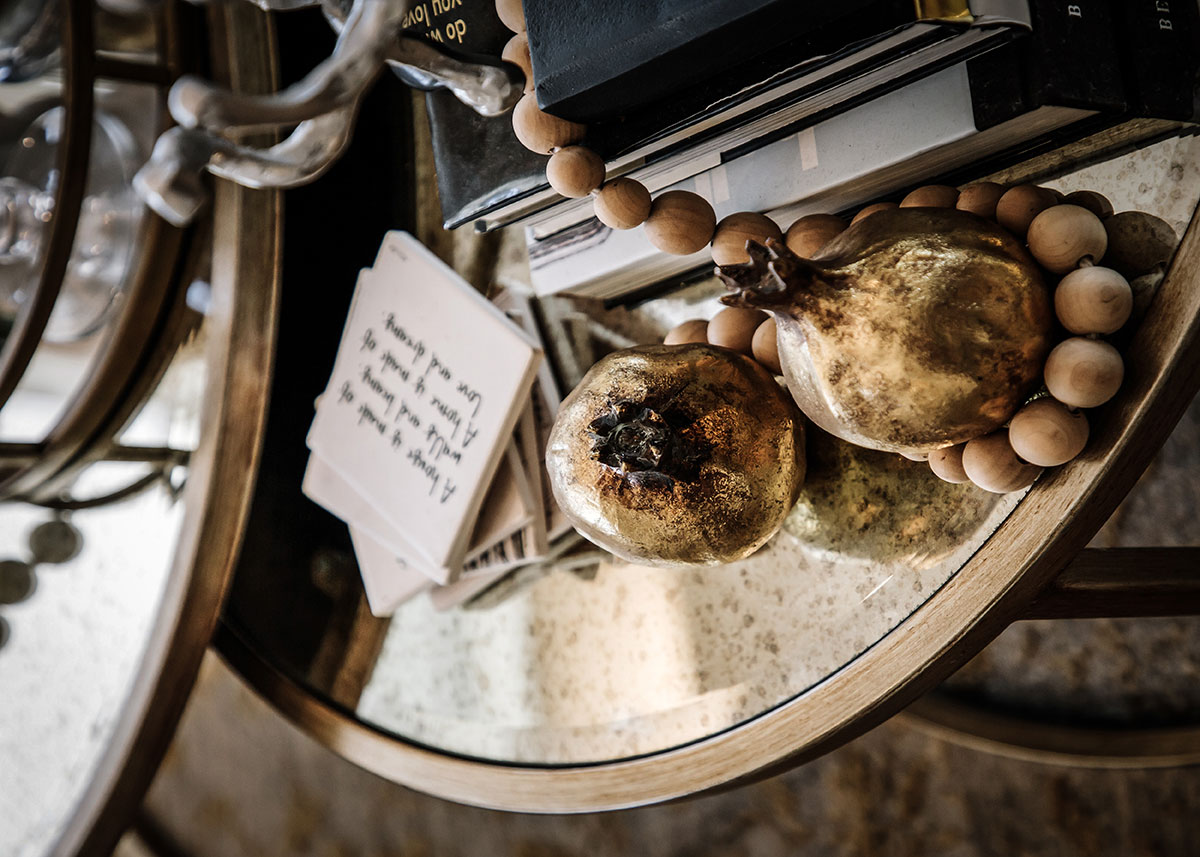
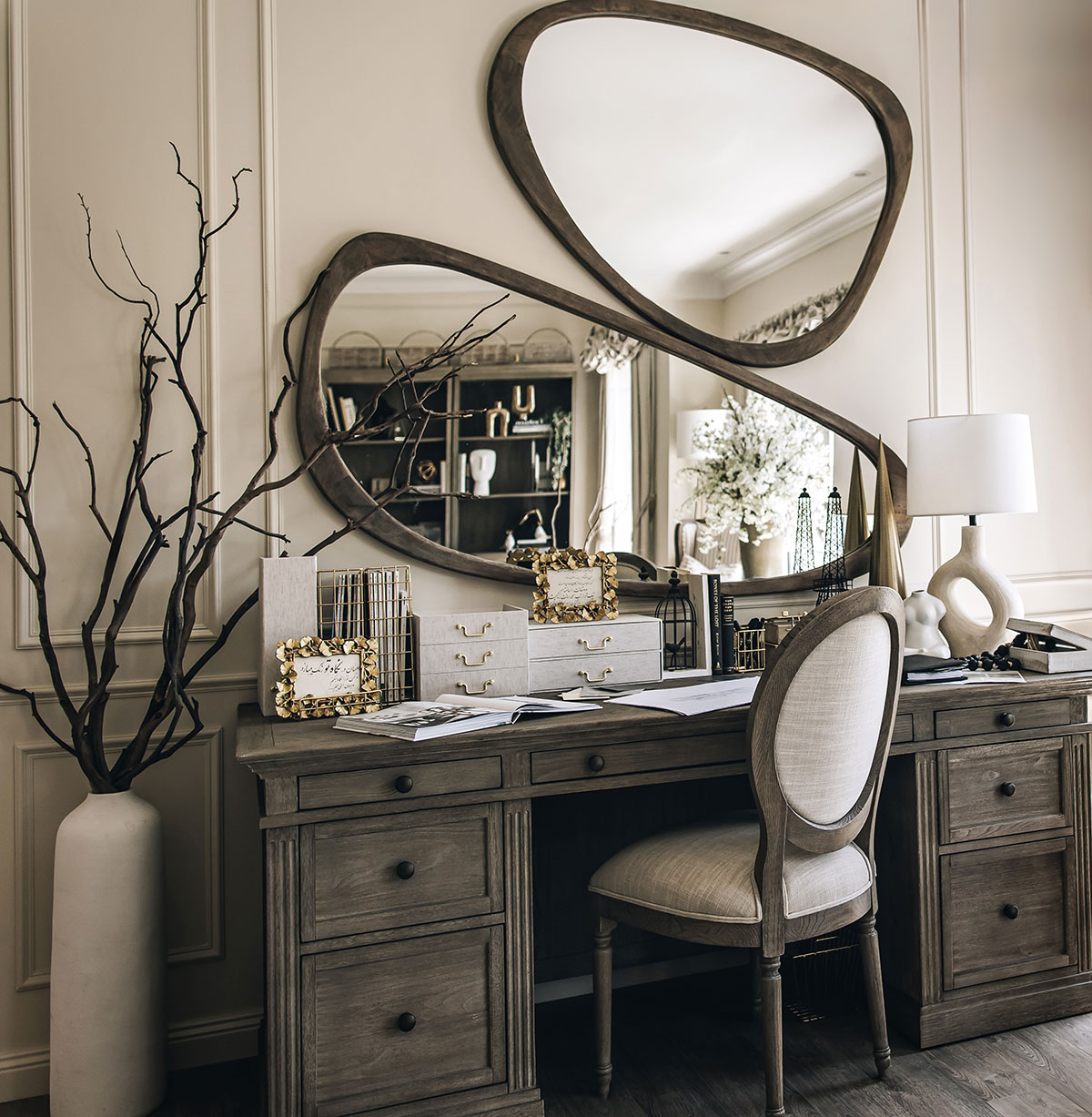
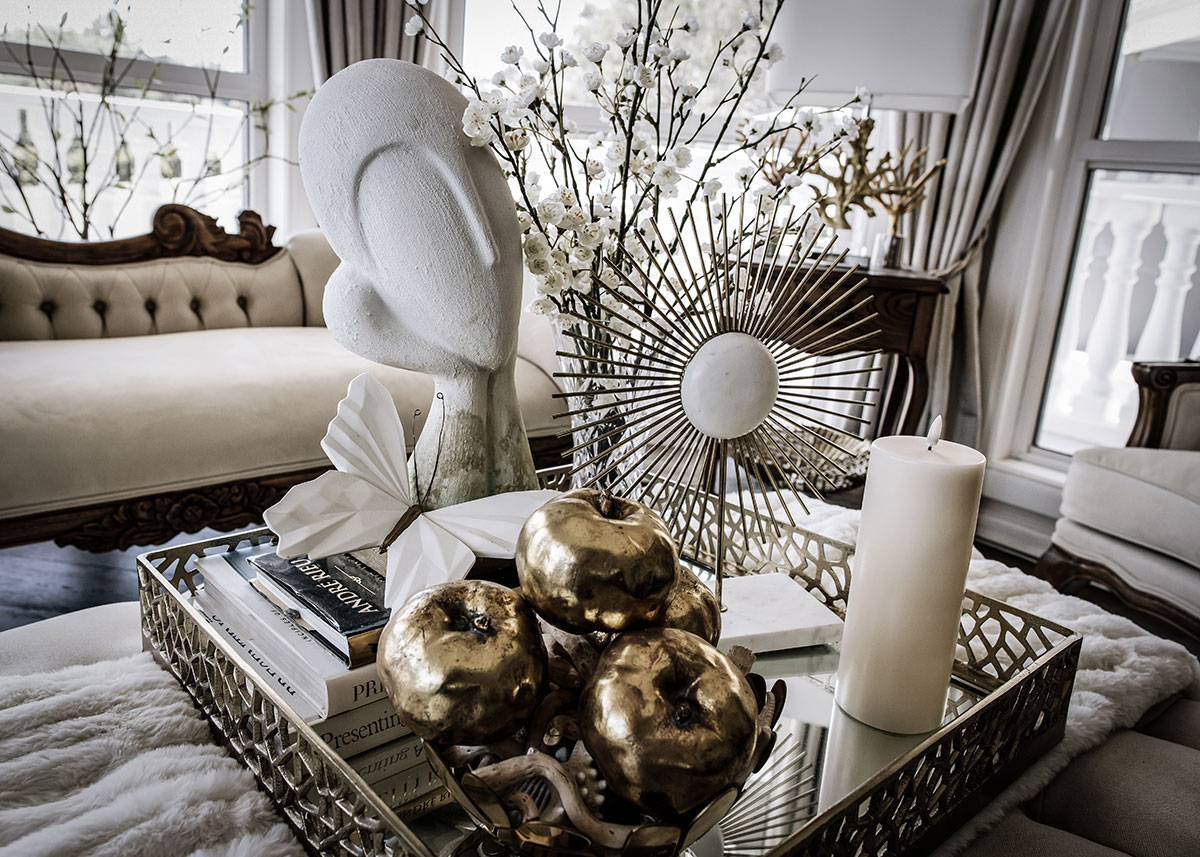
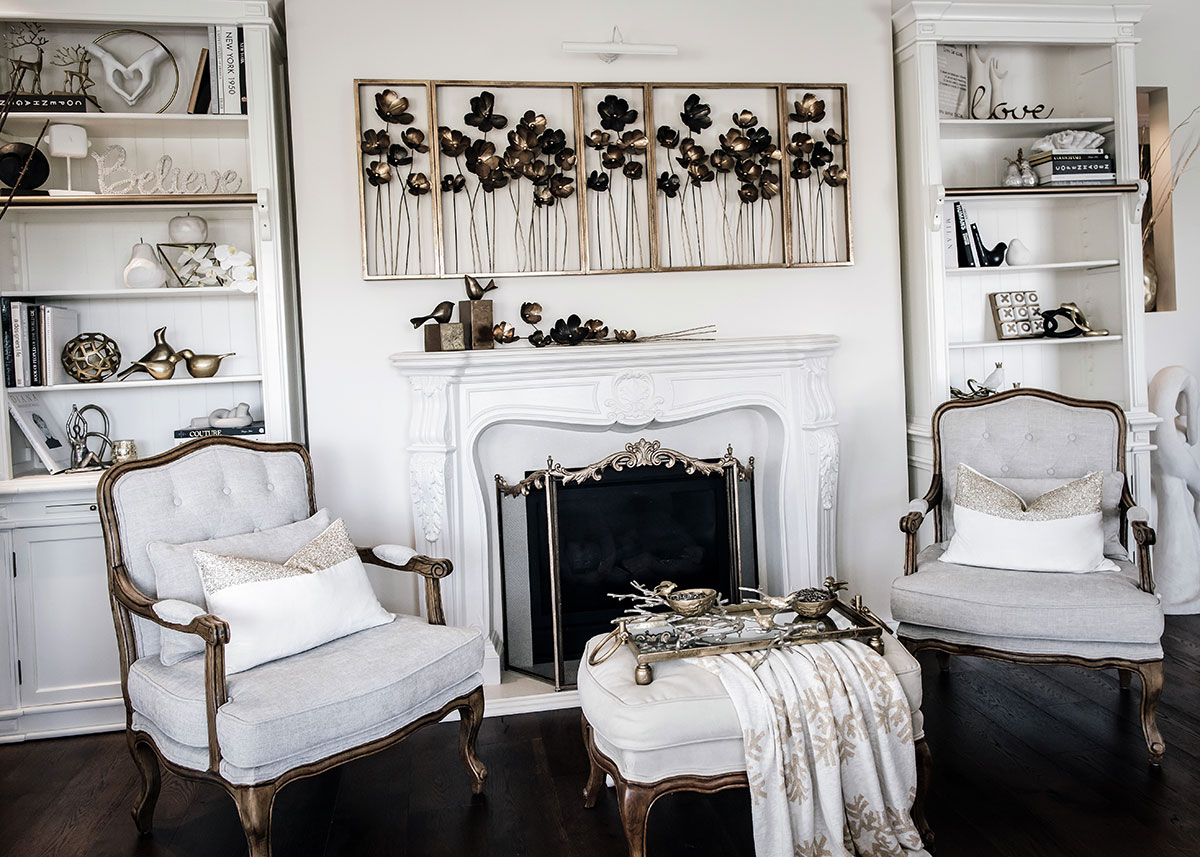
Trends can be exciting, but timeless design endures. Invest in high-quality materials and classic elements, then use accessories and accents to bring in personality and current styles. This way, your space will feel fresh for years without needing a full redesign.
6. Architecture and Interiors Are a Conversation
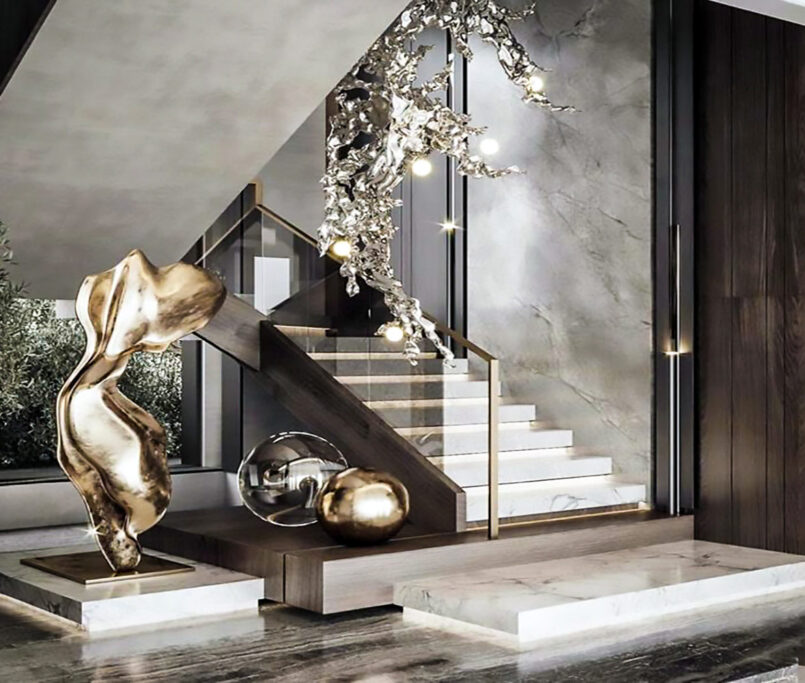
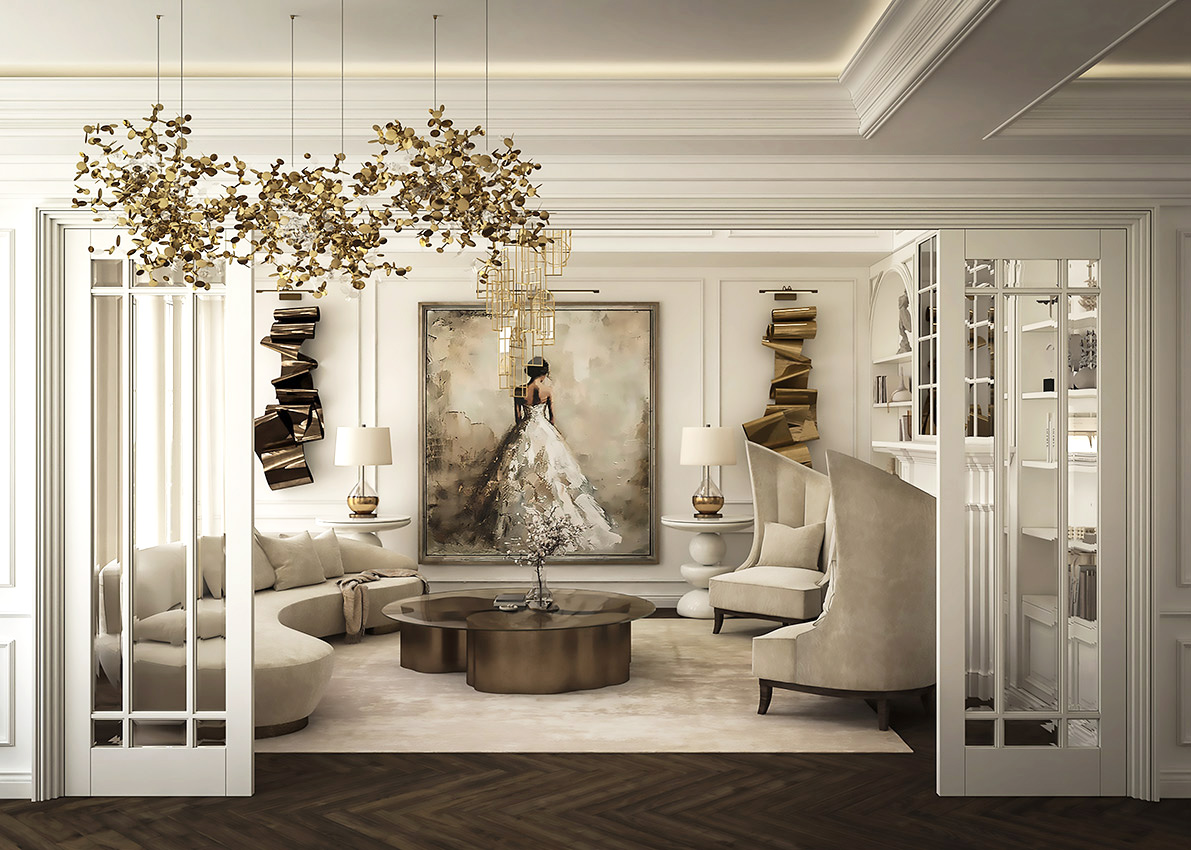
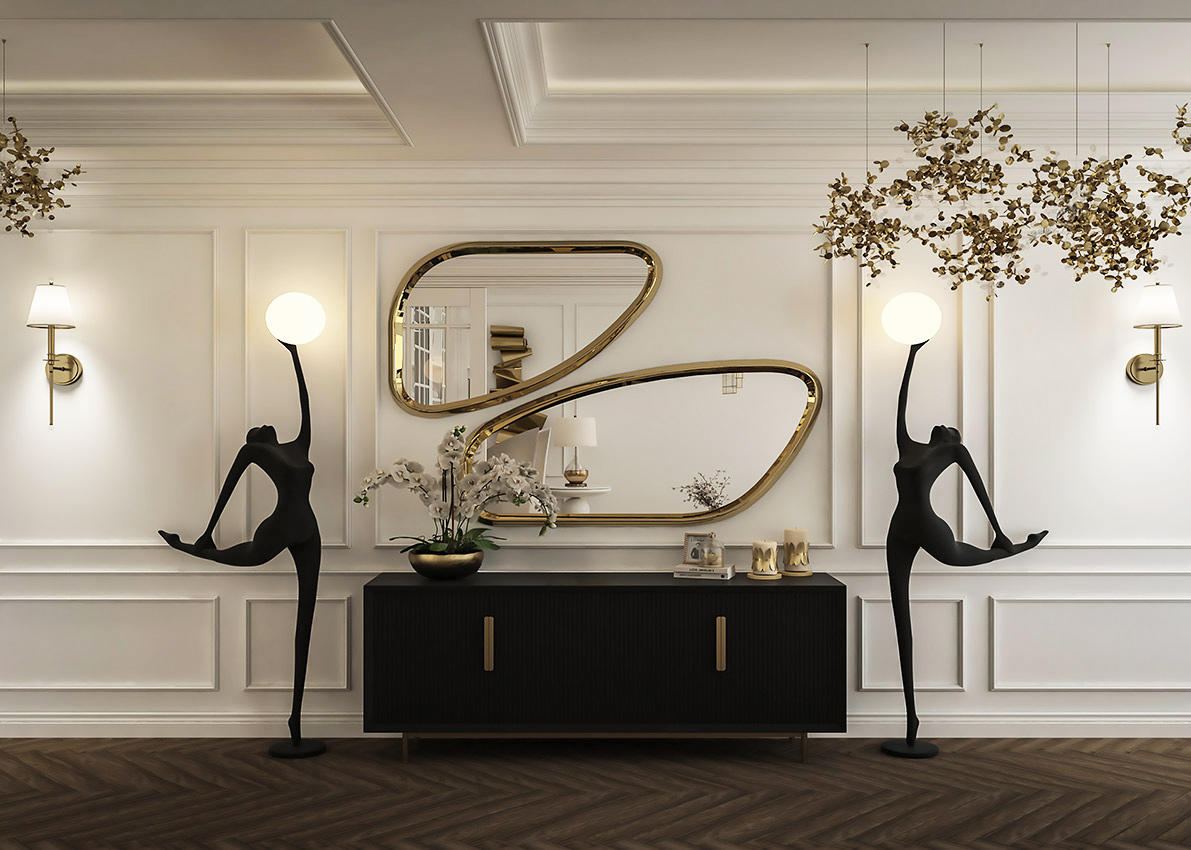
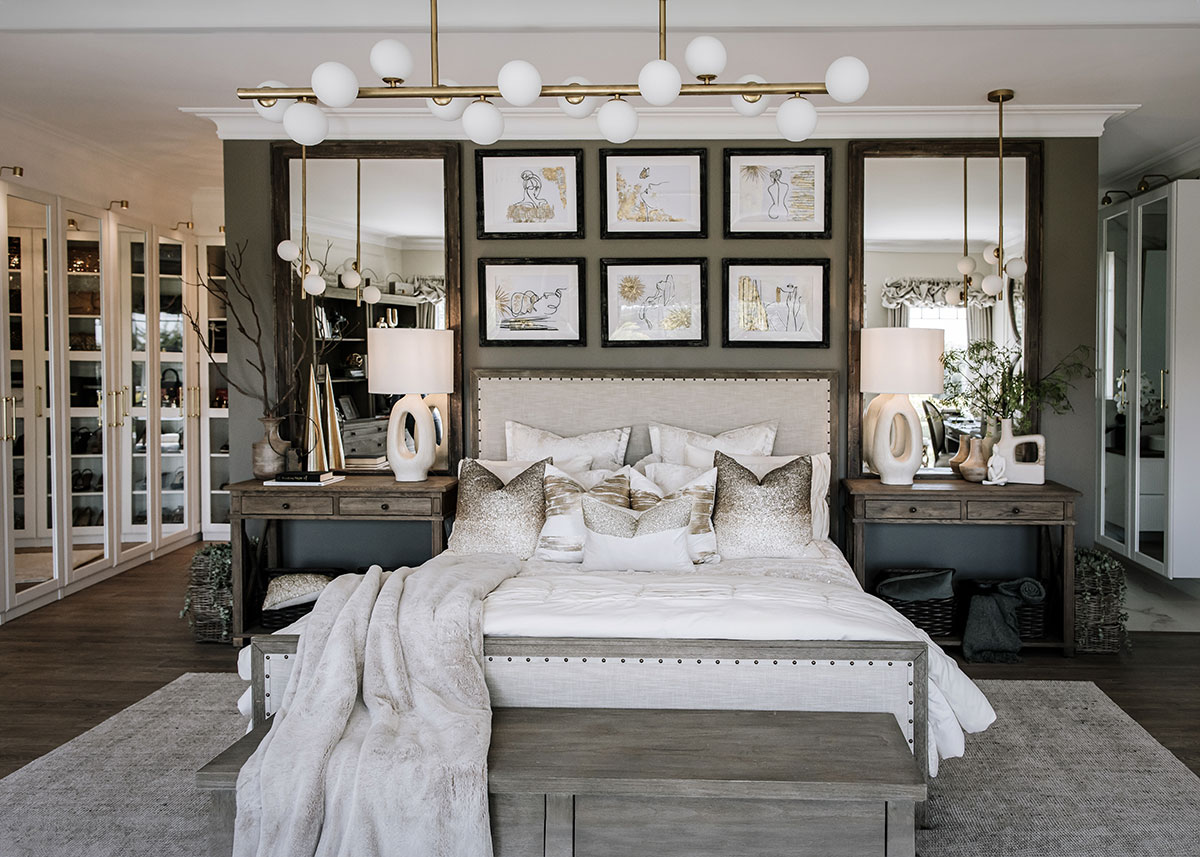
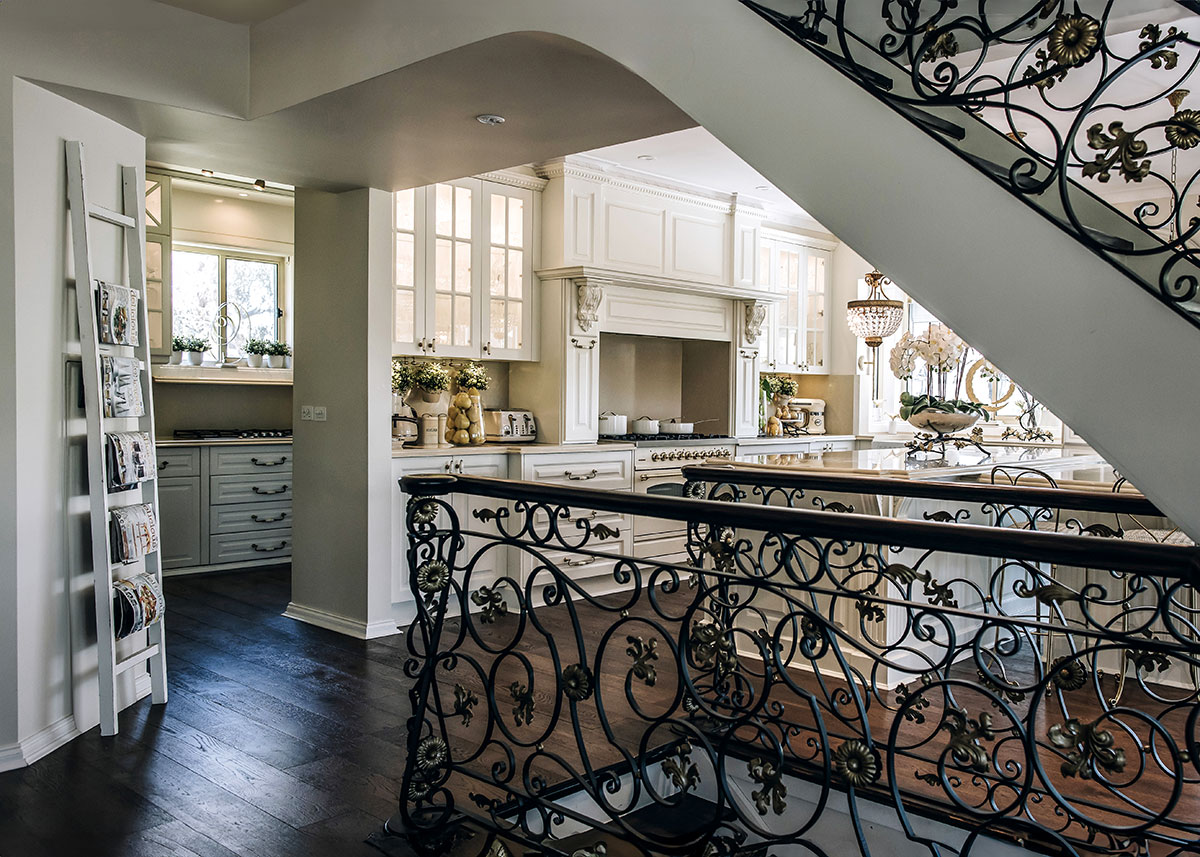
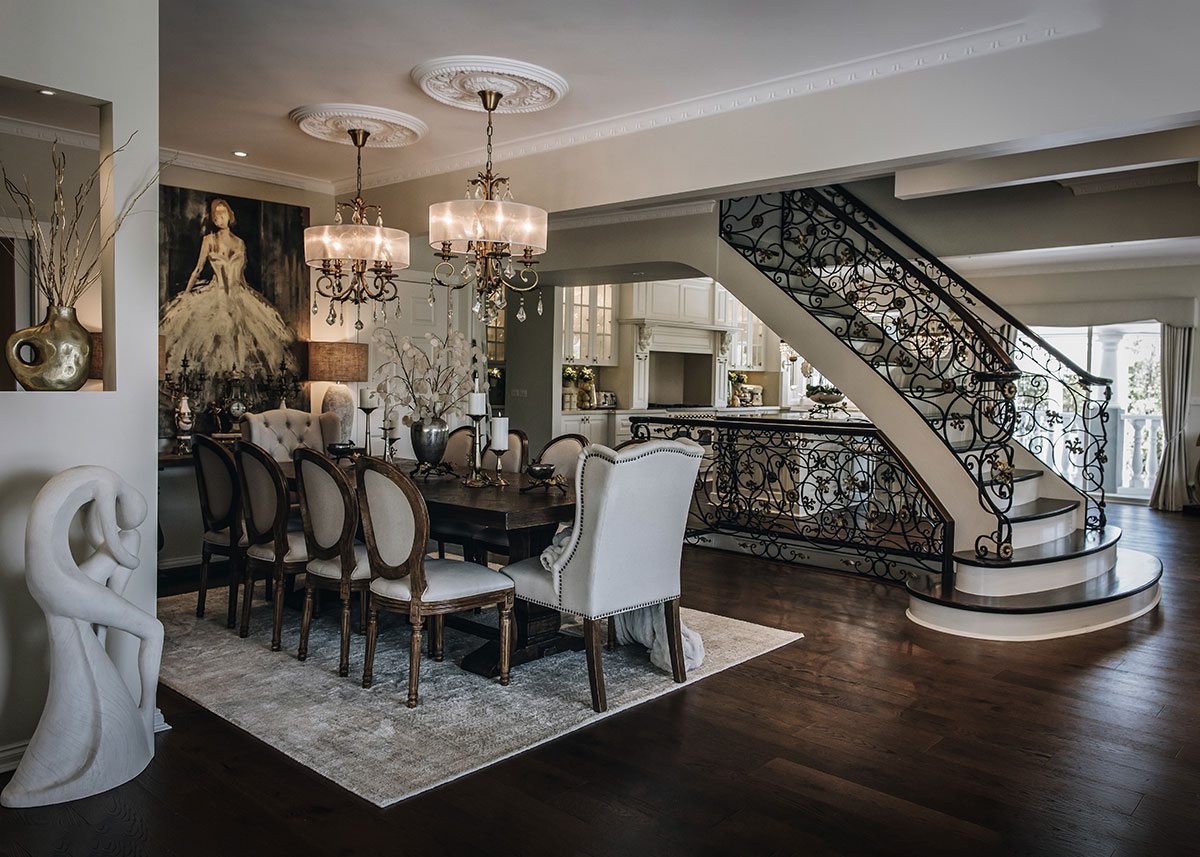
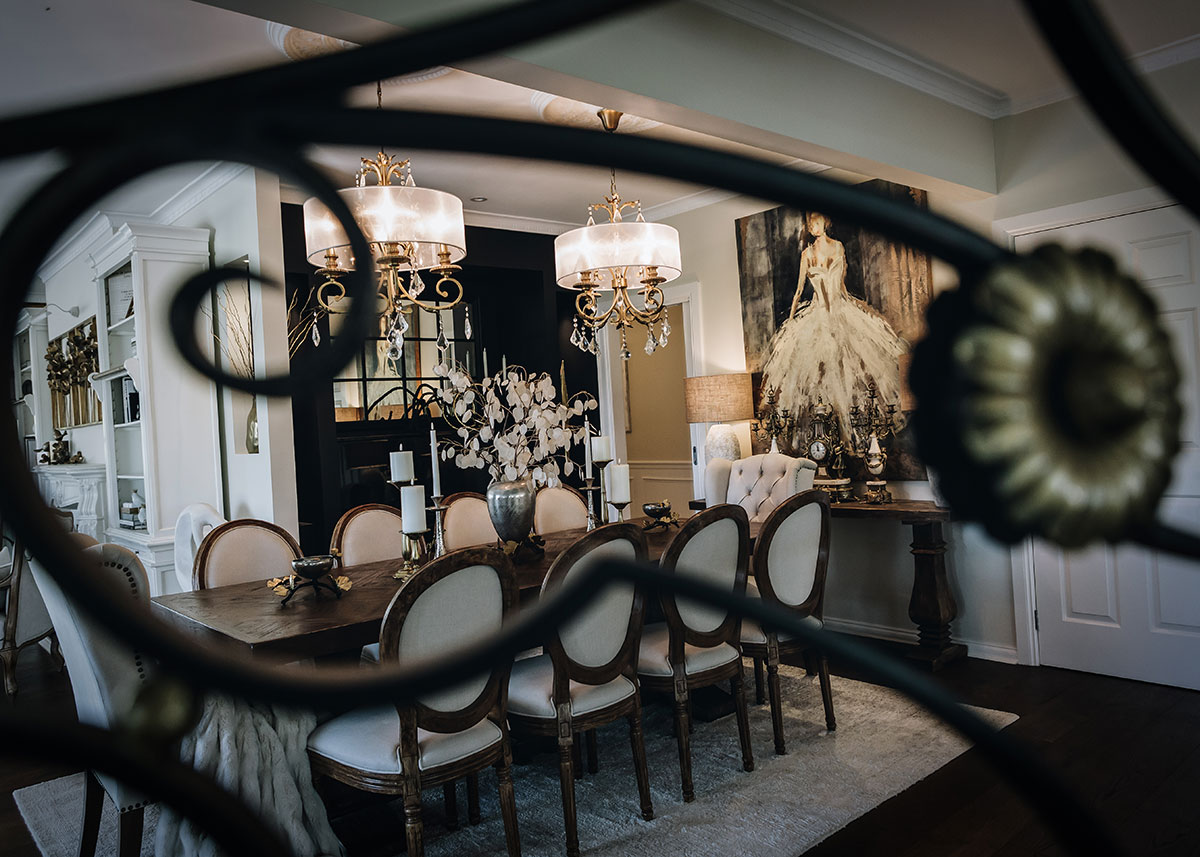
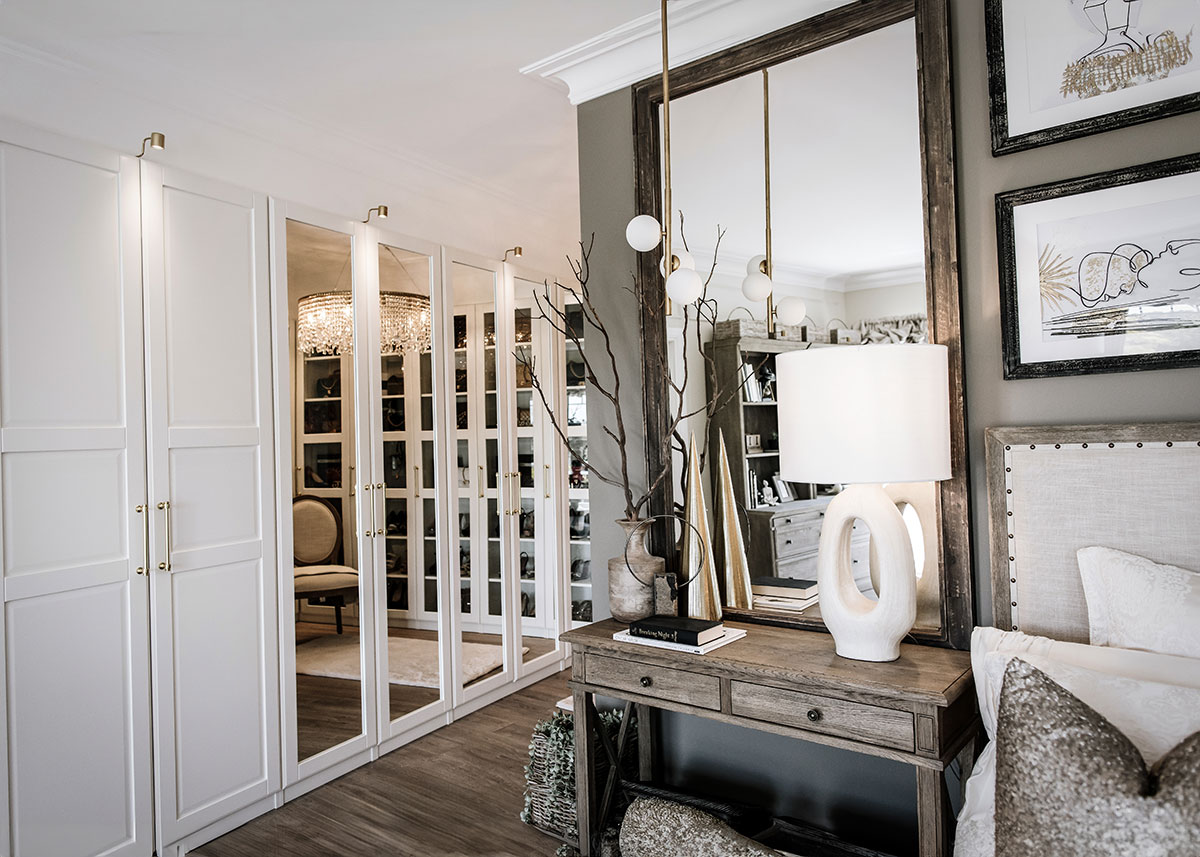
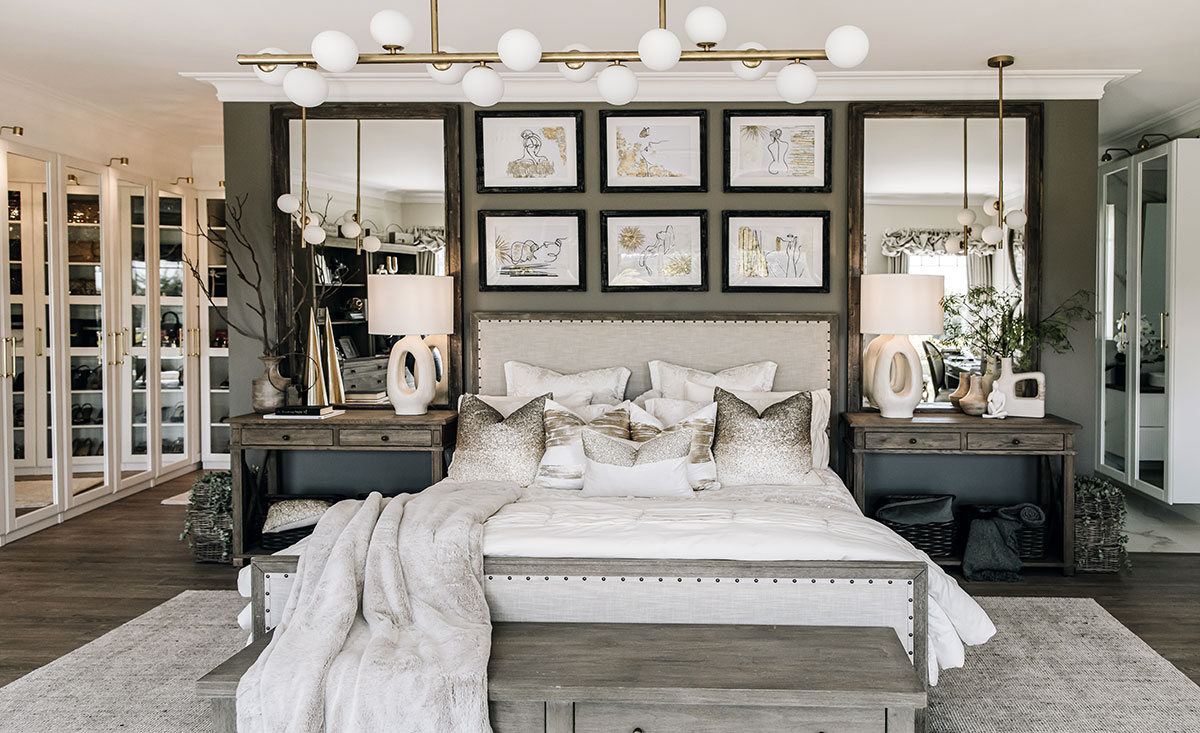
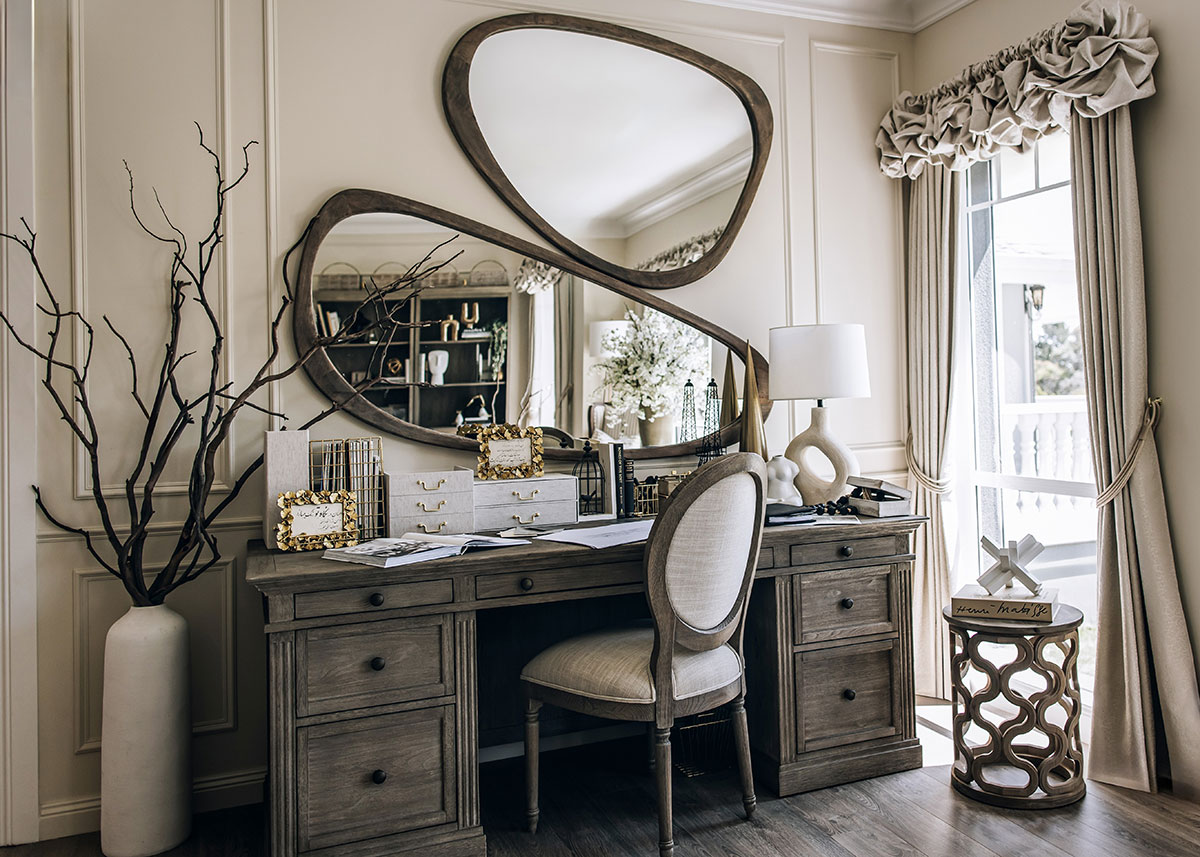
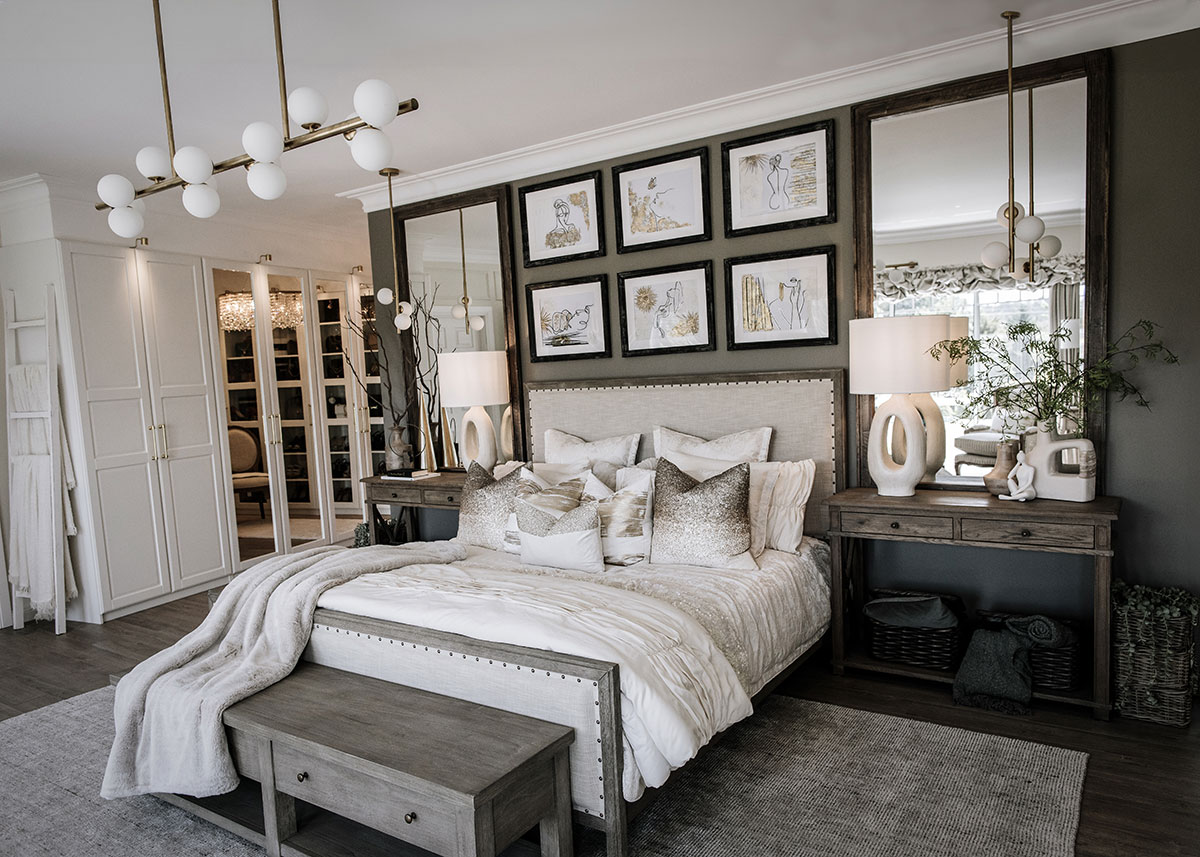
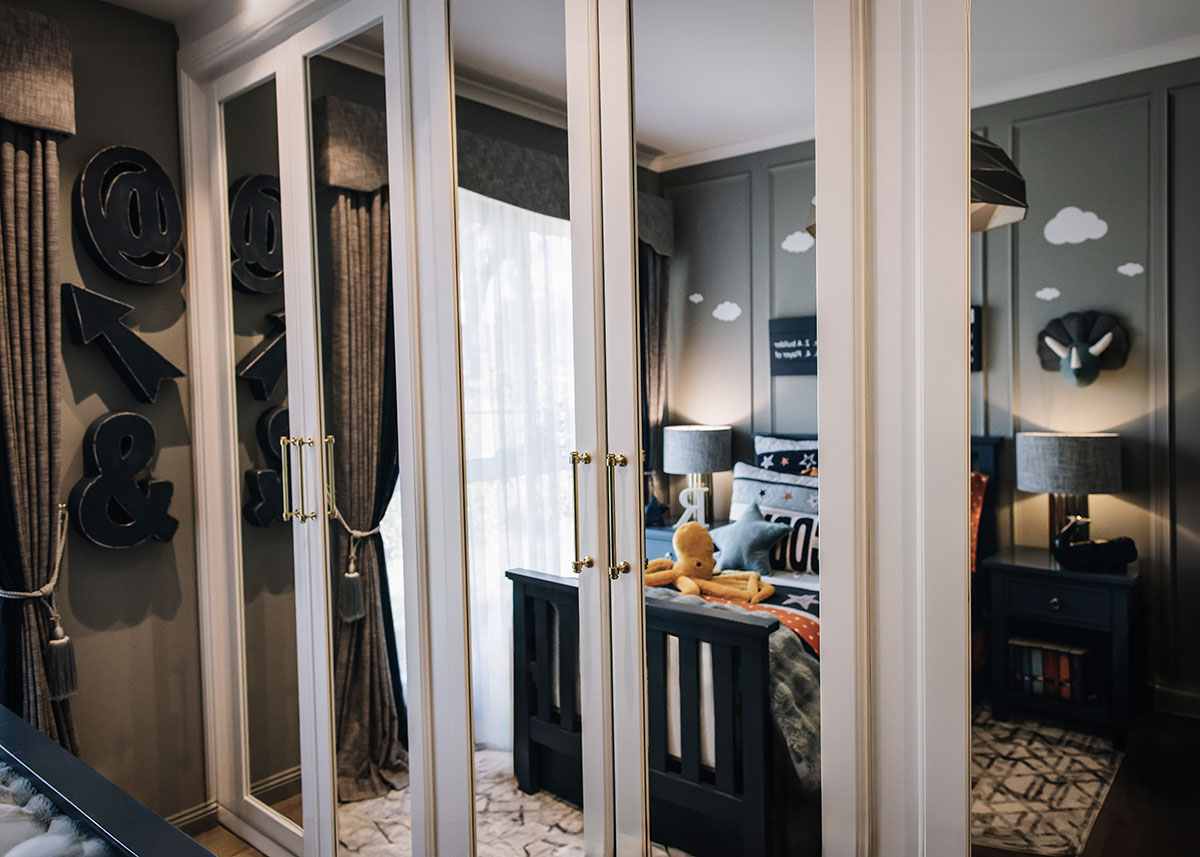
Too often, architecture and interior design are treated as separate stages but the best results happen when they’re developed together. When the walls, lighting, joinery, and furnishings are considered in harmony, the result feels intentional and cohesive, not pieced together.
Final Thought
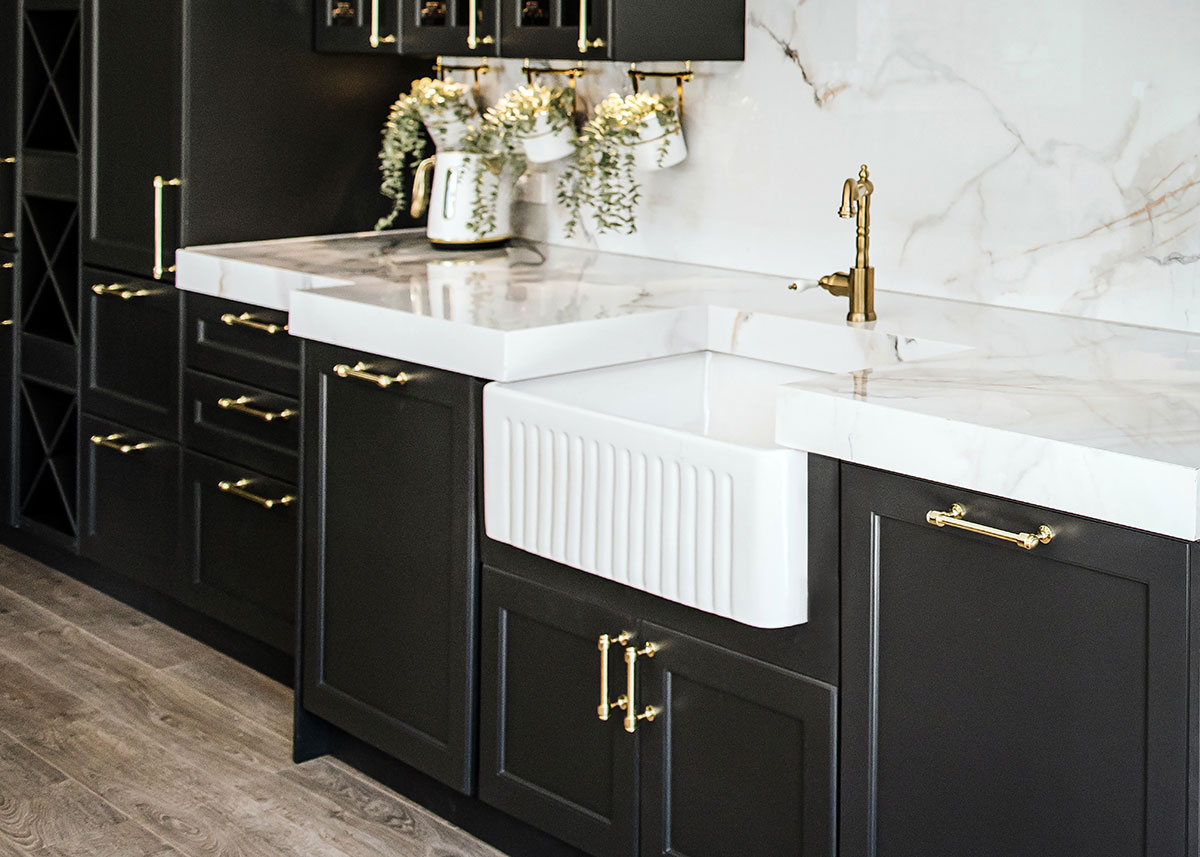
The difference between a well-decorated space and a truly designed space is that in the latter, nothing is accidental. Every detail, from the positioning of a beam to the way a drawer handle feels in your hand, has been considered. When architecture and interior design work in unison, the result is a space that not only looks beautiful but also feels instinctively right.