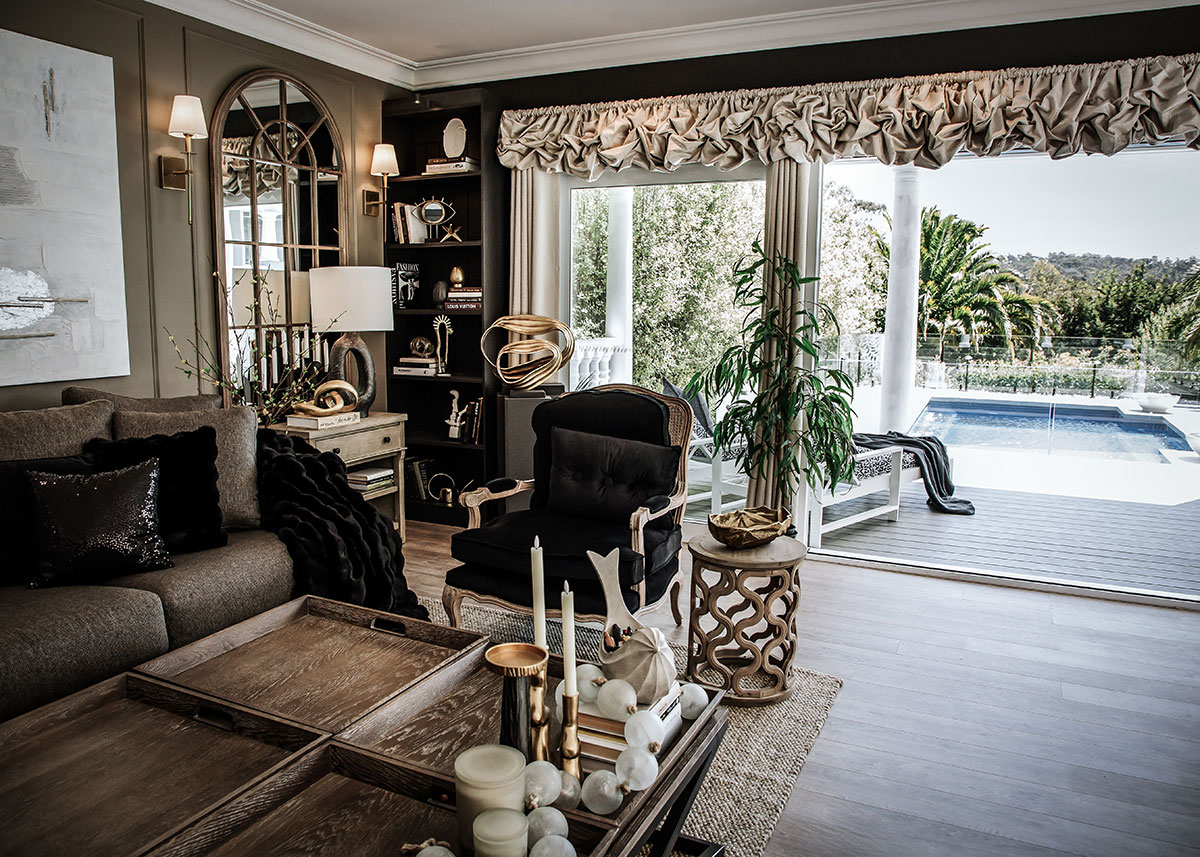
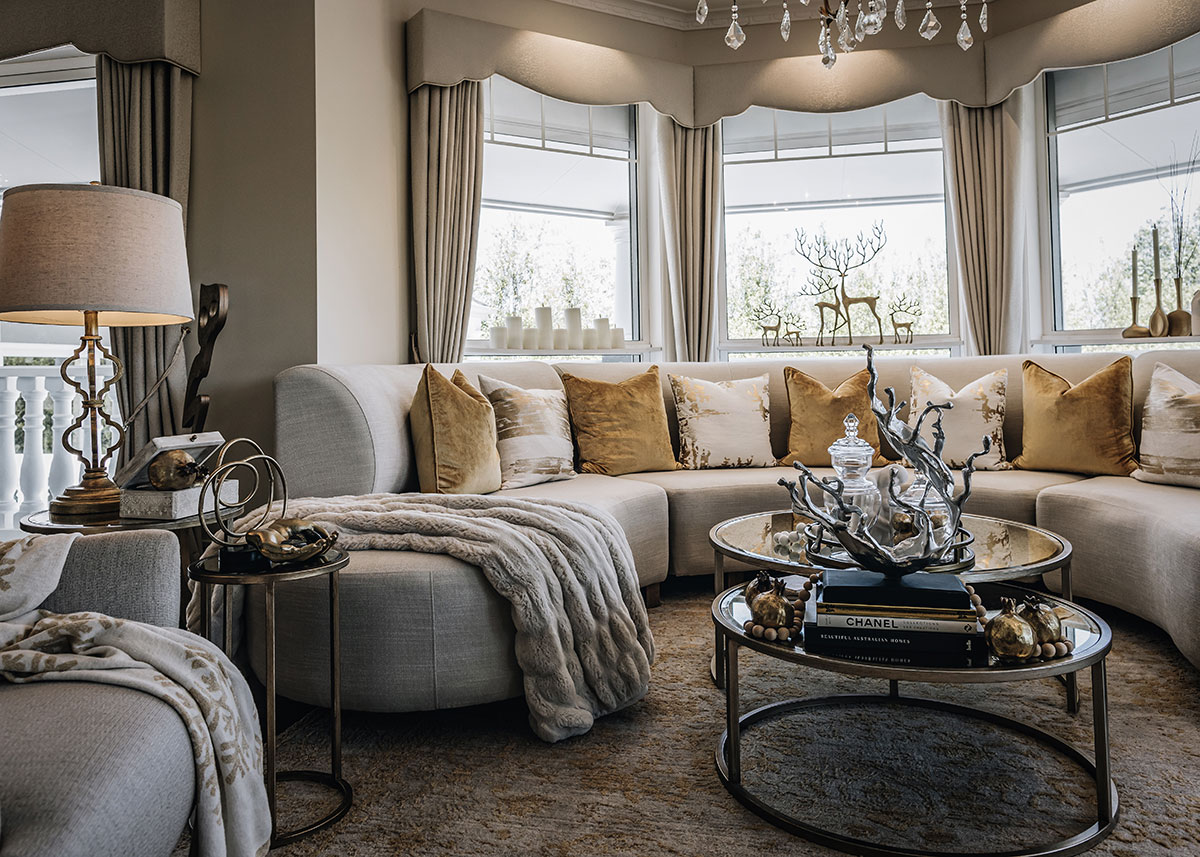
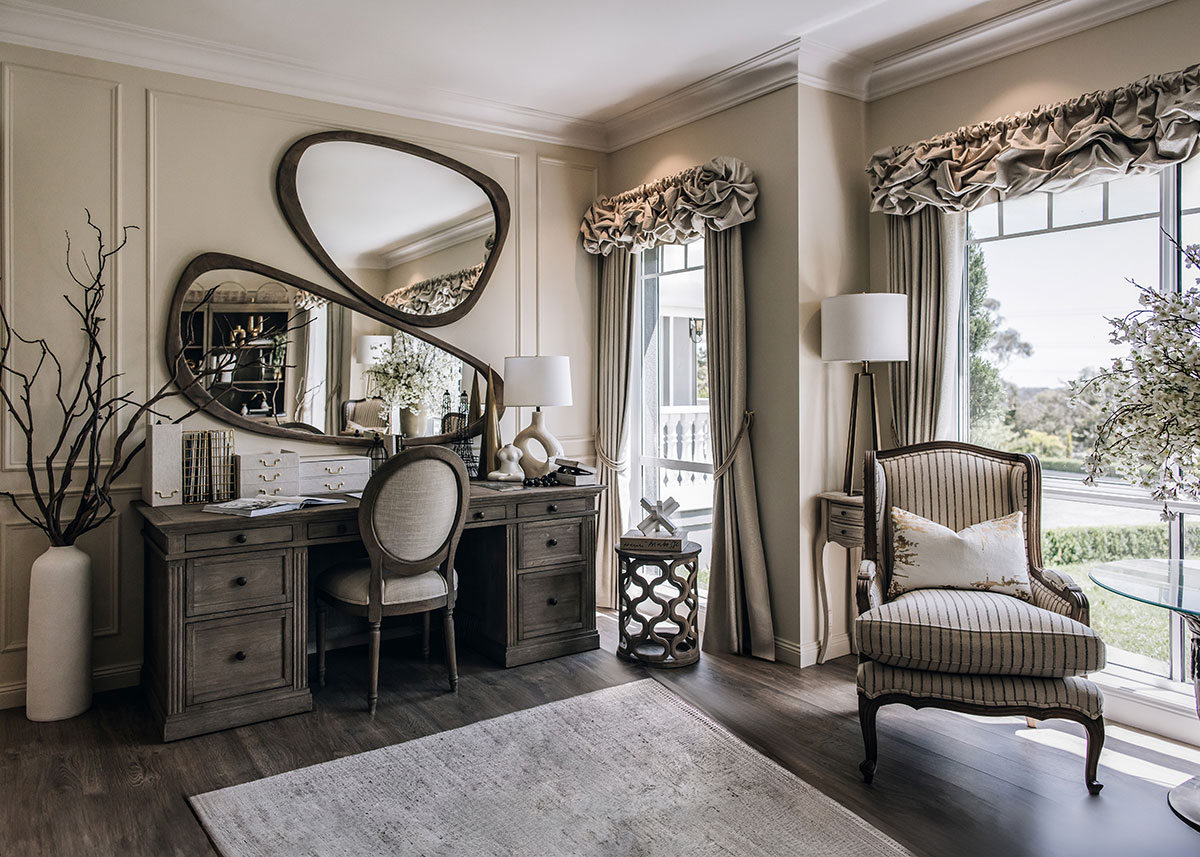
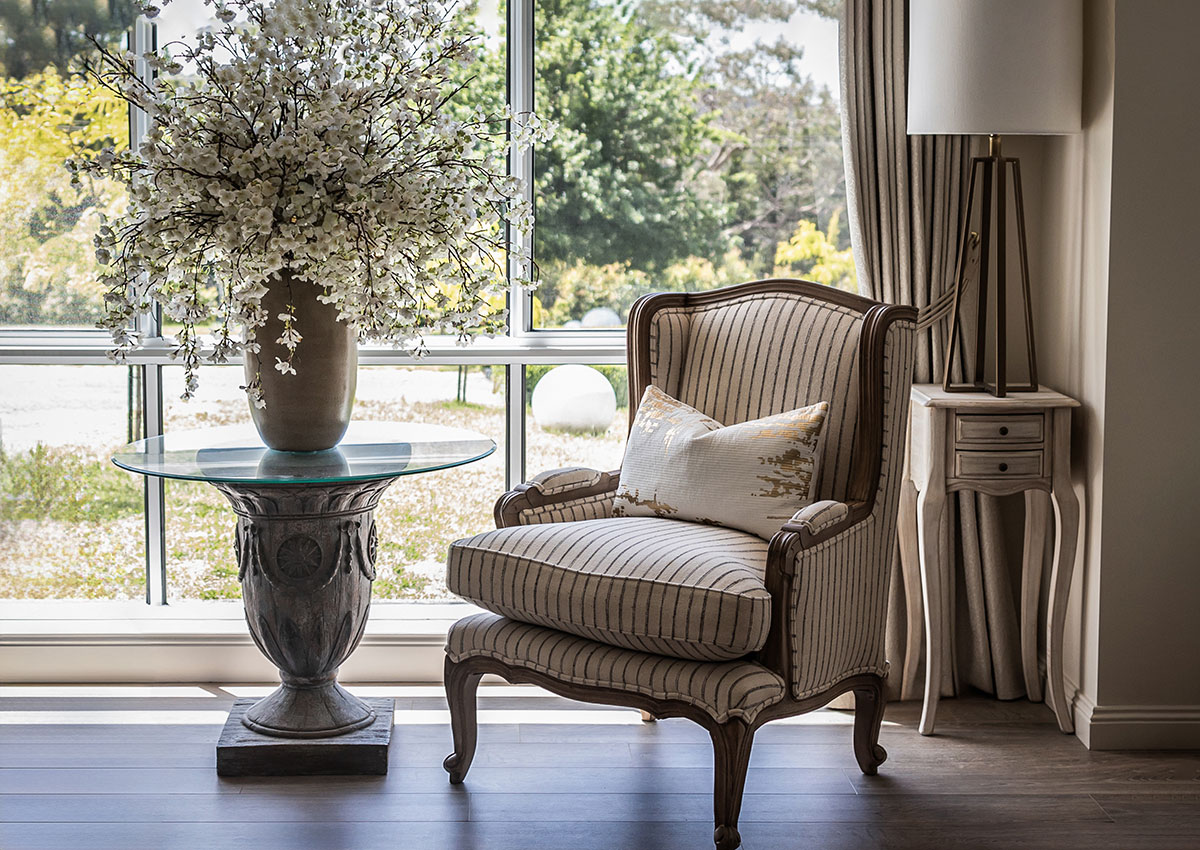
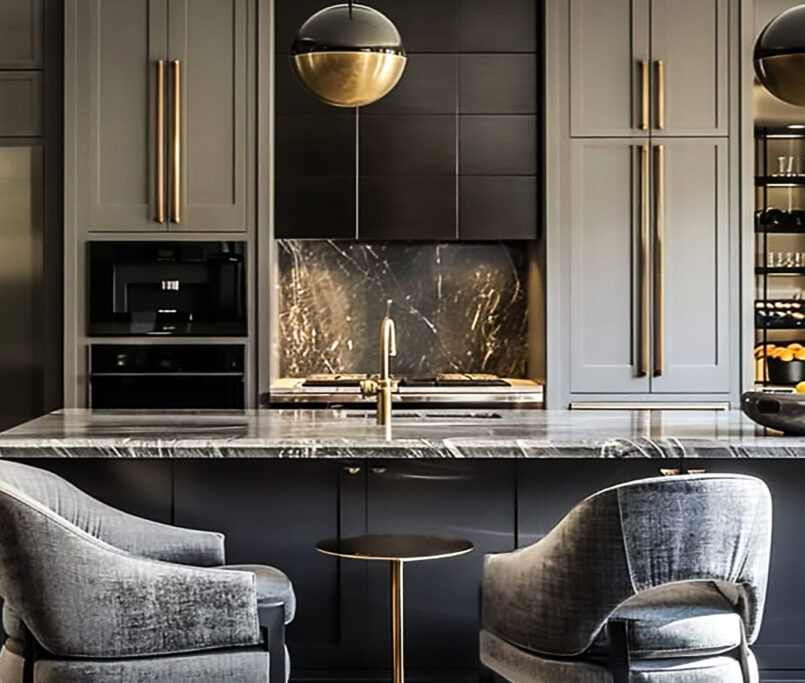
Material selection is one of the most critical decisions in any interior project yet it’s also one of the most underestimated. While finishes may appear similar at first glance, the wrong material choices can lead to long-term maintenance issues, premature wear and costly replacements. Thoughtful material selection isn’t just about appearance; it’s about performance, longevity and lifestyle compatibility.
1. Aesthetic Appeal vs Everyday Durability
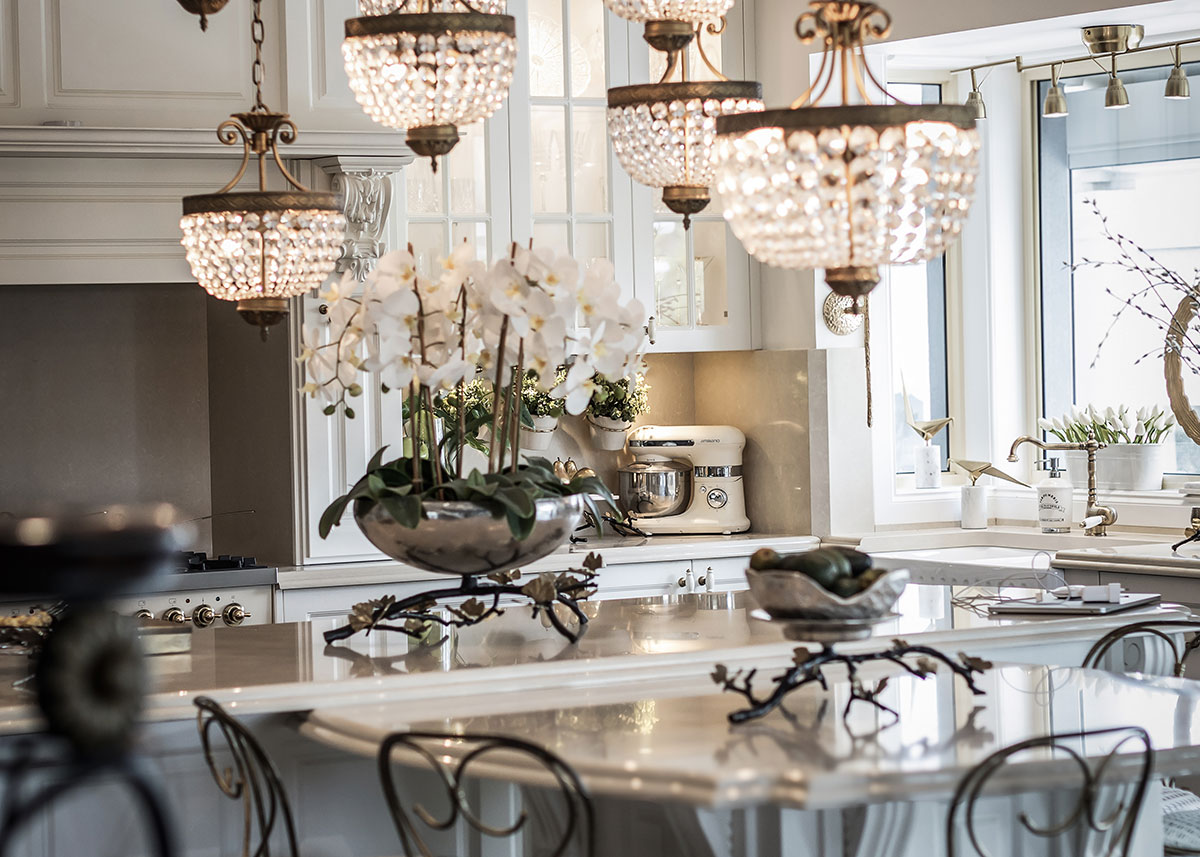
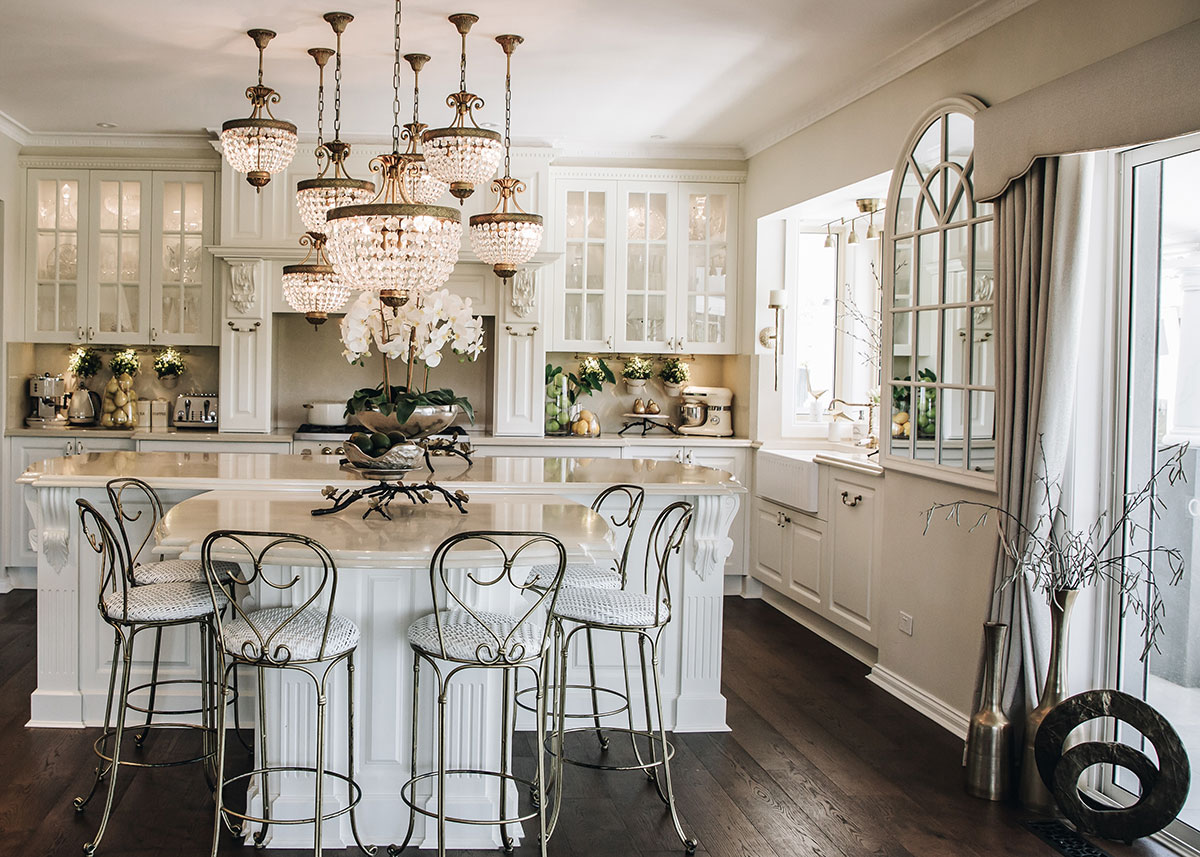
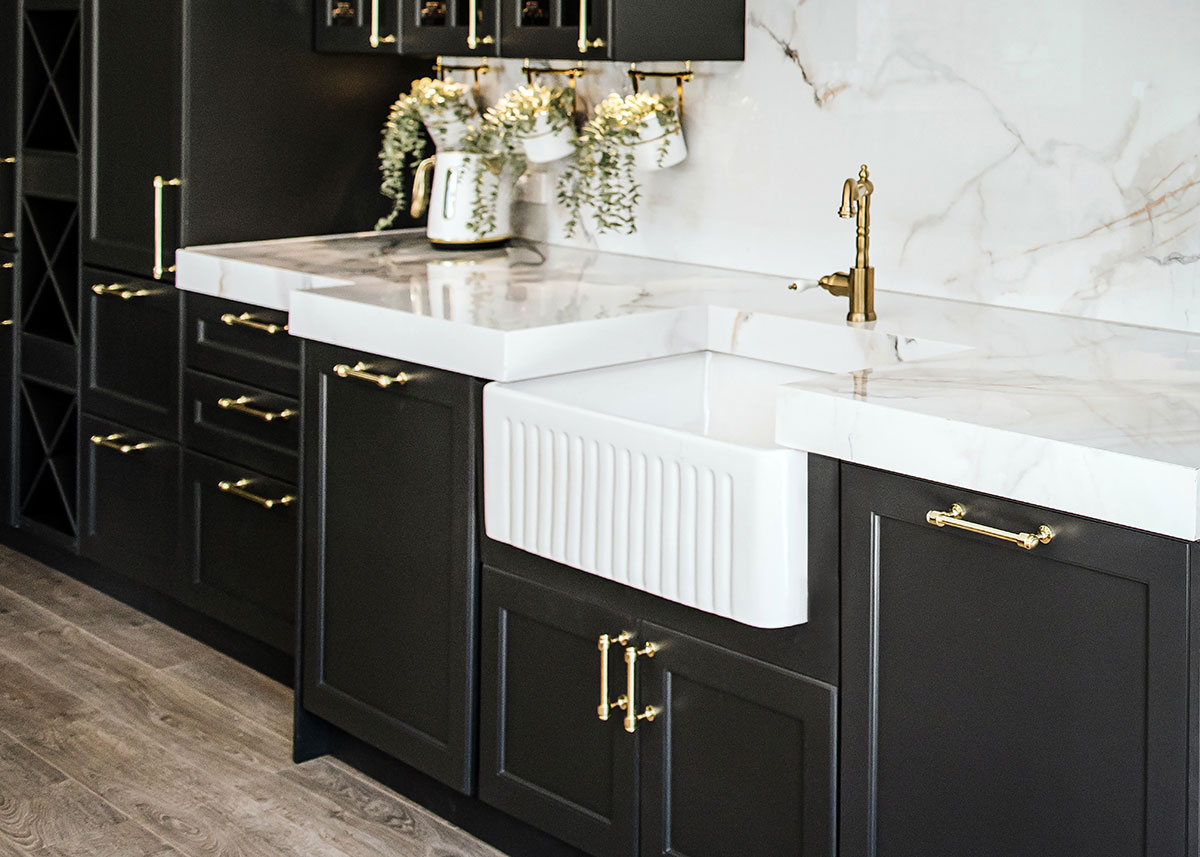
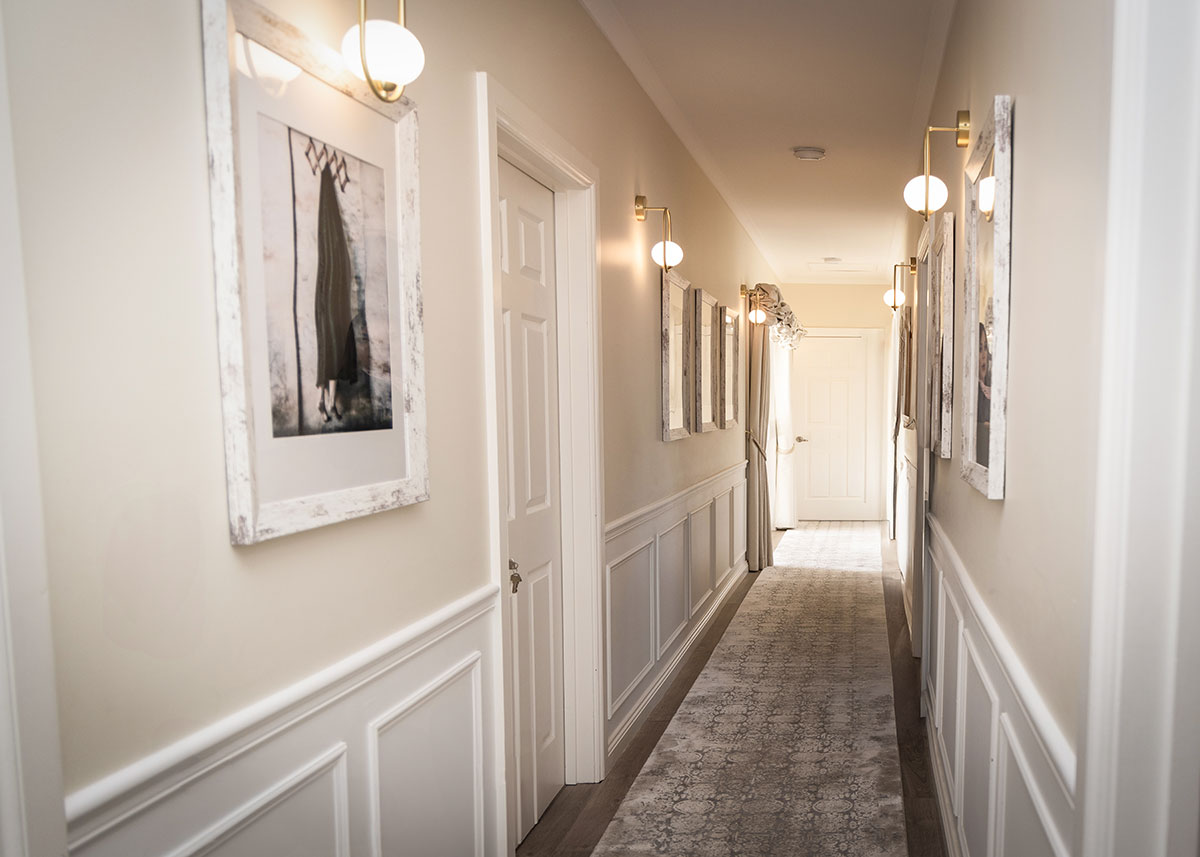
Not all beautiful materials are suitable for everyday use. High-traffic areas such as kitchens, hallways and living spaces demand finishes that can withstand wear without compromising style. Choosing materials that balance elegance with resilience ensures a space remains functional long after the initial reveal.
2. Maintenance Is Often Overlooked
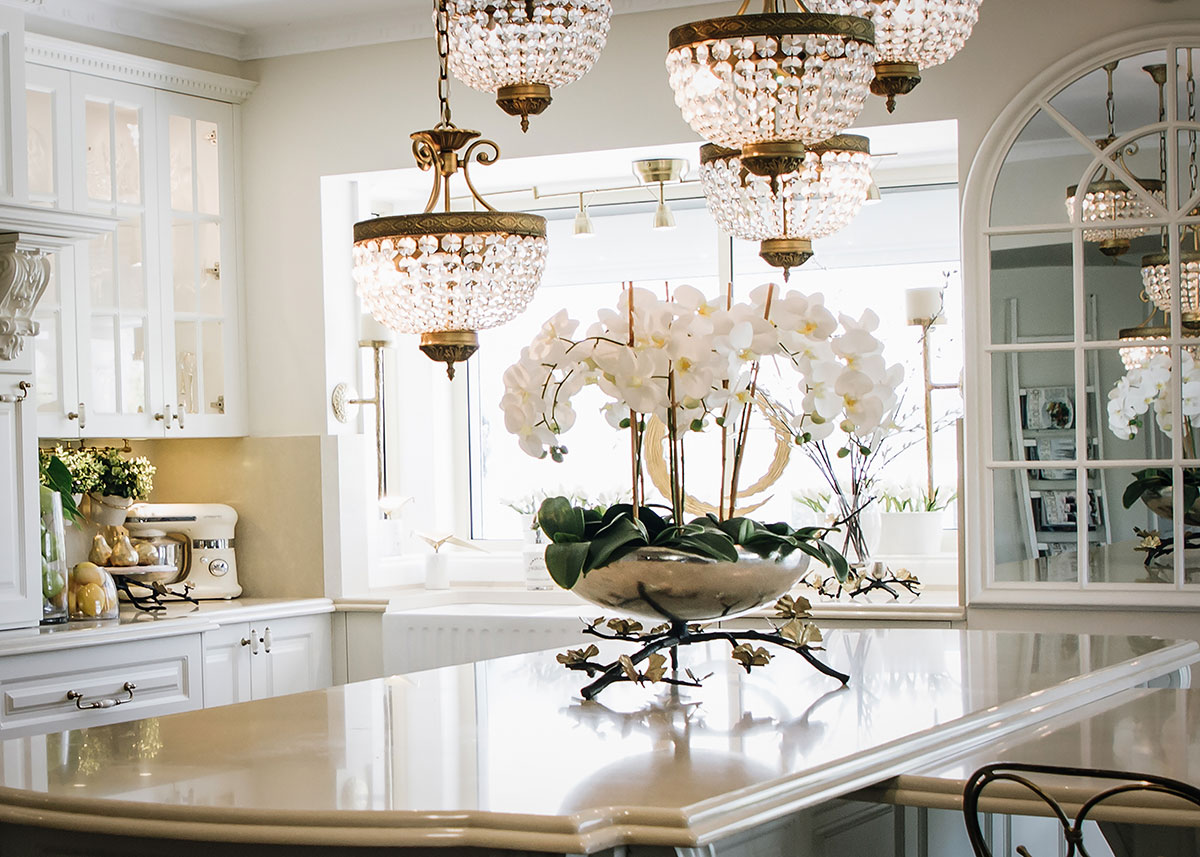
Many homeowners fall in love with finishes without understanding the upkeep they require. Porous stones, high-gloss surfaces and delicate fabrics may need frequent care to maintain their appearance. Selecting materials that align with your lifestyle whether low-maintenance or high-touch prevents frustration and protects your investment.
3. Material Choices Impact Comfort
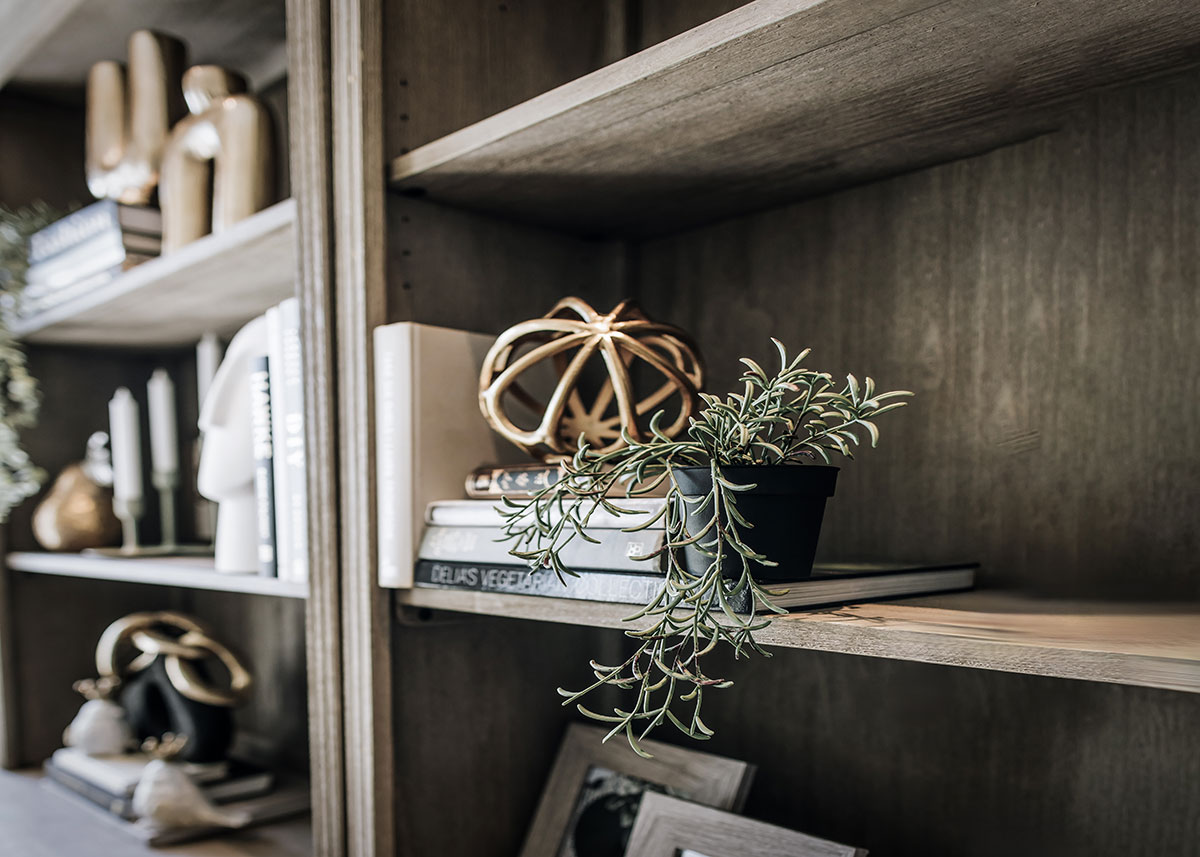
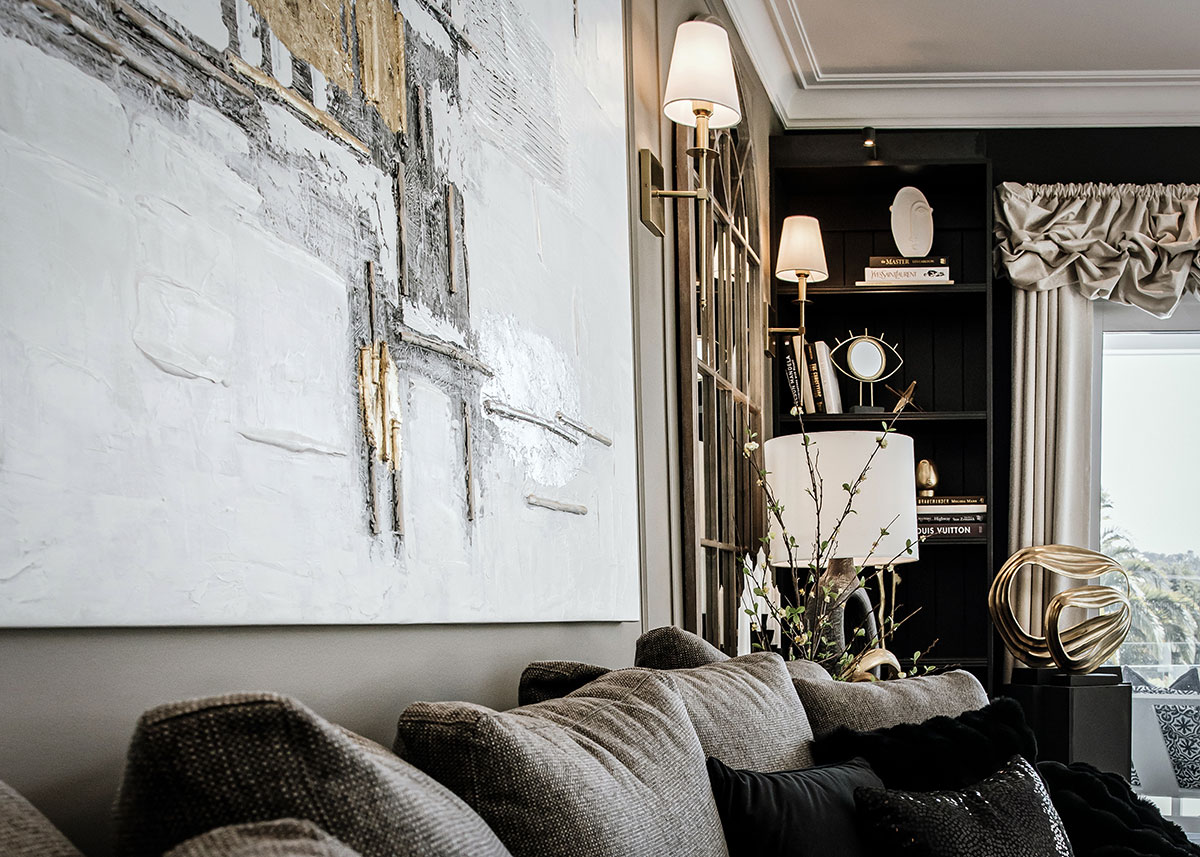
Beyond appearance, materials influence how a space feels. Hard surfaces can amplify noise, while softer finishes improve acoustics and comfort. Temperature retention, texture and tactility all affect how enjoyable a space is to live in, making material selection a key factor in overall wellbeing.
4. Longevity Affects Sustainability
Replacing worn or unsuitable materials contributes to unnecessary waste. By choosing finishes designed to age well, interiors become more sustainable over time. Quality materials reduce the need for frequent updates, supporting both environmental responsibility and long-term value.
5. Cohesion Comes from Consistency
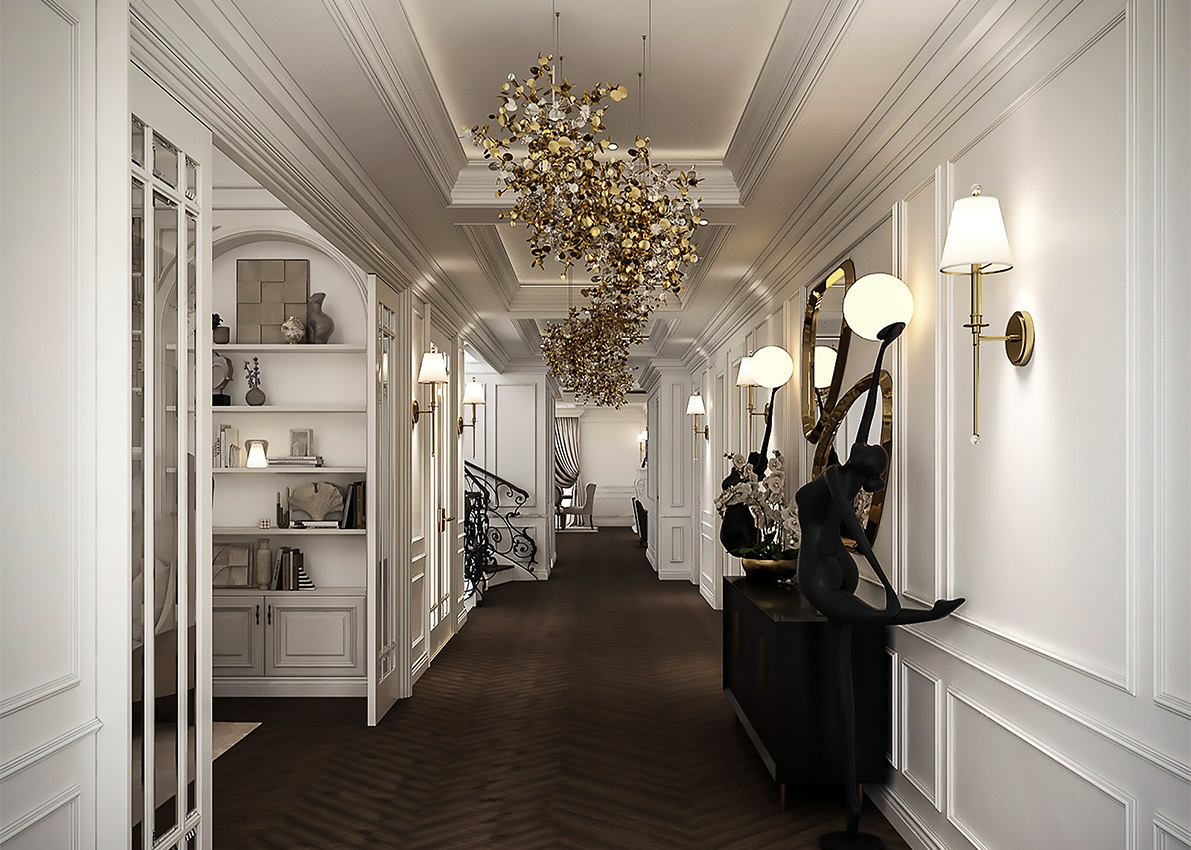
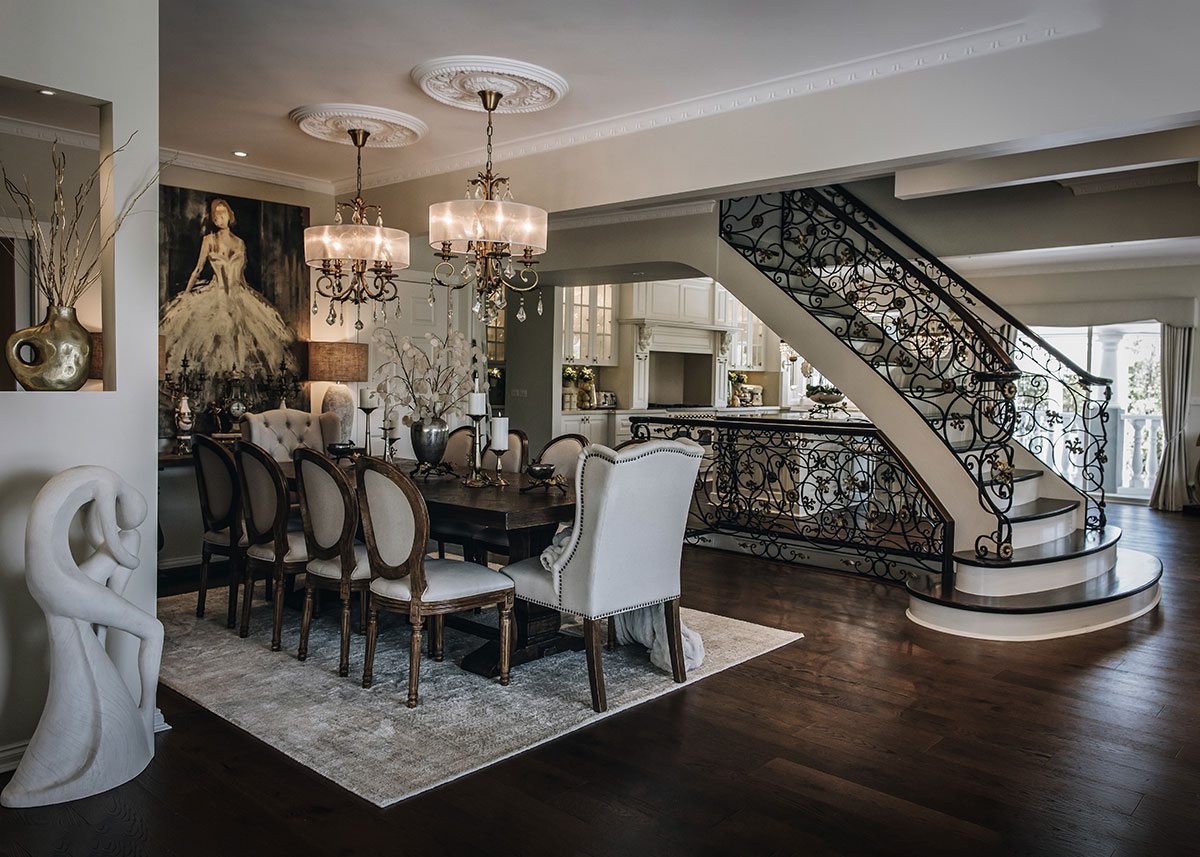
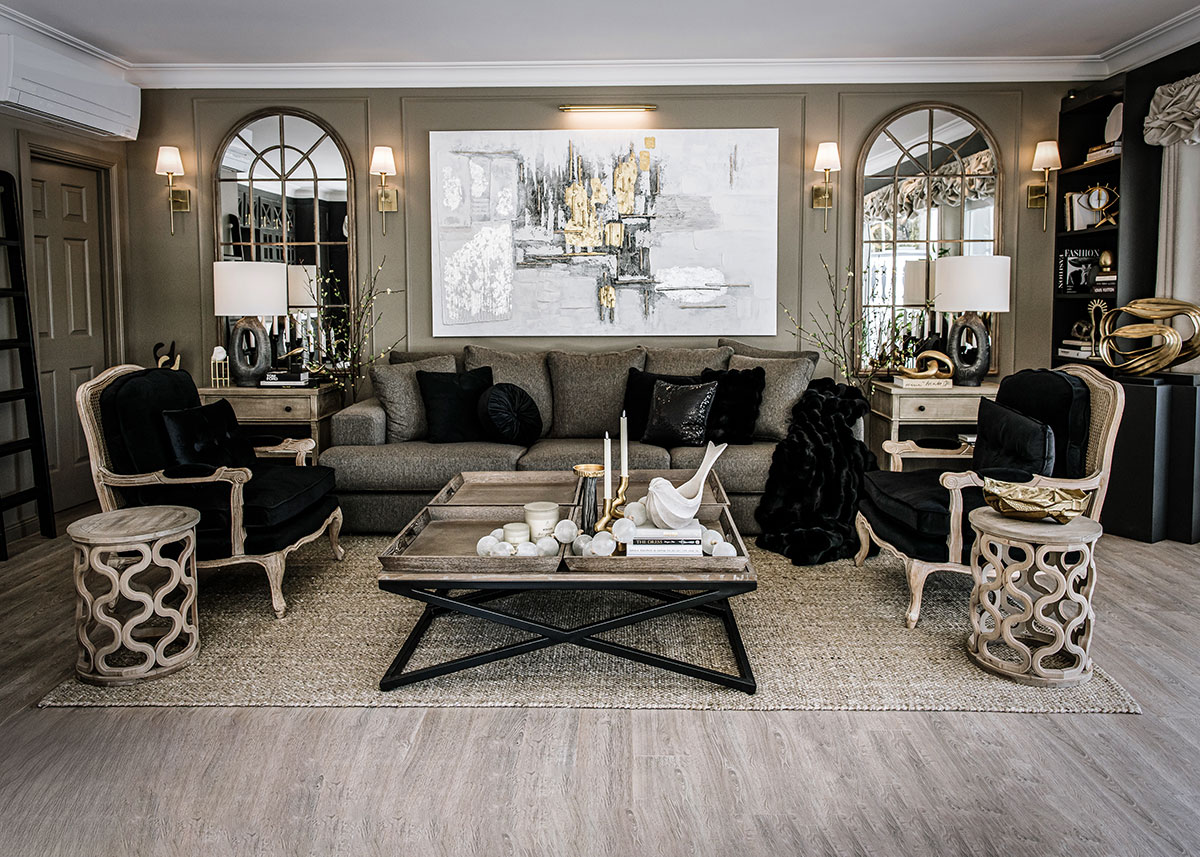
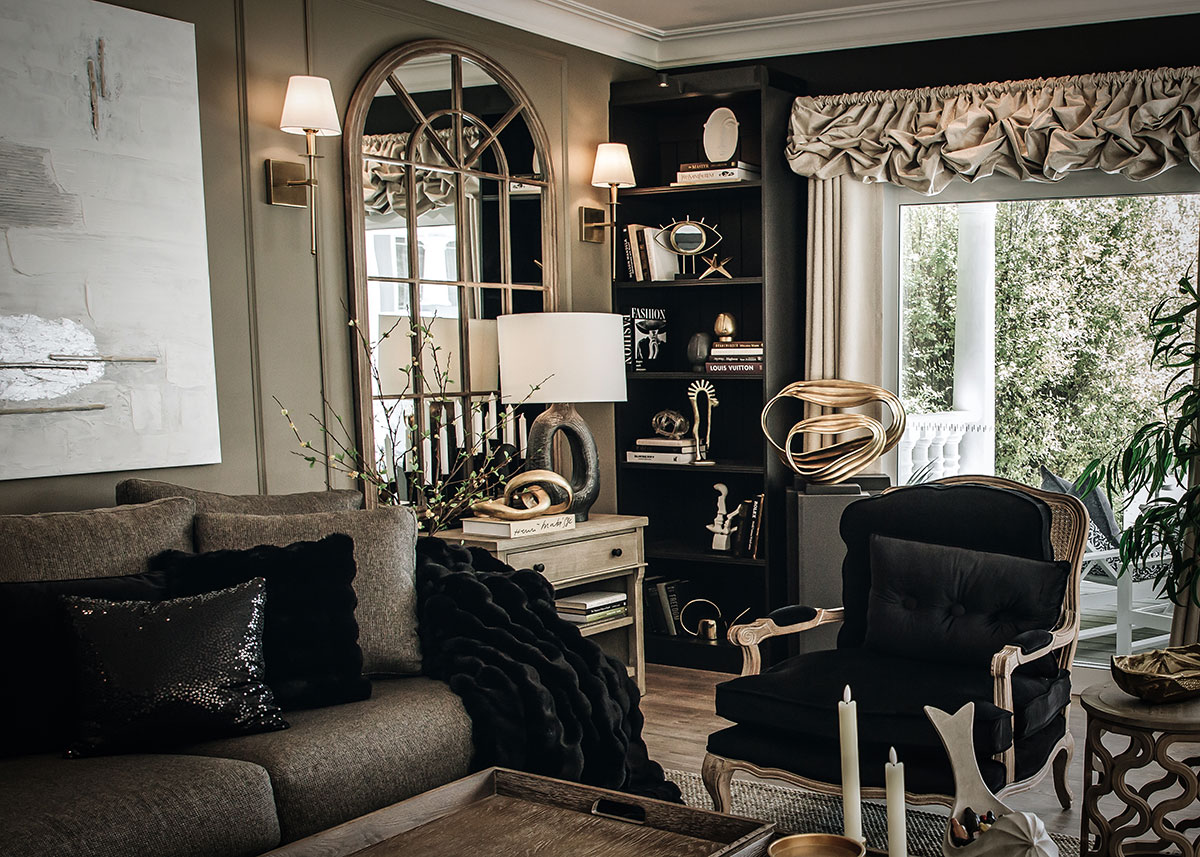
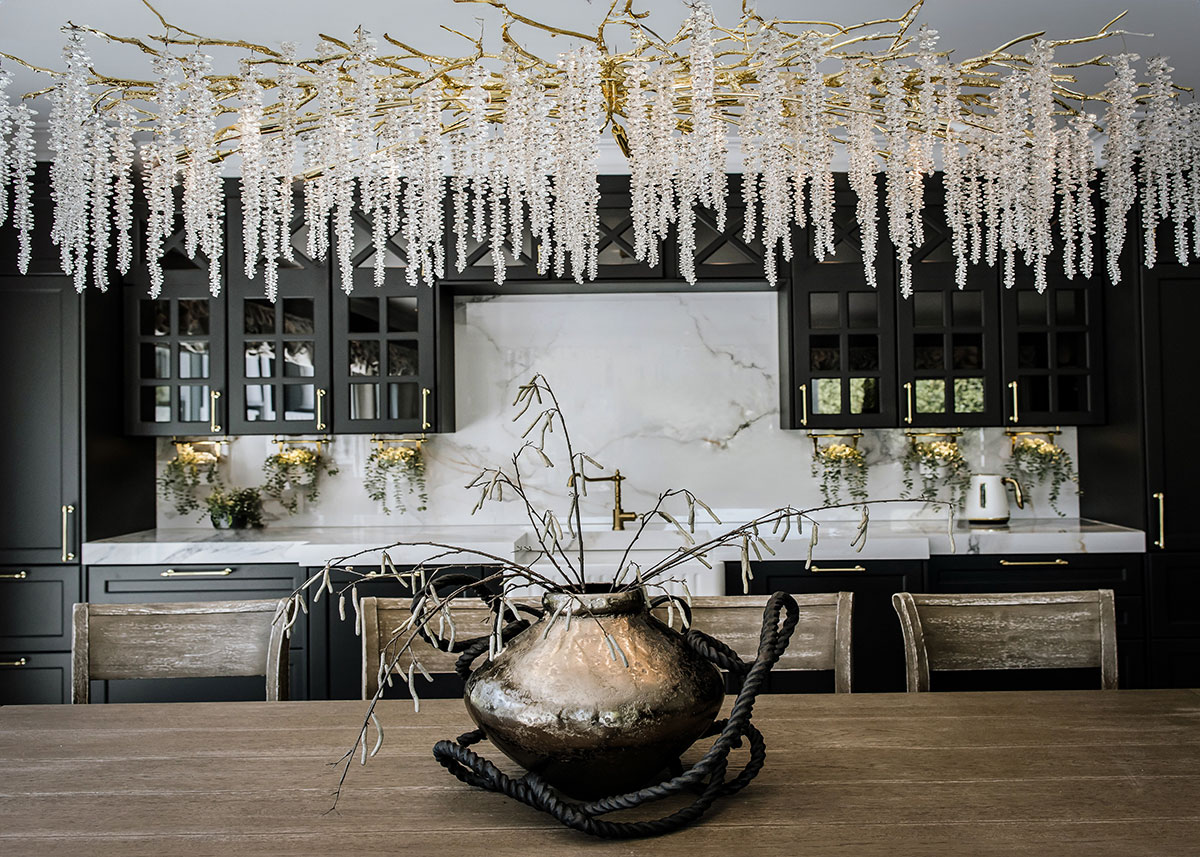
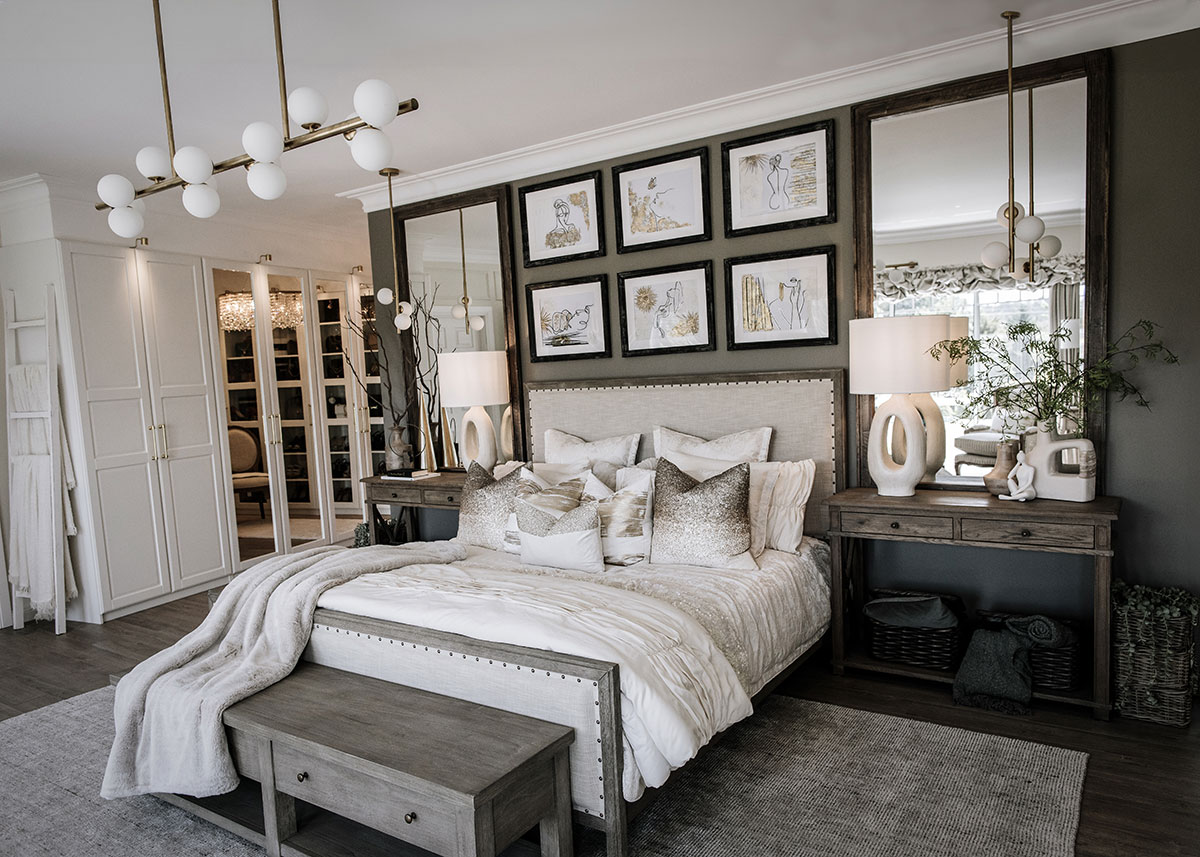
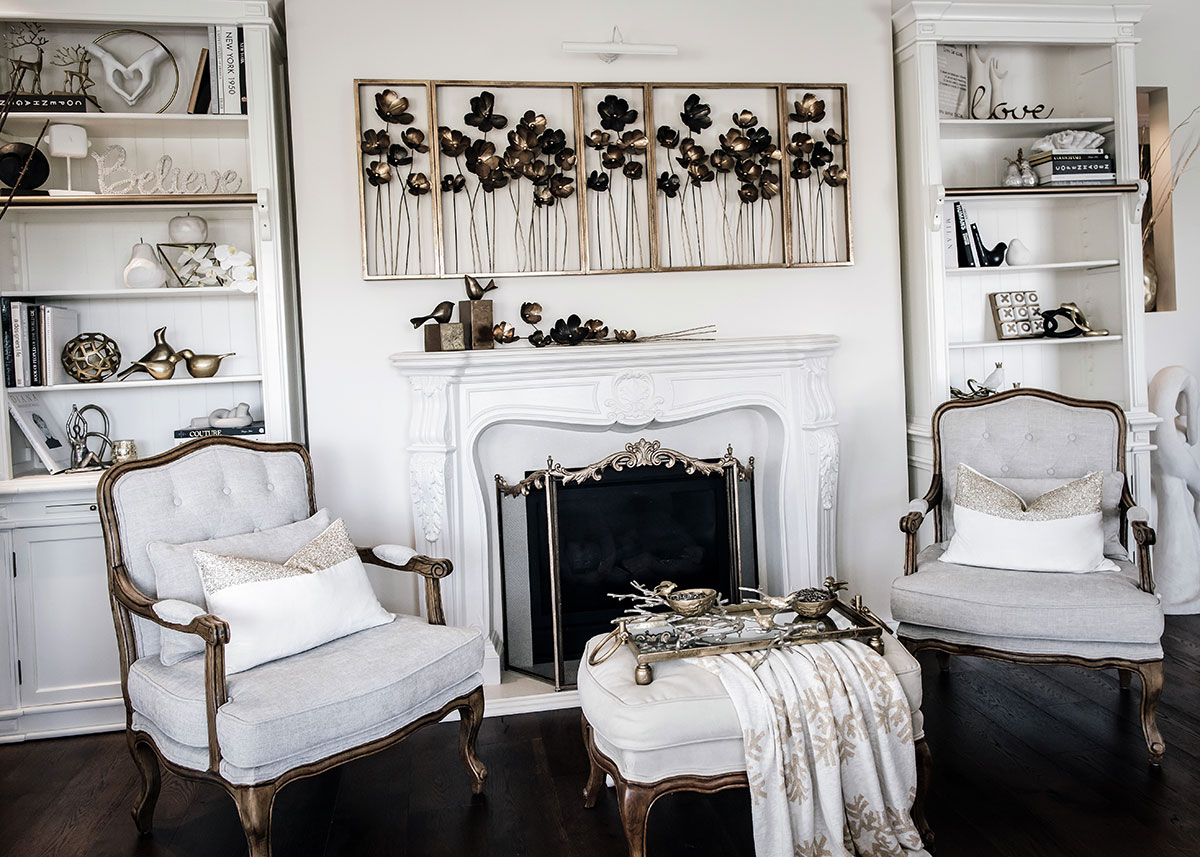
When materials are selected without a clear strategy, spaces can feel disjointed. A considered material palette ensures visual harmony throughout the home, creating continuity and refinement rather than competing finishes.
Final Thoughts
Material selection is not a secondary design decision it is foundational. When chosen thoughtfully, materials elevate both the beauty and functionality of a space, ensuring interiors perform as well as they look. Investing time and expertise into this stage of the design process protects your home, enhances daily living and ensures your interior remains timeless rather than temporary.